
Is Mullein Extract Safe? Uses, Benefits and Precautions
Introduction
Mullein (Verbascum thapsus) is a biennial plant native to Europe, Asia, and North America, known for its tall flower spikes and velvety leaves. Traditionally, it has been used for various purposes, particularly in herbal medicine. Mullein extract, derived from the leaves and flowers of the plant, has gained popularity in recent years for its potential benefits. This article will explore what mullein extract is, its key benefits and properties, common uses, applications in aromatherapy, safety considerations, and storage tips.
What Is Mullein Extract?
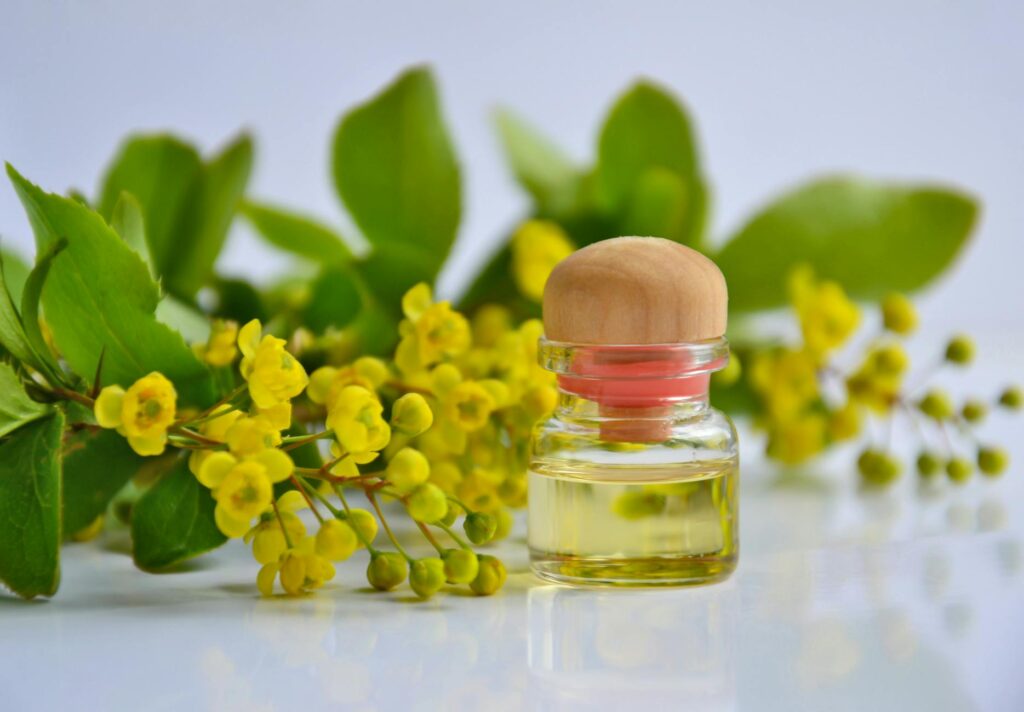
Mullein extract is created by infusing the leaves and flowers of the mullein plant in a solvent—commonly alcohol, vinegar, or oil—to draw out its beneficial compounds. The extract retains the plant’s natural properties, making it a concentrated form of its beneficial elements. Mullein is often recognized for its characteristic yellow flowers and soft, fuzzy leaves, which are rich in flavonoids, saponins, and other phytochemicals.
Key Benefits and Properties
Mullein extract is celebrated for a variety of properties, which include:
1. Anti-inflammatory: Mullein is thought to have anti-inflammatory properties that can help soothe irritated tissues.
2. Antimicrobial: Some studies suggest that mullein may possess antimicrobial properties, making it potentially effective against certain pathogens.
3. Antioxidant: The plant contains antioxidants that may help combat oxidative stress in the body.
4. Expectorant: Mullein is traditionally known for its expectorant properties, which may assist in promoting the expulsion of mucus.
5. Soothing: The extract is often used for its soothing effects, particularly for the respiratory system and skin irritations.
Common Uses
Mullein extract is utilized in a variety of applications, including:
- Respiratory Support: Traditionally, mullein has been employed to support respiratory health. It is often consumed in teas, tinctures, or capsules.
- Skin Care: Mullein extract can be found in topical formulations aimed at soothing irritated skin or minor wounds due to its anti-inflammatory properties.
- Ear Health: Some individuals use mullein oil as a natural remedy for ear discomfort, although scientific evidence on its efficacy is limited.
- Digestive Health: Mullein may also be used to support digestive health, helping to soothe gastrointestinal discomfort.
- Diffusion: Mullein extract can be added to a diffuser with complementary essential oils such as eucalyptus or peppermint to create an uplifting atmosphere.
- Inhalation: Inhaling vapors from a blend containing mullein extract may enhance its soothing properties on the respiratory system.
- Topical Blends: Mullein extract can be mixed with carrier oils for topical applications, providing a calming effect when massaged onto the chest or back.
- Cool, Dark Place: Store the extract in a cool, dark location away from direct sunlight to prevent degradation.
- Seal Properly: Ensure that the container is tightly sealed when not in use to prevent oxidation.
- Expiration Date: Check for an expiration date on commercial products. Homemade extracts typically have a shorter shelf life and should be used within a year.
- Refrigeration: While not always necessary, refrigeration can extend the shelf life of certain extracts and oils.
Aromatherapy Applications
In aromatherapy, mullein extract can be incorporated into blends aimed at promoting relaxation and respiratory wellness. While mullein is not typically used as an essential oil, its extract can be blended with other essential oils to create soothing vapors. Common practices include:
Safety Considerations
While mullein extract is generally considered safe for most individuals when used appropriately, there are some important safety considerations to keep in mind:
1. Allergic Reactions: As with any herbal product, there is a potential for allergic reactions. Individuals with known allergies to plants in the Scrophulariaceae family should exercise caution.
2. Pregnancy and Breastfeeding: Pregnant and breastfeeding individuals should consult a qualified healthcare professional before using mullein extract, as there is limited research available on its safety in these populations.
3. Interactions with Medications: Mullein may interact with certain medications, particularly those affecting the respiratory system or blood clotting. Always consult a healthcare provider if you are on medication.
4. Dosage: Proper dosage is crucial. Excessive consumption of mullein extract may lead to unwanted side effects.
5. Quality and Purity: Ensure that you source mullein extract from reputable suppliers to avoid contamination with harmful substances.
Storage and Shelf Life
To maximize the shelf life and efficacy of mullein extract, follow these storage guidelines:
Frequently Asked Questions
1. Can I use mullein extract for respiratory issues?
While mullein extract is traditionally used for respiratory support, individual responses may vary. Always consult a healthcare professional for personalized advice.
2. Is mullein extract safe for children?
Mullein extract should be used with caution in children. It is advisable to consult a healthcare provider for appropriate dosages and safety guidelines for pediatric use.
3. How can I incorporate mullein extract into my routine?
Mullein extract can be taken in various forms, including teas, tinctures, or topical applications. Always follow recommended dosages and consult a healthcare provider if unsure.
4. Can I use mullein extract topically?
Yes, mullein extract can be used in topical formulations. However, a patch test is recommended before applying it to larger areas of skin to check for any allergic reactions.
5. Are there any side effects associated with mullein extract?
Side effects are generally minimal when used appropriately. However, some individuals may experience allergic reactions or gastrointestinal discomfort. It is best to start with a small amount to assess your tolerance.
Conclusion
Mullein extract offers a range of potential benefits and applications, from respiratory support to skin care. While it is generally considered safe for most individuals, caution is advised, particularly for those with allergies, pregnant or breastfeeding individuals, and those on certain medications. As with any herbal remedy, it is essential to consult a healthcare professional for personalized guidance and recommendations. When used responsibly, mullein extract can be a valuable addition to your wellness routine.