
Is Myrrh Oil Safety Safe? Uses, Benefits and Precautions
Introduction
Myrrh oil, derived from the resin of the Commiphora myrrha tree, has been utilized for centuries in various cultures for its aromatic properties and potential health benefits. Known for its warm, earthy scent, myrrh oil is commonly used in religious rituals, traditional medicine, and modern aromatherapy. While it boasts an array of benefits, understanding the safety aspects of myrrh oil is crucial for anyone considering its use. This article will delve into the safety, uses, benefits, and precautions associated with myrrh oil.
What Is Myrrh Oil Safety?
Myrrh oil is typically considered safe for use when appropriately diluted and applied. However, like all essential oils, it can pose risks if misused. The safety of myrrh oil can depend on several factors, including an individual’s health condition, skin sensitivity, age, and the method of application. It is critical to ensure the oil is sourced from reputable suppliers to avoid contamination and ensure purity.
Before using myrrh oil, it is advisable to conduct a patch test to check for any allergic reactions. This involves applying a small diluted amount of the oil to a discreet area of skin and observing for any adverse effects over 24 hours.
Key Benefits and Properties
Myrrh oil is prized for several potential benefits, many of which can be attributed to its unique chemical composition. Some key properties include:
1. Antimicrobial: Myrrh has been traditionally recognized for its potential to inhibit the growth of certain bacteria and fungi.
2. Anti-inflammatory: It may help reduce inflammation, making it beneficial for soothing minor skin irritations and wounds.
3. Antioxidant: Myrrh oil contains compounds that may help neutralize free radicals, thereby reducing oxidative stress.
4. Astringent: This property can be advantageous for tightening and toning the skin.
5. Sedative: Its calming aroma may promote relaxation and reduce stress.
Common Uses
Myrrh oil has a diverse range of applications, including:
- Topical Application: Often used in diluted form for skin care, myrrh oil can assist with minor wounds, cuts, and skin irritations due to its antimicrobial and anti-inflammatory properties.
- Oral Health: Traditionally, myrrh has been used in mouthwashes and dental products for its potential to support oral hygiene.
- Perfumes and Fragrances: Its rich, earthy scent makes myrrh a favorite ingredient in perfumes and incense.
- Candles and Diffusers: Myrrh oil is often used in aromatherapy diffusers and scented candles to create a calming environment.
- Diffusion: Adding a few drops of myrrh oil to a diffuser can create a serene atmosphere, conducive to meditation and relaxation.
- Massage: Diluting myrrh oil in a carrier oil (such as jojoba or sweet almond oil) allows it to be used in massage therapies, promoting relaxation and alleviating tension.
- Bath: A few drops of myrrh oil can be added to bathwater for a soothing soak that may help reduce stress and enhance overall well-being.
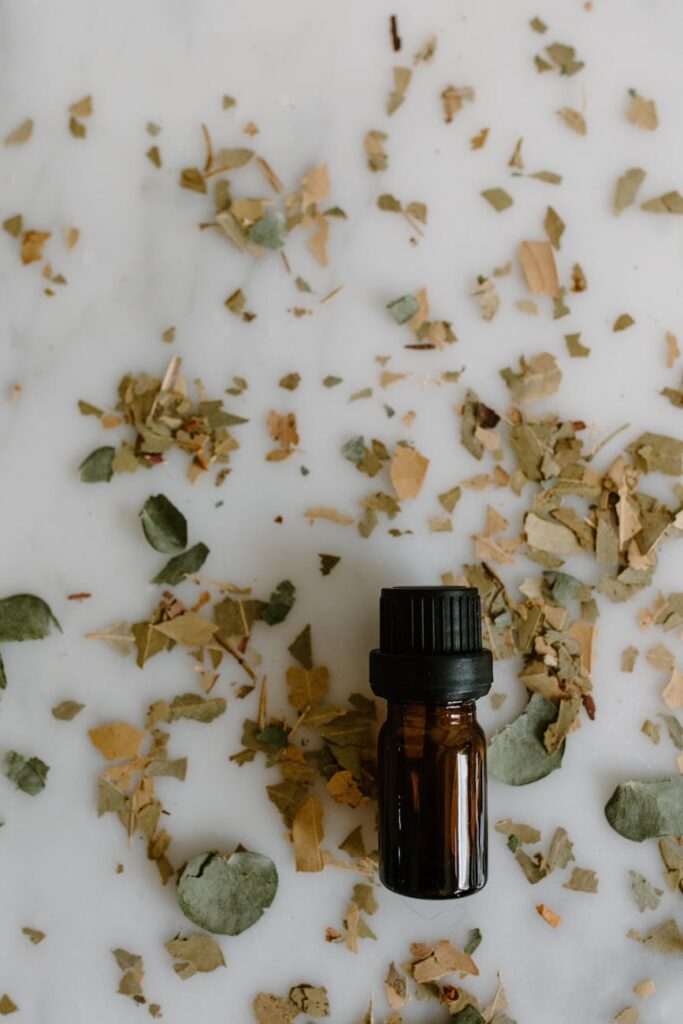
- Dark Glass Bottles: Essential oils should be stored in dark glass bottles to protect them from light, which can degrade their quality.
- Cool, Dry Place: Store myrrh oil in a cool, dry place, away from direct sunlight and heat sources.
- Shelf Life: When stored properly, myrrh oil can last for several years. However, it is advisable to check the oil for changes in color, smell, or consistency, which may indicate that it has gone bad.
Aromatherapy Applications
In aromatherapy, myrrh oil is used for its grounding and centering properties. It can be incorporated in various ways:
Safety Considerations
While myrrh oil is generally safe for most people when used appropriately, certain precautions should be observed:
1. Dilution: Myrrh oil should always be diluted with a carrier oil before topical application. A common dilution ratio is 1-2 drops of essential oil per teaspoon of carrier oil.
2. Pregnancy and Nursing: Pregnant or nursing individuals should consult a healthcare professional before using myrrh oil, as certain essential oils can influence hormonal balance or uterine contractions.
3. Children: Due to the potency of essential oils, it is advisable to keep them out of reach of children. If considering its use for children, consult a healthcare provider for guidance on safe application and dosage.
4. Allergies and Sensitivities: Individuals with allergies to plants in the Burseraceae family should exercise caution, as they may also react to myrrh oil.
5. Interactions with Medications: Myrrh oil may interact with certain medications, particularly those affecting blood clotting. Always consult with a healthcare provider if you are on medication and considering the use of myrrh oil.
6. Skin Irritation: Despite its benefits, myrrh oil can cause skin irritation in some individuals. A patch test should be performed prior to widespread use.
Storage and Shelf Life
To maintain the quality and efficacy of myrrh oil, proper storage is essential. Recommendations include:
Frequently Asked Questions
1. Can myrrh oil be ingested?
While some traditions advocate for the ingestion of myrrh oil, it is crucial to consult a healthcare professional before considering internal use. Essential oils can be potent and may cause adverse effects when ingested improperly.
2. Is myrrh oil safe for pets?
Essential oils can be harmful to pets, particularly cats and dogs. If considering the use of myrrh oil around pets, consult a veterinarian to ensure safety.
3. What should I do if I have an allergic reaction to myrrh oil?
If you suspect an allergic reaction, discontinue use immediately and wash the affected area with soap and water. If symptoms persist or worsen, seek medical attention.
4. Can I use myrrh oil in a diffuser with other essential oils?
Yes, myrrh oil can be blended with other essential oils in a diffuser to create a unique aromatic experience. Popular combinations include frankincense, lavender, and sandalwood.
5. Is myrrh oil suitable for all skin types?
While myrrh oil is generally suitable for most skin types, individuals with sensitive skin should use it cautiously and conduct a patch test before broader application.
Conclusion
Myrrh oil holds a rich historical significance and offers a variety of potential benefits and applications. By understanding its safety considerations, uses, and precautions, individuals can make informed choices about incorporating this ancient oil into their wellness routines. As with any essential oil, awareness and education are key to safe and effective use.