
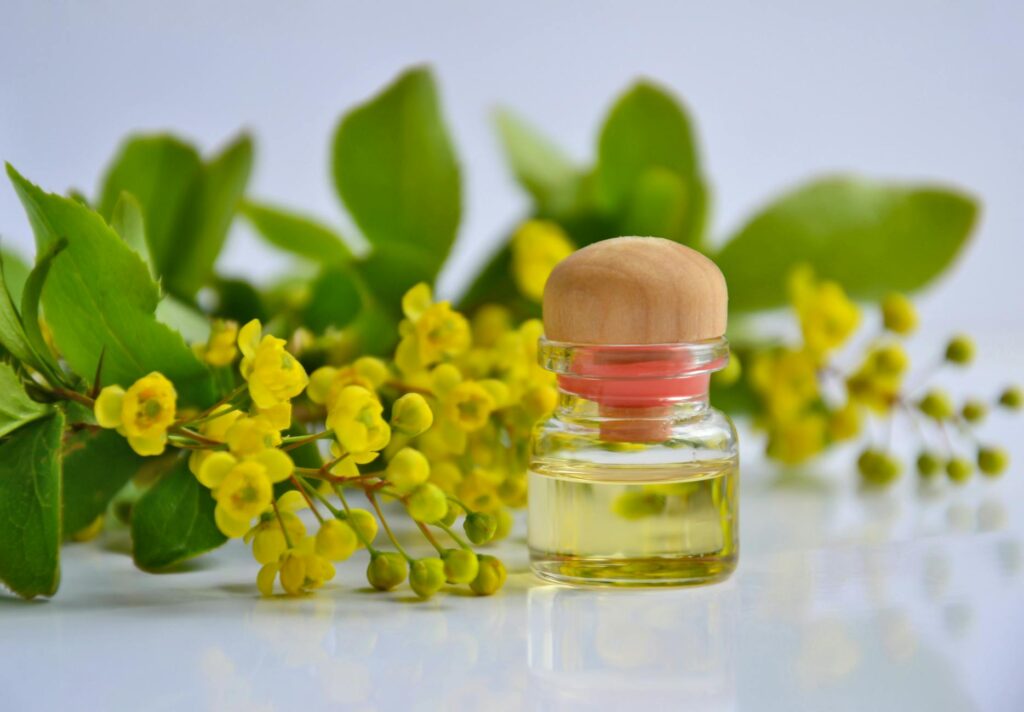
Is Native Edible Fruits Safe? Uses, Benefits, and Precautions
Introduction
Native edible fruits have long been utilized in culinary practices and traditional medicine across various cultures. These fruits, often indigenous to specific regions, are celebrated not only for their flavors but also for their nutritional and health benefits. This article will explore the characteristics of native edible fruits, their uses, benefits, safety precautions, and other essential information to help you appreciate these natural treasures.
What Is Native Edible Fruits?
Native edible fruits are those fruits that grow naturally in a specific region without human intervention. They are typically well-adapted to their local environment, exhibiting unique flavors, colors, and nutritional profiles. Examples of native edible fruits include the acai berry from the Amazon rainforest, the prickly pear from North America, and the kakadu plum native to Australia.
These fruits often play a significant role in the diets of local populations and are integral to cultural practices, rituals, and traditional medicine. Their cultivation is usually sustainable, relying on local ecosystems and biodiversity.
Key Benefits and Properties
Native edible fruits are rich in vitamins, minerals, antioxidants, and dietary fiber. Their health benefits can vary depending on the specific fruit but generally include:
1. Nutritional Value: Many native fruits are high in essential vitamins such as Vitamin C, Vitamin A, and various B vitamins. They also provide important minerals like potassium, calcium, and magnesium.
2. Antioxidant Properties: Many native fruits are abundant in antioxidants, which can help neutralize harmful free radicals in the body. This property may contribute to overall health and wellness.
3. Anti-Inflammatory Effects: Certain native fruits possess anti-inflammatory properties, which may aid in reducing the risk of chronic diseases.
4. Digestive Health: The high fiber content in many native edible fruits can promote healthy digestion and help maintain a balanced gut microbiome.
5. Hydration: Many of these fruits have high water content, aiding in hydration and overall wellness.
Common Uses
Native edible fruits have a diverse range of applications, including:
1. Culinary Uses: These fruits can be consumed fresh, dried, or cooked. They are often used in salads, desserts, smoothies, and sauces. Some native fruits may also be fermented or distilled into beverages.
2. Cultural Significance: In many indigenous cultures, native fruits hold spiritual and cultural importance. They may be used in traditional ceremonies, rituals, or as offerings.
3. Natural Colorants: Some native fruits can be used as natural dyes for textiles and foods due to their vibrant pigments.
4. Cosmetic Applications: The oils and extracts derived from certain native fruits may be used in skincare products for their moisturizing and antioxidant properties.
5. Sustainable Practices: Many native fruits are integral to sustainable agricultural practices, as they often require fewer resources than non-native species.
Aromatherapy Applications
Aromatherapy, a holistic healing practice that utilizes essential oils and natural compounds, can also benefit from the incorporation of native edible fruits. While the primary focus of aromatherapy is on essential oils, the fruit extracts and infusions from native fruits can provide unique aromatic properties.
1. Essential Oil Extraction: Certain native fruits, such as the lemon myrtle, can be distilled to produce essential oils. These oils may offer a refreshing scent and possess uplifting properties.
2. Infusions and Hydrosols: Infusing native fruits in carrier oils or creating hydrosols can yield fragrant products suitable for topical application or as room sprays.
3. Mood Enhancement: The pleasant aromas of native edible fruits can evoke positive emotions and contribute to a calming atmosphere.
4. Cultural Blends: Combining native fruit scents with other essential oils can create unique blends that reflect the cultural heritage associated with those fruits.
Safety Considerations
While native edible fruits are generally safe to consume, it is essential to consider several factors:
1. Allergic Reactions: Some individuals may be allergic to specific native fruits. It is advisable to introduce new fruits gradually and monitor for any adverse reactions.
2. Proper Identification: Ensure that the fruit is correctly identified, as some fruits may resemble toxic varieties. Consulting a knowledgeable source or expert is crucial.
3. Sourcing: It is important to source native fruits from reputable suppliers to avoid contamination with pesticides or other harmful substances.
4. Storage: Proper storage is essential to maintain the freshness and safety of native fruits. Always store them in a cool, dry place, and consume them within their shelf life.
5. Consultation: If you are pregnant, breastfeeding, or have pre-existing health conditions, consult a healthcare provider before incorporating new fruits into your diet.
Storage and Shelf Life
The shelf life of native edible fruits can vary depending on the type of fruit and how it is stored. Generally, fresh fruits should be consumed within a few days to a week for optimal taste and nutrition. Here are some guidelines for storing native fruits:
1. Fresh Fruits: Store in a cool, dry place or refrigerate to prolong freshness. Some fruits may require specific temperature conditions for optimal storage.
2. Dried Fruits: Store in airtight containers in a cool, dark place. Dried fruits can last for several months to a year, depending on the drying method used.
3. Frozen Fruits: Freezing is an effective way to preserve native fruits. Ensure they are washed, dried, and packed in airtight containers or freezer bags.
4. Extracts and Oils: Store essential oils and fruit extracts in dark glass bottles away from direct sunlight. Follow the manufacturer’s guidelines for shelf life.
Frequently Asked Questions
1. Are all native edible fruits safe to eat?
Not all native fruits are safe for consumption. Proper identification and sourcing are crucial. Some may be toxic or cause allergic reactions.
2. How can I use native edible fruits in my cooking?
Native fruits can be used in various ways, including fresh in salads, cooked in desserts, or blended into smoothies. They can also be used to create jams, jellies, or sauces.
3. Can I grow native edible fruits in my garden?
Many native fruits can be grown in home gardens, depending on your region’s climate and soil conditions. Research specific species to find those best suited to your area.
4. How do I know if a native fruit is ripe?
Ripe native fruits will typically have vibrant colors, pleasant aromas, and a slight give when gently squeezed. Research specific indicators for each type of fruit.
5. Are there any environmental benefits to consuming native edible fruits?
Yes, consuming native edible fruits supports biodiversity, promotes local agriculture, and reduces the carbon footprint associated with transporting non-native fruits.
Conclusion
Native edible fruits are not only a delightful addition to our diets but also play a vital role in cultural heritage and environmental sustainability. Understanding their uses, benefits, and safety precautions allows us to appreciate these natural gifts while making informed choices about their incorporation into our lives. Whether enjoyed fresh, dried, or as part of aromatherapy, native edible fruits offer a wealth of flavors and benefits waiting to be explored.