
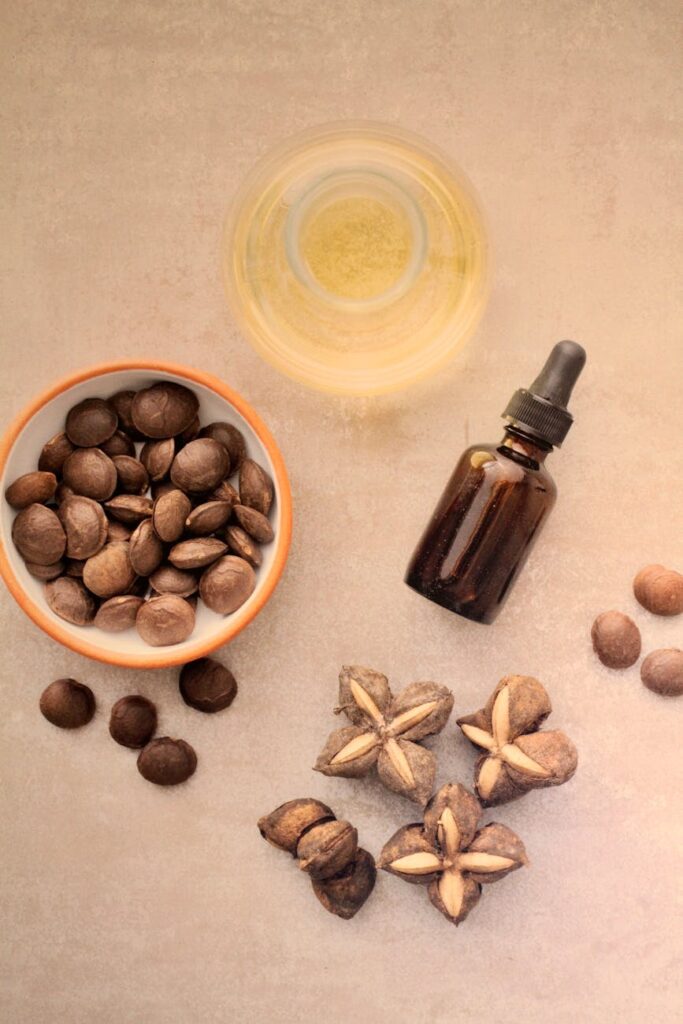
Is Native Edible Nuts Safe? Uses, Benefits and Precautions
Introduction
Native edible nuts have long been a staple in various cultures around the world, celebrated not only for their delightful flavors but also for their nutritional benefits. These nuts, which can vary from region to region, offer a diverse array of uses, particularly in culinary applications and, to some extent, in aromatherapy. This article explores the characteristics, benefits, and safety considerations associated with native edible nuts, providing a comprehensive overview for those interested in incorporating them into their diet or wellness routines.
What Is Native Edible Nuts?
Native edible nuts refer to the seeds of specific trees and plants that are indigenous to particular geographical areas. These nuts are typically harvested and consumed not only for their taste but also for their nutritional content. Common varieties include acorns, chestnuts, and hazelnuts, among others. Each type of nut has its distinct flavor profile and nutrient composition, which contribute to its popularity in both culinary and health contexts.
Examples of Native Edible Nuts
1. Acorns: Found predominantly in North America, acorns are rich in carbohydrates and can be processed into flour.
2. Chestnuts: Popular in Europe and Asia, chestnuts are low in fat and high in starchy carbohydrates.
3. Hazelnuts: Native to Europe and parts of Asia, hazelnuts are a good source of healthy fats, fiber, and vitamins.
Key Benefits and Properties
Native edible nuts are not only delicious but also boast a variety of health benefits. The nutritional profile can vary significantly depending on the type, but many share common properties.
Nutritional Content
- Healthy Fats: Many nuts are high in unsaturated fats, which are beneficial for heart health.
- Protein: Nuts are a good source of plant-based protein, making them an excellent food choice for vegetarians and vegans.
- Vitamins and Minerals: Nuts provide essential nutrients such as Vitamin E, magnesium, and potassium.
- Cool, Dry Place: Store nuts in a cool, dry place to prevent rancidity.
- Refrigeration: For long-term storage, consider refrigerating or freezing nuts to extend their shelf life.
- Airtight Containers: Use airtight containers to protect nuts from moisture and air exposure.
Antioxidant Properties
Numerous studies have highlighted the antioxidant properties of nuts, which can help combat oxidative stress in the body. Antioxidants play a crucial role in neutralizing free radicals, potentially reducing the risk of chronic diseases.
Dietary Fiber
Native edible nuts are also a rich source of dietary fiber, which supports digestive health and can contribute to a feeling of fullness, aiding in weight management.
Common Uses
The versatility of native edible nuts makes them suitable for a multitude of uses.
Culinary Applications
1. Snacking: Nuts can be consumed raw or roasted as a healthy snack option.
2. Baking: They can be incorporated into cookies, cakes, and breads for added texture and flavor.
3. Culinary Oils: Some nuts can be pressed into oils used for cooking or salad dressings.
Nutritional Supplements
Nut flours and butters are increasingly popular as gluten-free alternatives in various recipes, providing both flavor and nutrition.
Aromatherapy Applications
While primarily known for their culinary uses, certain native edible nuts find a place in aromatherapy. The essential oils extracted from certain nuts can be used for their aromatic properties.
Essential Oils
Some native nuts, such as hazelnuts, are used to produce essential oils that may be used in diffusers or as ingredients in cosmetic products. These oils can impart pleasant scents and offer a touch of the nut’s beneficial properties.
Scent Profiles
The scent profiles of nut essential oils can vary, often characterized by warm, nutty fragrances that can evoke feelings of comfort and relaxation.
Safety Considerations
While native edible nuts offer numerous benefits, it’s essential to consider safety factors before incorporating them into your diet or wellness routine.
Allergies
Nuts are among the most common food allergens. Individuals with nut allergies should exercise caution and consult with a healthcare professional before consuming any type of nut.
Quality and Purity
When purchasing nuts, it’s important to choose high-quality products. Look for nuts that are organic and free from additives to ensure you are receiving the purest form.
Preparation
Some nuts, like acorns, require specific processing methods to remove tannins and make them safe for consumption. Improper preparation can lead to digestive discomfort or toxicity.
Storage and Shelf Life
Proper storage is crucial to maintaining the freshness and nutritional quality of native edible nuts.
Storage Recommendations
Shelf Life
The shelf life of nuts can vary depending on the type and storage conditions. Generally, most nuts can last several months when stored properly, although some may retain their quality for up to a year or more in the refrigerator.
Frequently Asked Questions
Are native edible nuts safe for everyone to eat?
While most individuals can safely consume native edible nuts, those with nut allergies should avoid them. It is always wise to consult with a healthcare professional if there are concerns regarding food allergies.
Can I use native edible nuts in my cooking without special preparation?
Many nuts can be eaten raw or roasted without any special preparation. However, some varieties, such as acorns, require specific processing to remove harmful compounds.
How can I incorporate native edible nuts into my diet?
Native edible nuts can be added to a variety of dishes, including salads, granola, and baked goods, or simply enjoyed as a snack.
What is the best way to store nuts?
To maintain freshness, store nuts in an airtight container in a cool, dry place. For longer shelf life, consider refrigerating or freezing them.
Conclusion
Native edible nuts are a versatile and nutritious addition to the diet, offering a range of benefits from their rich nutrient profiles to their delightful flavors. While they can be safely enjoyed by many, it is crucial to consider allergies and proper preparation methods. Whether used in culinary applications or aromatherapy, native edible nuts present a wealth of opportunities for enhancing both health and well-being.