
Is Native Edible Seaweeds Safe? Uses, Benefits, and Precautions
Introduction
Native edible seaweeds are an integral part of various cuisines around the world, known for their unique flavors and nutritional profiles. Drawing from an array of marine environments, these seaweeds offer a plethora of benefits that extend beyond the kitchen. They are not only a source of essential nutrients but also play a crucial role in various cultural practices and traditional medicine. However, as with any natural product, it is essential to understand their properties, uses, and safety considerations. This article explores the world of native edible seaweeds, detailing their benefits, applications, and precautions.
What Is Native Edible Seaweeds?
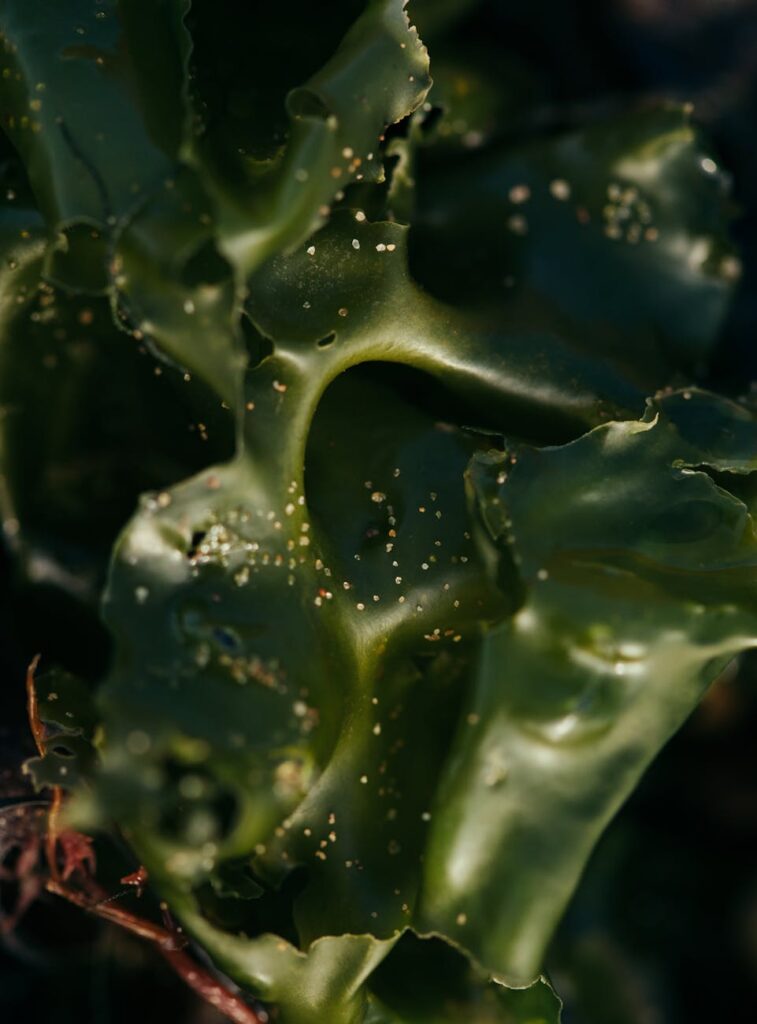
Native edible seaweeds refer to the various species of seaweed that are naturally found in coastal waters and are safe for human consumption. Common varieties include nori, dulse, wakame, and kelp. These seaweeds can be harvested from both wild and cultivated sources, with each region offering unique flavors and nutritional benefits.
Seaweeds are classified into three main groups based on their pigmentation: green seaweeds (Chlorophyta), brown seaweeds (Phaeophyceae), and red seaweeds (Rhodophyta). Each type has its own set of characteristics, including texture, taste, and nutrient composition. For instance, nori, a red seaweed, is often used in sushi rolls, while wakame, a brown seaweed, is commonly found in miso soup.
Key Benefits and Properties
Nutritional Value
Native edible seaweeds are rich in essential nutrients, making them a valuable addition to the diet. They are a good source of:
- Vitamins: Seaweeds are particularly high in vitamins A, C, E, K, and several B vitamins.
- Minerals: They are packed with minerals such as iodine, calcium, magnesium, potassium, and iron, which are vital for various bodily functions.
- Fiber: Seaweeds contain soluble and insoluble fiber, promoting digestive health and regularity.
- Antioxidants: Many seaweeds possess antioxidant properties, which can help combat oxidative stress in the body.
- Fresh: Some seaweeds can be eaten raw, adding a unique flavor and texture to salads.
- Dried: Dried seaweeds are often used in snacks, soups, and as seasoning.
- Powdered: Seaweed powder can be incorporated into smoothies, sauces, and baked goods for added nutrition.
- Facial Masks: Seaweed can help detoxify and hydrate the skin.
- Body Scrubs: The natural exfoliating properties of seaweed make it suitable for body care.
- Moisturizers: Seaweed extracts can enhance skin moisture retention.
- Moderation: Incorporate seaweeds into your diet in moderation to prevent excessive iodine intake.
- Source Wisely: Choose seaweeds that are certified organic or sourced from clean waters.
- Check Labels: For packaged seaweed products, read labels for any additives or preservatives.
- Storage: Store dried seaweeds in a cool, dry place, preferably in an airtight container to prevent moisture absorption.
- Shelf Life: When stored correctly, dried seaweeds can last for several months to a year.
- Refrigeration: Fresh seaweeds should be kept in the refrigerator and used within a few days for optimal freshness.
- Freezing: If not consumed immediately, fresh seaweeds can be blanched and frozen for longer storage.
Environmental Benefits
From an ecological perspective, native edible seaweeds contribute to marine biodiversity and environmental sustainability. They help in reducing coastal erosion, improving water quality, and providing habitat for various marine organisms. Moreover, seaweeds can absorb carbon dioxide from the atmosphere, playing a role in mitigating climate change.
Common Uses
Culinary Applications
Native edible seaweeds are celebrated for their culinary versatility. They can be used in various forms, including:
Traditional Practices
In many cultures, native edible seaweeds have been utilized for their medicinal properties. They may be employed in traditional remedies for various ailments, although it is crucial to consult with a qualified professional for any medicinal uses.
Aromatherapy Applications
While seaweeds are primarily known for their culinary and nutritional benefits, they also have applications in the field of aromatherapy. Algal extracts are often included in essential oil blends and skincare products for their nourishing properties. Seaweed-based products can promote hydration, improve skin elasticity, and provide anti-aging benefits.
Use in Skin Care
Seaweed extracts are commonly found in cosmetic formulations, such as:
Safety Considerations
While native edible seaweeds offer numerous benefits, it is essential to be aware of certain safety considerations:
Iodine Content
One of the most notable concerns regarding seaweeds is their high iodine content. While iodine is essential for thyroid function, excessive intake can lead to thyroid dysfunction. Individuals with thyroid disorders should consult a healthcare provider before incorporating seaweeds into their diet.
Heavy Metal Contamination
Seaweeds can absorb heavy metals and toxins from their environment. It is crucial to source seaweeds from reputable suppliers who adhere to safety standards. Wild-harvested seaweeds may carry a higher risk of contamination, so proper sourcing is necessary.
Allergies and Sensitivities
Some individuals may experience allergic reactions to specific types of seaweeds. It is advisable to start with small quantities to gauge tolerance, especially for those with known sensitivities to seafood or marine products.
Consumption Guidelines
To ensure safe consumption, follow these guidelines:
Storage and Shelf Life
Proper storage is essential for maintaining the quality and safety of native edible seaweeds. Here are some tips:
Dried Seaweeds
Fresh Seaweeds
Frequently Asked Questions
1. Are all seaweeds safe to eat?
Not all seaweeds are edible. It is essential to only consume species that are recognized as safe for human consumption.
2. Can seaweed help with weight loss?
While seaweeds are low in calories and high in fiber, which may support weight management, they should be part of a balanced diet for effective weight loss.
3. Is it safe to consume seaweed during pregnancy?
Pregnant individuals should consult their healthcare provider regarding the consumption of seaweed due to its iodine content and potential for heavy metal contamination.
4. How can I incorporate seaweeds into my diet?
Seaweeds can be added to salads, soups, smoothies, or used as a seasoning. Experimenting with different varieties can enhance your culinary experience.
5. Where can I purchase native edible seaweeds?
Native edible seaweeds can be found in health food stores, specialty grocery stores, and online. Look for reputable brands that ensure quality and safety.
Conclusion
Native edible seaweeds are not only a culinary delight but also a treasure trove of nutritional benefits. While they offer numerous health advantages and applications, it is imperative to approach their consumption with care, considering safety precautions and sourcing. By understanding the properties and uses of these marine plants, one can enjoy their flavors and benefits while promoting a sustainable lifestyle.