
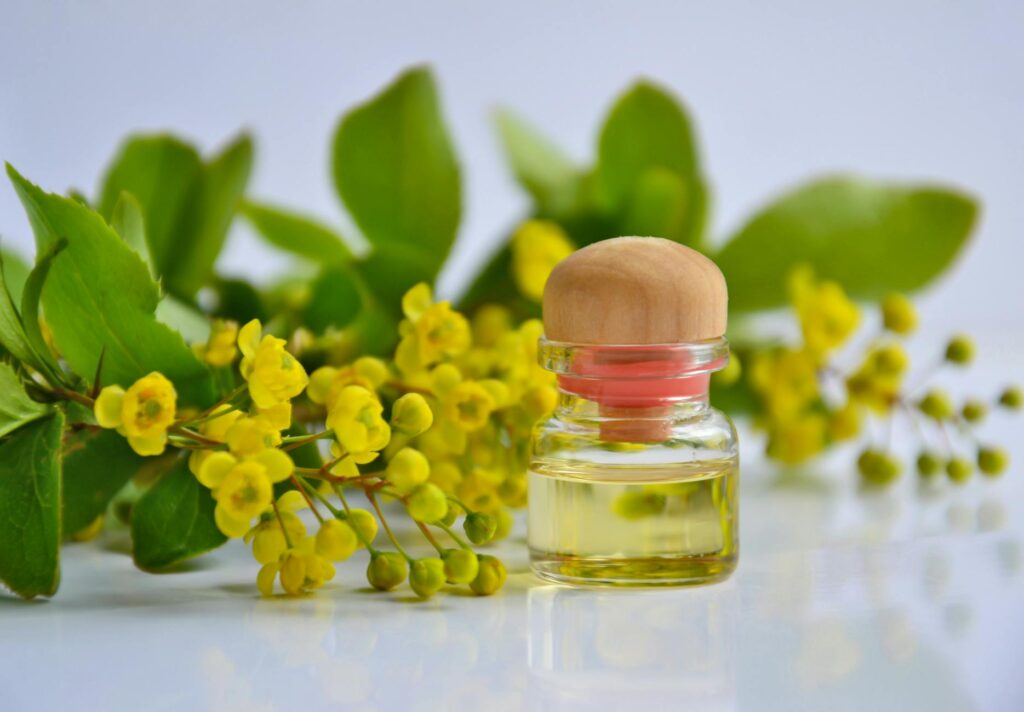
Is Native Medicinal Herbs Safe? Uses, Benefits and Precautions
Introduction
The increasing interest in natural remedies has led to a resurgence in the use of native medicinal herbs. These plants, deeply rooted in various cultural traditions, have been utilized for centuries for their therapeutic properties. While many people are drawn to the allure of herbal remedies, questions about their safety, efficacy, and proper usage often arise. This article aims to provide a comprehensive overview of native medicinal herbs, detailing their uses, benefits, precautions, and the science behind their applications.
What Is Native Medicinal Herbs?
Native medicinal herbs refer to plants that are indigenous to a specific region and have been traditionally used by local populations for healing and health maintenance. These herbs often possess unique phytochemical compounds that can contribute to their medicinal properties. The term “native” underscores the importance of local biodiversity and cultural heritage, emphasizing the relationship between people and their environment.
Medicinal herbs vary widely in their applications and effects, influenced by factors such as climate, soil composition, and local traditions. Examples include echinacea, which is native to North America, and neem, which is indigenous to the Indian subcontinent.
Key Benefits and Properties
Native medicinal herbs are lauded for their diverse range of benefits and properties. Some of the most commonly attributed benefits include:
1. Anti-inflammatory Properties
Many native herbs, such as turmeric and ginger, are known for their anti-inflammatory effects. These compounds can help alleviate symptoms associated with chronic inflammation.
2. Antioxidant Activity
Herbs like milk thistle and green tea contain high levels of antioxidants, which can combat oxidative stress and support overall health.
3. Immune Support
Herbs such as elderberry and echinacea are often cited for their potential to enhance immune function, helping the body fend off infections.
4. Digestive Health
Certain herbs like peppermint and fennel are traditionally used to promote healthy digestion and alleviate gastrointestinal discomfort.
5. Mood and Stress Relief
Herbs like chamomile and lavender are renowned for their calming effects, often used to reduce anxiety and promote relaxation.
Common Uses
Native medicinal herbs can be utilized in various forms, including:
1. Teas and Infusions
Herbal teas are a popular way to consume medicinal herbs. The steeping process extracts beneficial compounds, making them easily digestible.
2. Tinctures
Alcohol or glycerin-based tinctures concentrate the active ingredients in herbs, allowing for potent doses in smaller amounts.
3. Essential Oils
Many native herbs are distilled into essential oils, which can be used in aromatherapy or topical applications.
4. Capsules and Powders
Some herbs are ground into powders or encapsulated for convenient consumption, especially for those who may dislike the taste of herbal teas.
5. Topical Applications
Herb-infused oils or salves can be applied directly to the skin for localized effect, such as soothing inflammation or alleviating pain.
Aromatherapy Applications
Aromatherapy involves the use of essential oils extracted from native medicinal herbs. These oils are often used to enhance emotional and physical well-being. Some common applications in aromatherapy include:
1. Diffusion
Essential oils can be diffused in the air to create a calming environment. For instance, lavender oil is widely used for its relaxing properties.
2. Inhalation
Inhaling the aroma of certain herbs can provide immediate relief from stress or anxiety. Peppermint oil is often used for its invigorating scent.
3. Massage
Incorporating essential oils into massage therapy can enhance relaxation and relieve muscle tension. A blend of eucalyptus and rosemary may help invigorate the senses.
4. Bath Soaks
Adding essential oils to bath water creates a soothing experience, with chamomile and ylang-ylang being popular choices for relaxation.
Safety Considerations
While native medicinal herbs can offer numerous benefits, safety is paramount. Consider the following precautions:
1. Allergies and Sensitivities
Individuals should be aware of any personal allergies to specific herbs. Conducting a patch test before topical application can help identify potential reactions.
2. Interactions with Medications
Certain herbs may interact with prescription medications, affecting their efficacy. It is essential to consult a healthcare professional before incorporating new herbs into your routine.
3. Quality of Products
The quality of herbal products can vary significantly. Ensure that any herbs or essential oils are sourced from reputable suppliers to minimize contamination and ensure potency.
4. Dosage
Understanding the appropriate dosage is crucial. Some herbs may have toxic effects in high concentrations, while others may require larger amounts for therapeutic effects.
5. Pregnancy and Nursing
Pregnant or nursing women should exercise caution when using medicinal herbs, as some may not be safe during these periods.
Storage and Shelf Life
Proper storage of native medicinal herbs is essential for maintaining their potency and safety. Here are some guidelines:
1. Keep in a Cool, Dark Place
Store dried herbs and essential oils in a cool, dark environment to prevent degradation from heat and light.
2. Use Airtight Containers
Airtight containers can help prevent moisture and air from degrading the quality of herbs.
3. Check Expiry Dates
Pay attention to the shelf life of herbal products, as some may lose potency over time. It is advisable to check for expiration dates and discard any expired products.
Frequently Asked Questions
1. Are all native medicinal herbs safe to use?
Not all native medicinal herbs are safe for everyone. It is crucial to conduct research and consult with a healthcare provider, especially if you have existing health conditions or are taking medications.
2. How can I determine the right dosage for herbal remedies?
Determining the right dosage can vary based on the herb and individual factors. It is best to follow guidelines provided by herbalists or refer to reputable resources.
3. Can children use native medicinal herbs?
While some native herbs are safe for children, others may not be appropriate due to dosage concerns or potential side effects. Always consult a healthcare professional before administering herbal remedies to children.
4. What is the difference between herbal teas and tinctures?
Herbal teas are typically made by steeping dried herbs in hot water, while tinctures are concentrated liquid extracts made by soaking herbs in alcohol or glycerin.
5. How can I ensure the quality of the native herbs I purchase?
Opt for products from reputable suppliers who provide information about sourcing, testing for contaminants, and quality assurance.
Conclusion
Native medicinal herbs hold significant promise for enhancing health and well-being, rooted in centuries of traditional use. While their benefits are well-documented, it is essential to approach them with caution, understanding the potential risks and proper usage. By educating oneself on the properties, applications, and safety precautions surrounding these herbs, individuals can make informed choices that align with their health goals. As with any natural remedy, a balanced perspective and respect for the science behind these plants will ensure a safe and beneficial experience.