
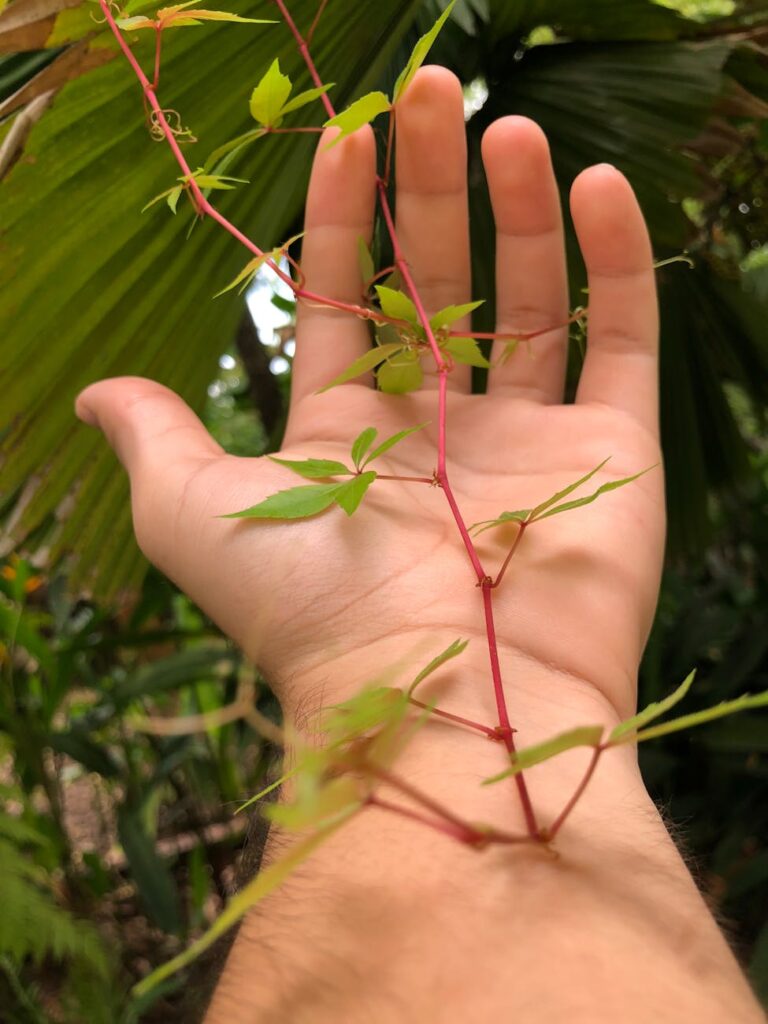
Is Native Wild Medicinal Vines Safe? Uses, Benefits, and Precautions
Introduction
The world of botany offers a wealth of natural remedies, with many plants holding significant historical and cultural importance in traditional medicine. One such group of plants is the native wild medicinal vines, which are often overlooked yet are rich in potential benefits. This article aims to explore the characteristics, uses, benefits, and safety considerations of these unique botanical wonders.
What Is Native Wild Medicinal Vines?
Native wild medicinal vines are climbing plants that grow in various ecosystems around the globe. These vines can be classified into different families and species, each possessing unique properties and uses. Commonly found in forests, grasslands, and even urban areas, these plants often adapt to their environment, making them resilient and versatile.
Some well-known examples of medicinal vines include Passiflora incarnata (Passionflower), Humulus lupulus (Hops), and Smilax spp. (Sarsaparilla). These vines have been used for centuries in various cultures, both for their medicinal properties and as a part of traditional practices.
Key Benefits and Properties
Native wild medicinal vines are celebrated for a variety of beneficial properties, which can include:
- Anti-inflammatory: Many of these vines contain compounds that may help reduce inflammation in the body, making them potentially useful for soothing conditions such as arthritis.
- Antioxidant: Some species are rich in antioxidants, which help combat oxidative stress and may contribute to overall health and wellness.
- Sedative Effects: Certain vines, such as Passionflower, are known for their calming effects and may aid in alleviating anxiety and promoting restful sleep.
- Digestive Support: Some medicinal vines, including Sarsaparilla, have been traditionally used to support digestive health and ease gastrointestinal issues.
- Hormonal Balance: Certain species have been employed in traditional medicine to support hormonal balance, particularly in women.
- Herbal Teas: Many vines can be dried and brewed into herbal teas that harness their medicinal properties. For instance, Passionflower tea is popular for its calming effects.
- Tinctures and Extracts: These vines can be processed into tinctures, which are concentrated liquid extracts that capture the beneficial properties of the plant.
- Topical Applications: Some vines may be used in ointments or creams for external application, potentially providing relief for skin conditions or inflammation.
- Culinary Uses: Certain species, like Hops, are commonly used in the brewing industry and contribute flavor and aroma to beverages.
- Essential Oil Extraction: Vines like Hops can be processed to obtain essential oils, which are then used in diffusers or topical applications for their calming and relaxing effects.
- Blending with Other Oils: Medicinal vine extracts can be blended with other essential oils to create synergistic blends that enhance their therapeutic properties. For example, combining Passionflower with lavender essential oil may enhance relaxation and stress relief.
- Aromatherapy Products: Some products incorporate these vines into candles, massage oils, and bath products, allowing users to experience their aromatic benefits in various forms.
- Consultation with Professionals: Before incorporating any new plant or extract into your wellness routine, it is advisable to consult with a qualified healthcare professional, especially if you are pregnant, nursing, or taking medications.
- Allergic Reactions: Individuals may have sensitivities or allergies to certain plants. It is crucial to perform a patch test before using any topical products containing these vines.
- Dosage Awareness: Herbal remedies can vary in potency. It is essential to adhere to recommended dosages and guidelines provided by reputable sources or professionals.
- Potential Interactions: Some native wild medicinal vines may interact with medications or other supplements. Awareness of these interactions is vital for safe use.
- Quality of Products: The quality of herbal products varies greatly. It is advisable to purchase from reputable sources that provide transparency regarding sourcing and processing methods.
- Dried Herbs: Store dried vines in airtight containers in a cool, dark place to prevent degradation from light and moisture. They can typically last for several months to a few years, depending on the species.
- Tinctures and Extracts: These should be kept in dark glass bottles and stored in a cool, dark location. When properly stored, tinctures can have a shelf life of several years.
- Essential Oils: If extracted, essential oils should be stored similarly in dark glass containers. They often have a shelf life of one to three years, depending on the oil and storage conditions.
It’s important to note that while these benefits are commonly attributed to various native wild medicinal vines, scientific research may still be ongoing to validate these claims.
Common Uses
The uses of native wild medicinal vines are diverse and can vary based on species and cultural practices. Common applications include:
Aromatherapy Applications
Aromatherapy is a holistic healing practice that utilizes the aromatic properties of essential oils and plant extracts. While not all native wild medicinal vines yield essential oils, some do have aromatic properties that can be beneficial in this context.
Safety Considerations
While native wild medicinal vines offer numerous benefits, it is essential to approach their use with caution. Here are some safety considerations:
Storage and Shelf Life
Proper storage is crucial to maintain the potency and quality of native wild medicinal vines and their extracts. Here are some guidelines:
Regularly check for signs of spoilage, such as changes in color, odor, or consistency, and discard any products that appear compromised.
Frequently Asked Questions
1. Can I use native wild medicinal vines during pregnancy?
While some vines may be safe, others may not be suitable during pregnancy. It is crucial to consult a healthcare professional before using any herbal remedies during this time.
2. Are there any known side effects associated with native wild medicinal vines?
Side effects can vary based on the specific vine and individual sensitivities. Common side effects may include allergic reactions, gastrointestinal upset, or drowsiness. Always consult a healthcare provider for personalized advice.
3. How do I know if a medicinal vine is safe to use?
Research the specific species you are interested in, consult with herbalists or healthcare professionals, and consider any existing health conditions or medications.
4. Can I grow native wild medicinal vines in my garden?
Many native wild medicinal vines can be cultivated in home gardens, depending on your climate and soil conditions. Research specific species to determine their growing requirements and suitability for your region.
5. Are there any legal restrictions on harvesting wild medicinal vines?
Regulations regarding the harvesting of wild plants vary by location. Ensure you are aware of local laws and guidelines to promote sustainable and responsible harvesting practices.
Conclusion
Native wild medicinal vines represent a fascinating and often underappreciated aspect of our natural world. With their diverse benefits and applications, these plants have much to offer. However, it is essential to approach their use with knowledge and caution. By understanding their properties, uses, and safety considerations, individuals can responsibly explore the potential of these remarkable botanical allies. Always prioritize informed choices and consult with experts when delving into the world of herbal remedies.