
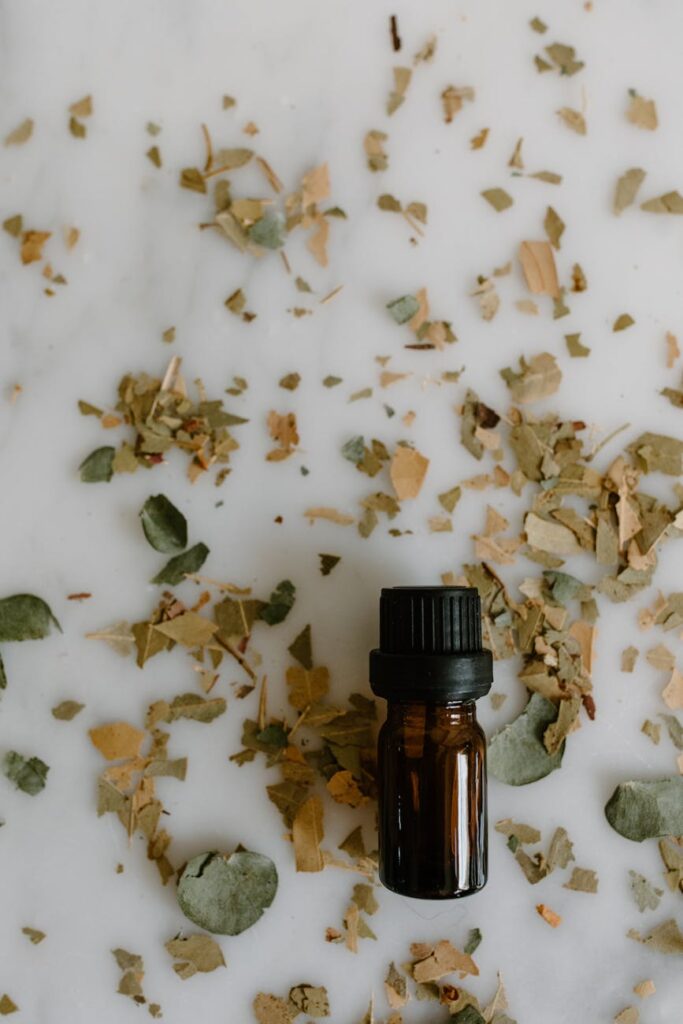
Is Neroli Essential Oil Safe? Uses, Benefits, and Precautions
Introduction
Neroli essential oil, derived from the flowers of the bitter orange tree (Citrus aurantium), has been cherished for centuries for its uplifting aroma and numerous beneficial properties. This oil is not only a staple in the world of aromatherapy but also in cosmetics and perfumery. As interest in natural remedies continues to grow, understanding the safety, uses, and benefits of neroli essential oil becomes increasingly important. This article aims to provide a comprehensive overview of neroli essential oil while addressing its safety considerations.
What Is Neroli Essential Oil?
Neroli essential oil is extracted through steam distillation from the fresh blossoms of the bitter orange tree. The process captures the delicate floral scent and potent compounds that contribute to its therapeutic qualities. The oil is pale yellow to orange in color and possesses a sweet, citrusy, and somewhat spicy aroma. Renowned for its versatility, neroli has become a popular choice in various applications, from skincare to stress relief.
Key Benefits and Properties
Neroli essential oil is celebrated for a range of properties that make it beneficial in both personal wellness and cosmetic applications:
1. Antidepressant and Mood-Lifting
Neroli is widely recognized for its ability to uplift moods and alleviate feelings of anxiety and depression. Its sweet, floral fragrance is thought to promote relaxation and emotional balance.
2. Antiseptic Properties
The oil has natural antiseptic qualities, making it beneficial for minor cuts, wounds, and skin irritations. Its use in skincare products is often aimed at promoting healing and preventing infections.
3. Skin Regeneration
Neroli is known for its skin-regenerating properties. It can help improve the appearance of scars, stretch marks, and other skin imperfections, making it a popular ingredient in serums and moisturizers.
4. Anti-inflammatory Effects
Neroli may help to reduce inflammation, which can be beneficial for conditions such as acne or eczema. Its soothing properties can calm irritated skin and promote overall skin health.
5. Digestive Aid
While not as widely discussed, neroli essential oil is sometimes noted for its potential benefits in aiding digestion, though more research is necessary to fully understand this aspect.
Common Uses
Neroli essential oil can be incorporated into various practices and products, including:
1. Aromatherapy
Inhalation of neroli oil can create a calming environment, making it a popular choice for diffusers and personal inhalers.
2. Skincare Products
Neroli is frequently used in creams, lotions, and serums due to its skin-regenerating and moisturizing properties.
3. Massage Oil
When diluted with a carrier oil, neroli can be used in massages to promote relaxation and alleviate stress.
4. Perfumes and Fragrances
Its unique scent profile makes neroli a favored ingredient in high-end perfumes and fragrances.
5. Bath Products
Adding neroli to bath oils or salts can enhance the bathing experience, providing both aromatic pleasure and skin benefits.
Aromatherapy Applications
Aromatherapy utilizes essential oils to enhance physical and emotional well-being. Neroli essential oil can be applied through several methods:
1. Diffusion
Using a diffuser, neroli oil can fill a room with its soothing aroma, promoting relaxation and stress relief.
2. Inhalation
Direct inhalation from the bottle or by placing a few drops on a cotton ball can provide immediate calming effects.
3. Topical Application
When diluted with a carrier oil, neroli can be applied to pulse points or areas of tension to promote emotional balance and relaxation.
4. Bathing
Adding a few drops of neroli oil to bathwater can create a luxurious and relaxing experience, benefiting both the mind and skin.
Safety Considerations
While neroli essential oil is considered safe for most individuals when used appropriately, certain precautions should be taken:
1. Dilution
Essential oils should always be diluted with a carrier oil before topical application to avoid skin irritation. A common dilution ratio is 2-3 drops of essential oil per teaspoon of carrier oil.
2. Patch Test
Before using neroli oil on larger skin areas, conducting a patch test is advisable. Apply a diluted drop to a small area of skin and wait 24 hours to check for any adverse reactions.
3. Pregnancy and Nursing
Pregnant or breastfeeding individuals should consult with a healthcare professional before using neroli essential oil, as its effects during these stages are not fully understood.
4. Allergies
Individuals with known allergies to citrus fruits may be more likely to react negatively to neroli. Caution should be exercised in such cases.
5. Interactions with Medications
While neroli is generally safe, individuals taking medications or with pre-existing health conditions should consult a healthcare professional for potential interactions.
Storage and Shelf Life
To maintain the quality and efficacy of neroli essential oil, proper storage is essential:
1. Dark Glass Bottles
Store neroli oil in dark glass containers to protect it from light, which can degrade the oil over time.
2. Cool, Dry Place
Keep the oil in a cool, dry location, away from direct sunlight and heat sources.
3. Shelf Life
When stored properly, neroli essential oil can last for 1-2 years. However, always check for changes in scent, color, or consistency before use, as these may indicate degradation.
Frequently Asked Questions
1. Is neroli essential oil safe for children?
Neroli oil can be safe for children when used appropriately, but it is advisable to consult a healthcare professional for guidance on dilution ratios and application methods.
2. Can neroli oil be ingested?
Ingesting essential oils is not recommended without professional guidance, as it can lead to adverse effects.
3. What is the difference between neroli oil and orange oil?
Neroli oil is derived from the blossoms of the bitter orange tree, while orange oil is extracted from the fruit’s peel. They have distinct scents and properties.
4. Can neroli essential oil help with sleep?
Due to its calming properties, neroli oil may help promote relaxation and improve sleep quality when used in aromatherapy.
5. Is neroli essential oil vegan?
Yes, neroli essential oil is considered vegan, as it is derived from plant sources without any animal products.
Conclusion
Neroli essential oil is a remarkable natural product with a rich history and a wide range of applications. Its uplifting aroma and therapeutic properties make it a valuable addition to aromatherapy and skincare routines. While generally considered safe, proper precautions should be taken to ensure its effective use. By understanding both its benefits and safety considerations, individuals can incorporate neroli essential oil into their wellness practices thoughtfully and responsibly.