
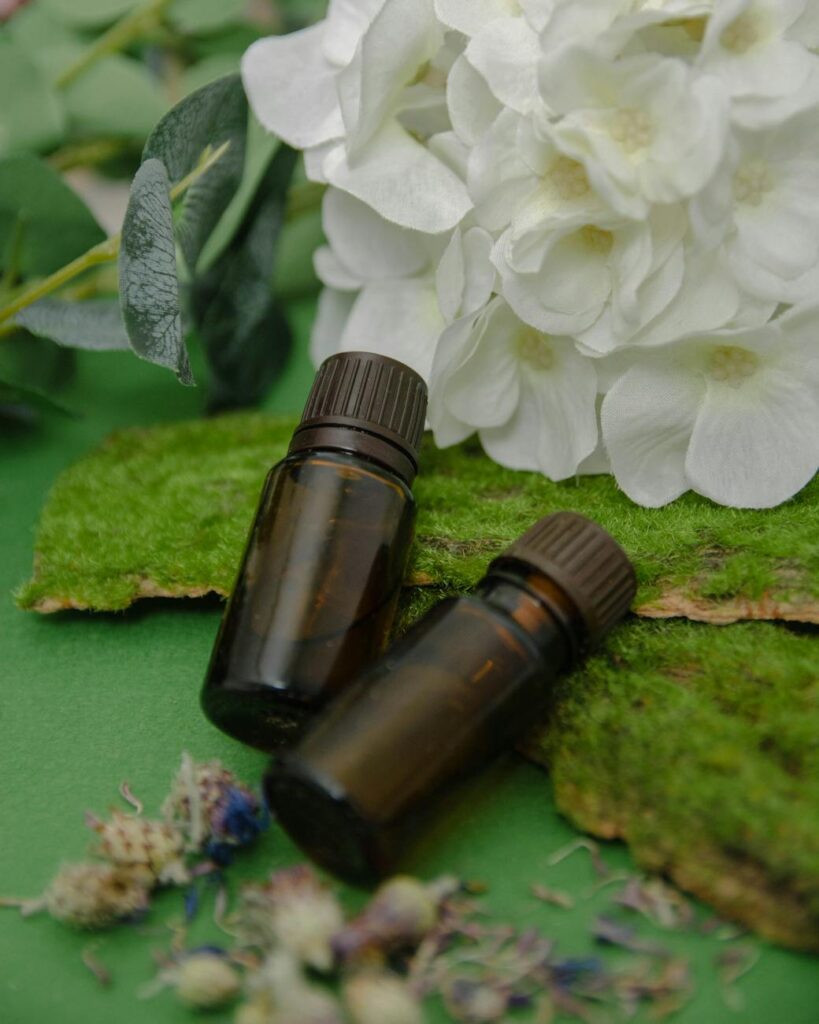
Is Neroli Hydrosol Safe? Uses, Benefits and Precautions
Introduction
Neroli hydrosol, a byproduct of the steam distillation of bitter orange blossoms (Citrus aurantium), has garnered attention for its delicate fragrance and numerous potential applications. As a gentler alternative to essential oils, hydrosols are often favored in various settings, including skincare, aromatherapy, and household uses. This article aims to explore the characteristics, benefits, and safety considerations of neroli hydrosol, providing an informed overview for enthusiasts and practitioners alike.
What Is Neroli Hydrosol?
Neroli hydrosol is produced during the steam distillation process of the blossoms of the bitter orange tree. Unlike essential oils, which contain concentrated volatile compounds, hydrosols possess a more diluted concentration, making them suitable for a wider range of applications. The resulting liquid is a fragrant water that retains some of the properties of the original plant material, but in a gentler form.
Hydrosols have been used for centuries in various cultures for their aromatic and therapeutic benefits. Neroli hydrosol, in particular, is renowned for its sweet, floral scent and is often associated with feelings of calm and relaxation.
Key Benefits and Properties
Neroli hydrosol is celebrated not only for its fragrance but also for several beneficial properties:
1. Calming Effects: The soothing nature of neroli hydrosol can help ease stress and anxiety, promoting a sense of tranquility.
2. Skin Care: Recognized for its astringent properties, neroli hydrosol can support skin health. It may help balance oil production, making it suitable for various skin types, including oily and combination skin.
3. Antimicrobial Properties: Some studies suggest that neroli hydrosol may exhibit antimicrobial qualities, which can be beneficial in cleansing and toning the skin.
4. Mood Enhancer: The uplifting scent of neroli can have mood-enhancing effects, making it a popular choice for use in aromatherapy.
5. Digestive Support: While further research is needed, some anecdotal evidence suggests that neroli hydrosol may aid digestion when used as a flavoring or in culinary applications.
Common Uses
Neroli hydrosol can be incorporated into various practices and applications, including:
1. Facial Toner: Due to its astringent properties, neroli hydrosol can be used as a natural facial toner. It may help to tighten pores and refresh the skin.
2. Body Mist: The refreshing scent makes it an excellent choice for a body mist, providing a light fragrance while simultaneously hydrating the skin.
3. Bath Additive: Adding neroli hydrosol to bathwater can create a relaxing atmosphere, enhancing the overall bathing experience.
4. Room Spray: Its pleasant aroma makes it a popular ingredient in DIY room sprays, contributing to a calming environment.
5. Hair Care: Neroli hydrosol can be used as a hair mist to help soothe the scalp and add a subtle fragrance to hair.
Aromatherapy Applications
In the realm of aromatherapy, neroli hydrosol can be utilized in several ways:
1. Diffusion: It can be added to diffusers for an aromatic experience that may promote relaxation and reduce stress.
2. Inhalation: Inhaling the scent of neroli hydrosol directly from the bottle or a cotton ball can provide immediate calming effects.
3. Massage: When diluted properly, neroli hydrosol can be incorporated into massage oils, providing both aromatic and skin benefits.
4. Meditation and Mindfulness: The calming scent of neroli can enhance meditation practices, allowing individuals to focus and center their thoughts.
Safety Considerations
While neroli hydrosol is generally considered safe for most individuals, it is essential to observe specific precautions:
1. Skin Sensitivity: Although hydrosols are milder than essential oils, it is advisable to perform a patch test before applying it topically, especially for those with sensitive skin. Apply a small amount to a discreet area and wait for 24 hours to check for any adverse reactions.
2. Pregnancy and Nursing: While neroli is often deemed safe, pregnant or nursing individuals should consult a healthcare professional before using any hydrosols.
3. Allergies: Individuals with known allergies to citrus fruits should exercise caution, as neroli is derived from the bitter orange tree.
4. Dilution: While neroli hydrosol is typically used in its diluted form, it is essential to ensure that any other ingredients mixed with it are also safe for intended use.
5. Children: Although generally safe, it is wise to use neroli hydrosol cautiously with children. Consultation with a pediatrician or aromatherapy expert is recommended for appropriate usage.
Storage and Shelf Life
Proper storage is critical to ensure the longevity and efficacy of neroli hydrosol.
1. Storage Conditions: Store neroli hydrosol in a cool, dark place, away from direct sunlight and heat sources. This helps to preserve its aromatic and therapeutic qualities.
2. Container: Ideally, keep it in a dark glass bottle to minimize light exposure.
3. Shelf Life: Generally, neroli hydrosol has a shelf life of about 1 to 3 years, depending on the storage conditions and quality of the product. Always check for any changes in scent or appearance before use.
Frequently Asked Questions
1. Can neroli hydrosol be used for cooking?
While some people use neroli hydrosol in culinary applications, it is essential to ensure that the product is food-grade and safe for consumption. Always check with a supplier about the suitability for culinary use.
2. How does neroli hydrosol differ from neroli essential oil?
Neroli hydrosol is a diluted, water-based product that is gentler than the concentrated essential oil. While both share some properties, hydrosols are generally safer for direct skin application and have a lighter scent.
3. Is neroli hydrosol suitable for all skin types?
Neroli hydrosol is often suitable for various skin types, including oily and sensitive skin. However, individual reactions may vary, so a patch test is recommended.
4. Can I mix neroli hydrosol with other essential oils or hydrosols?
Yes, neroli hydrosol can be blended with other hydrosols or essential oils, but it is advisable to research compatibility and dilution ratios to ensure safety and efficacy.
5. Where can I purchase neroli hydrosol?
Neroli hydrosol can be found at health stores, specialty shops, and online retailers that focus on aromatherapy and natural products. Be sure to choose high-quality, organic sources whenever possible.
Conclusion
Neroli hydrosol offers a myriad of benefits and versatile applications, making it a valuable addition to any wellness or beauty routine. By understanding its properties, uses, and safety considerations, individuals can confidently explore the enchanting world of neroli hydrosol. Whether for skincare, aromatherapy, or simply to enjoy its delightful fragrance, neroli hydrosol stands out as a gentle yet potent botanical ally in everyday life.