
Is Nettle Leaf Extract Safe? Uses, Benefits, and Precautions
Introduction
Nettle leaf extract has garnered attention in recent years for its diverse applications in herbal medicine and wellness practices. With a rich history of use in traditional remedies, nettle leaf—derived from the Urtica dioica plant—offers a variety of benefits attributed to its nutritional profile and phytochemical constituents. This article explores the properties, uses, safety considerations, and other relevant aspects of nettle leaf extract, providing a comprehensive guide for those interested in incorporating it into their wellness regimen.
What Is Nettle Leaf Extract?
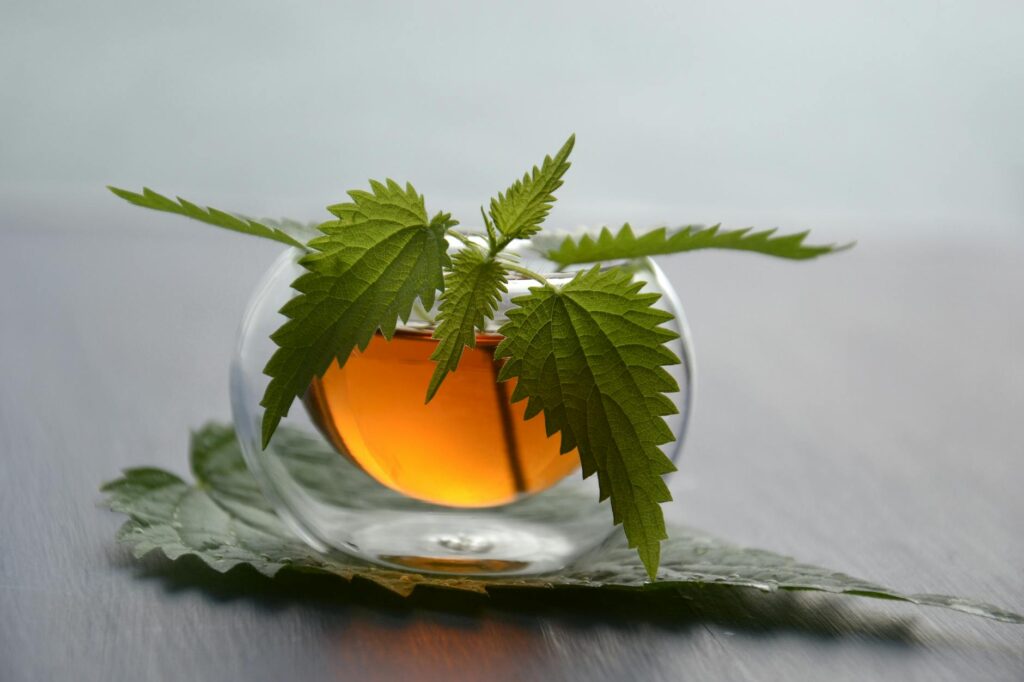
Nettle leaf extract is derived from the leaves of the nettle plant, commonly known as stinging nettle. The plant is recognized for its serrated leaves and tiny stinging hairs, which can induce a mild burning sensation upon contact with skin. Historically, nettle has been used in various cultures for its medicinal properties, including its use as a food source and in remedies for different ailments.
The extract can be found in various forms, including liquid tinctures, capsules, powders, and oils. Each form has distinct applications and absorption rates, making it essential to consider the method of consumption when integrating nettle leaf extract into one’s routine.
Key Benefits and Properties
Nettle leaf extract is celebrated for its rich nutritional content, which includes:
- Vitamins and Minerals: Nettle is abundant in vitamins A, C, K, and several B vitamins, as well as minerals like iron, calcium, magnesium, and potassium.
- Antioxidants: It contains a variety of antioxidants, such as flavonoids and carotenoids, which help combat oxidative stress in the body.
- Anti-inflammatory Properties: Some studies suggest that nettle may possess anti-inflammatory properties, making it potentially beneficial for conditions related to inflammation.
- Diuretic Effects: Nettle leaf is often regarded as a natural diuretic, which may help in flushing out excess fluids from the body.
- Nutritional Supplement: Due to its high nutrient content, nettle leaf extract is often taken as a dietary supplement to enhance overall health.
- Skin Care: The anti-inflammatory and antioxidant properties of nettle may make it beneficial in topical formulations aimed at treating skin conditions such as acne, eczema, and psoriasis.
- Allergy Relief: Some individuals use nettle leaf extract as a natural antihistamine to alleviate symptoms associated with seasonal allergies.
- Joint Support: Nettle has been traditionally used to support joint health and may be included in formulations aimed at alleviating discomfort related to conditions like arthritis.
- Massage Oils: Nettle extract can be blended with carrier oils for massage, potentially enhancing the soothing experience while providing anti-inflammatory benefits.
- Bath Products: Adding nettle leaf extract to bath salts or oils can create a rejuvenating soak, promoting relaxation and skin health.
- Inhalation Blends: While nettle is not typically used as a standalone essential oil, it can complement other oils in blends aimed at respiratory support or relaxation.
- Allergic Reactions: Some individuals may experience allergic reactions to nettle, particularly those with sensitivities to plants in the Urticaceae family. It is advisable to conduct a patch test before topical application.
- Pregnancy and Breastfeeding: Pregnant and breastfeeding women should consult a healthcare provider before using nettle, as its effects during these periods are not well-studied.
- Medication Interactions: Nettle may interact with certain medications, including blood thinners, diuretics, and diabetes medications. Those on such medications should seek advice from a healthcare professional.
- Dosage: As with any herbal supplement, it is essential to adhere to the recommended dosage. Overconsumption may lead to adverse effects such as gastrointestinal discomfort.
- Temperature: Store the extract in a cool, dark place away from direct sunlight. High temperatures and light can degrade its beneficial properties.
- Container: Ensure that the extract is stored in an airtight container to prevent exposure to moisture and air, which can lead to contamination.
- Shelf Life: The shelf life of nettle leaf extract can vary based on its form and storage conditions. Generally, liquid extracts may last 1-2 years, while powdered forms may have a longer shelf life. Always check the packaging for specific expiration dates.
These properties contribute to its popularity in herbal remedies and wellness practices.
Common Uses
Nettle leaf extract is utilized in various contexts, including:
Aromatherapy Applications
Aromatherapy primarily involves the use of essential oils, but herbal extracts can also play a role in holistic practices. Nettle leaf extract is often used in conjunction with essential oils for its complementary benefits. Here are a few ways it can be incorporated:
Safety Considerations
While nettle leaf extract is generally considered safe for most people, certain precautions should be taken:
Storage and Shelf Life
Proper storage is crucial for maintaining the efficacy of nettle leaf extract:
Frequently Asked Questions
1. Can I take nettle leaf extract daily?
While many individuals incorporate nettle leaf extract into their daily routines, it is advisable to follow the recommended dosage on the product label and consult a healthcare professional for personalized advice.
2. Is nettle leaf extract safe for children?
Nettle leaf extract may be safe for children, but it is crucial to consult a pediatrician before introducing any herbal supplements to ensure appropriate dosing and safety.
3. How can I incorporate nettle leaf extract into my diet?
Nettle leaf extract can be added to smoothies, teas, or taken in capsule form. It can also be used in cooking, as fresh nettle leaves can be sautéed or added to soups.
4. Are there any side effects associated with nettle leaf extract?
Some individuals may experience mild side effects such as gastrointestinal upset or allergic reactions. If any adverse effects occur, it is best to discontinue use and consult a healthcare professional.
5. Can nettle leaf extract help with hair health?
Nettle is sometimes included in hair care products due to its potential benefits for scalp health and hair growth. However, scientific evidence supporting these claims is limited.
Conclusion
Nettle leaf extract is a versatile herbal product with a rich history of use and a variety of applications in wellness and skincare. While it offers numerous potential benefits, individuals should remain aware of safety considerations and consult a healthcare provider when necessary. As with any herbal supplement, informed and cautious use will allow individuals to explore the advantages of nettle leaf extract safely.