
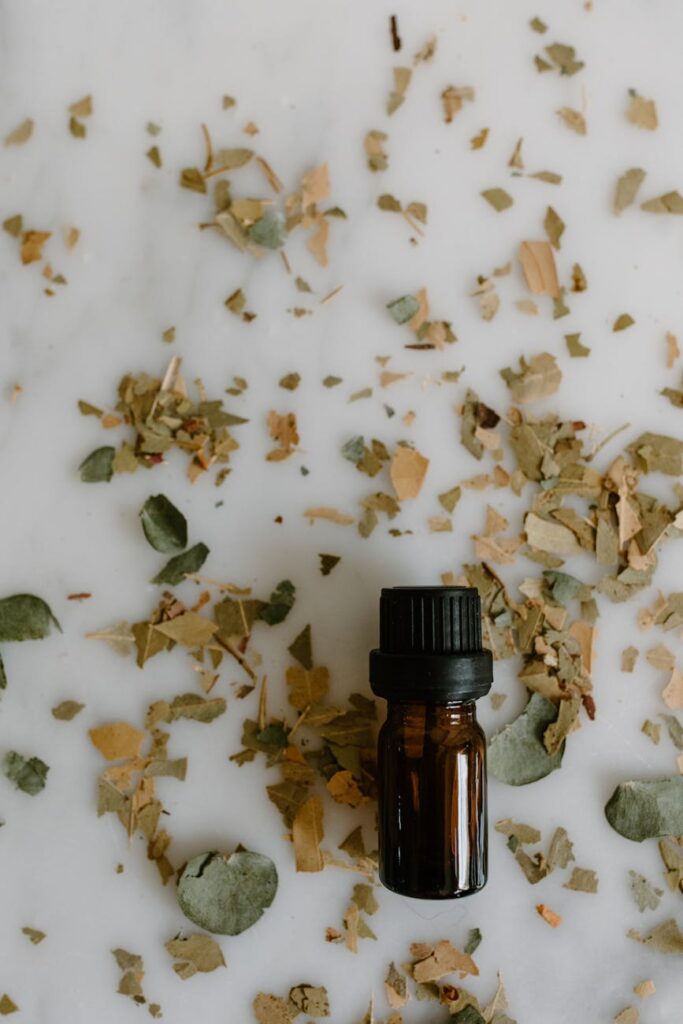
Is Niaouli Oil Safe? Uses, Benefits and Precautions
Introduction
Niaouli oil, derived from the leaves of the Melaleuca quinquenervia tree, is a member of the tea tree family, known for its numerous therapeutic properties and aromatic profile. Native to Australia and parts of the Pacific Islands, this essential oil has gained recognition in aromatherapy and natural wellness circles. As with any essential oil, understanding its safety, uses, benefits, and precautions is crucial for maximizing its potential while minimizing risks.
What Is Niaouli Oil?
Niaouli oil is extracted through steam distillation from the leaves and twigs of the Melaleuca quinquenervia tree. The oil is characterized by its fresh, camphoraceous scent, reminiscent of eucalyptus, yet with a sweeter, more earthy undertone. This unique aroma, combined with its therapeutic properties, makes niaouli oil a popular choice among aromatherapists and natural health practitioners.
Key Benefits and Properties
Niaouli oil possesses a range of beneficial properties:
1. Antimicrobial: Niaouli oil is known for its antimicrobial effects, which can help inhibit the growth of bacteria, fungi, and viruses.
2. Anti-inflammatory: The oil exhibits anti-inflammatory properties, making it a potential candidate for soothing skin irritations and reducing redness.
3. Expectorant: Niaouli oil may assist in relieving respiratory issues by promoting the clearance of mucus from the respiratory tract.
4. Analgesic: Some studies suggest that niaouli oil can help alleviate pain and discomfort, especially when used topically.
5. Insect Repellent: Due to its strong scent, niaouli oil is often used as a natural insect repellent, helping to keep unwanted pests at bay.
These properties make niaouli oil a versatile addition to many natural wellness routines.
Common Uses
Niaouli oil is employed in various applications, including:
- Skin Care: Due to its antimicrobial and anti-inflammatory properties, niaouli oil can be beneficial in treating acne, minor cuts, and skin irritations.
- Respiratory Health: Inhalation of niaouli oil may help relieve symptoms of colds, coughs, and sinus congestion.
- Household Cleaning: The antimicrobial properties of niaouli oil make it an effective ingredient in natural cleaning products.
- Insect Repellent: Niaouli oil is often included in natural insect repellent formulations.
- Massage Blends: Diluted niaouli oil can be used in massage oils to provide a soothing experience and relieve muscle tension.
- Diffusion: Adding a few drops of niaouli oil to a diffuser can help purify the air and create a refreshing atmosphere.
- Inhalation: Inhaling the oil directly from the bottle or from a cotton ball can provide immediate relief for respiratory discomfort.
- Topical Application: When diluted with a carrier oil, niaouli oil can be applied to the skin for localized benefits.
- Bath Additive: A few drops in a warm bath can promote relaxation and respiratory ease.
- Storage: Store niaouli oil in a cool, dark place, preferably in a glass container with a tight seal. This helps protect the oil from light and heat, which can degrade its quality.
- Shelf Life: When stored correctly, niaouli oil has a shelf life of approximately 2-3 years. Always check for changes in aroma, color, or consistency before use, as these may indicate spoilage.
Aromatherapy Applications
In aromatherapy, niaouli oil is valued for its uplifting and clarifying scent. It can be used in various ways:
Blending with Other Oils
Niaouli oil blends well with other essential oils, such as eucalyptus, tea tree, lavender, and lemon. This makes it a versatile component in creating personalized aromatherapy blends.
Safety Considerations
While niaouli oil is generally regarded as safe when used appropriately, there are several safety considerations to keep in mind:
1. Dilution: Essential oils should always be diluted before topical application. A common dilution ratio is 2-3 drops of essential oil per teaspoon of carrier oil.
2. Allergic Reactions: Conduct a patch test before using niaouli oil on the skin. Apply a small amount of diluted oil to a discreet area and monitor for any adverse reactions over 24 hours.
3. Pregnancy and Nursing: Pregnant or nursing individuals should consult a healthcare professional before using niaouli oil, as the effects on fetal development and lactation are not well-studied.
4. Children: Niaouli oil is often not recommended for young children, particularly those under two years of age. Always consult a healthcare provider for appropriate guidance.
5. Medical Conditions: Individuals with pre-existing medical conditions, particularly respiratory issues or skin sensitivities, should seek professional advice before using niaouli oil.
6. Drug Interactions: It is advisable to consult a healthcare professional if you are taking medications that may interact with essential oils.
Storage and Shelf Life
Proper storage of niaouli oil is essential to maintain its quality and potency. Follow these guidelines:
Frequently Asked Questions
1. Can I use niaouli oil for acne?
Yes, niaouli oil is known for its antimicrobial and anti-inflammatory properties, which may help with acne. However, it is best to dilute it with a carrier oil before applying it to the skin.
2. Is niaouli oil safe for children?
Niaouli oil is generally not recommended for young children, especially those under two years of age. Consult a healthcare professional for guidance.
3. How can I use niaouli oil for respiratory issues?
Inhalation through diffusion or directly from the bottle can help relieve respiratory discomfort. It can also be added to steam inhalation treatments.
4. Can niaouli oil be ingested?
Ingesting essential oils is not recommended without the guidance of a qualified healthcare professional. Always consult a professional before considering internal use.
5. How does niaouli oil compare to tea tree oil?
While both oils belong to the same family and share similar properties, niaouli oil has a sweeter, more earthy aroma and may offer additional benefits for respiratory health.
Conclusion
Niaouli oil is a versatile and beneficial essential oil with a variety of applications in aromatherapy and natural wellness. By understanding its properties, uses, and safety considerations, individuals can safely incorporate niaouli oil into their routines. As with any essential oil, it is essential to approach its use with care and respect for its potency. Always consult with a knowledgeable professional if you have any concerns or questions regarding its use.