
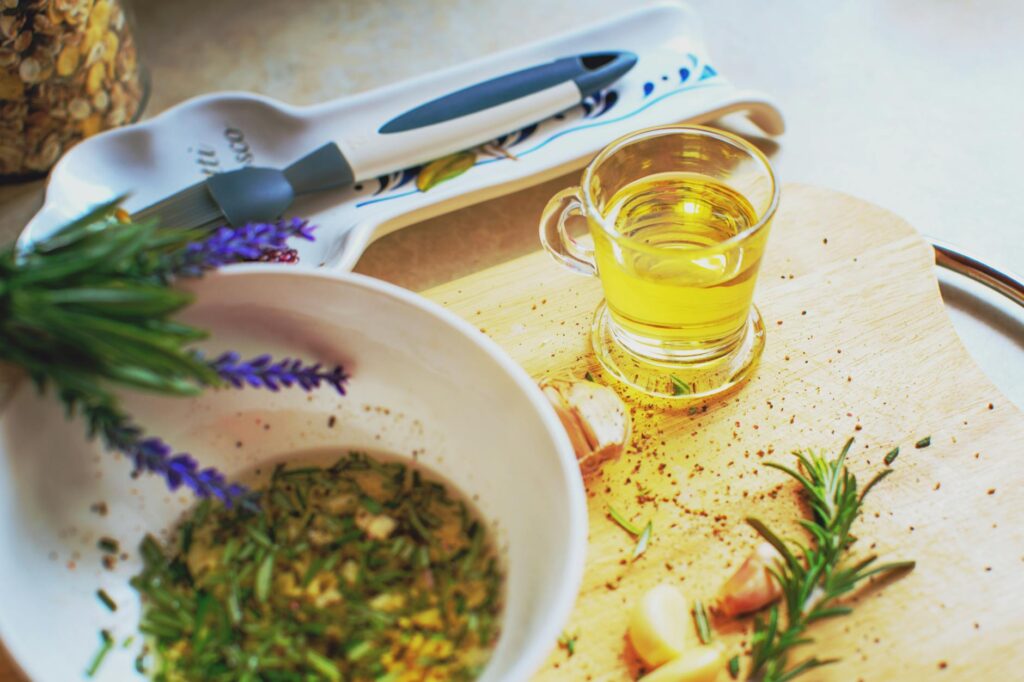
Is Olive Oil Safe? Uses, Benefits and Precautions
Introduction
Olive oil, a staple of Mediterranean cuisine, has garnered attention not only for its culinary applications but also for its potential health benefits and therapeutic properties. Extracted from the fruit of the olive tree (Olea europaea), this oil has been used for centuries in cooking, skincare, and traditional medicine. This article aims to provide a comprehensive overview of olive oil, exploring its properties, common uses, and necessary precautions, ensuring a well-rounded understanding of this versatile oil.
What Is Olive Oil?
Olive oil is derived from the pressed fruit of the olive tree, predominantly grown in Mediterranean countries. It is classified into several types based on its extraction method and acidity levels, including:
- Extra Virgin Olive Oil (EVOO): Cold-pressed and made from the first pressing of olives, containing no more than 0.8% acidity. It is considered the highest quality due to its superior taste and health benefits.
- Virgin Olive Oil: Also cold-pressed, but with a slightly higher acidity level (up to 2%).
- Refined Olive Oil: Made from virgin oils that have been chemically processed to remove defects, resulting in a lighter flavor but fewer health benefits.
- Olive Pomace Oil: Extracted from the pomace (the solid remains) after the first pressing, often mixed with refined oil and used in cooking.
- Antioxidants: Olive oil is abundant in antioxidants, such as vitamin E and polyphenols, which help combat oxidative stress and inflammation in the body.
- Anti-inflammatory Properties: The phenolic compounds in olive oil have been shown to reduce inflammation, potentially lowering the risk of chronic diseases.
- Heart Health: Regular consumption of olive oil is associated with a lower incidence of cardiovascular disease, attributed to its favorable effects on cholesterol levels and blood pressure.
- Skin Benefits: The moisturizing properties of olive oil make it a popular ingredient in skincare products, promoting hydration and skin health.
- Cooking and Baking: Olive oil is widely used for sautéing, roasting, and baking due to its flavor and nutritional benefits. Extra virgin olive oil is particularly favored for dressings and dips.
- Flavor Enhancer: It is often drizzled over salads, vegetables, and pasta dishes to enhance taste and provide health benefits.
- Moisturizer: Its emollient properties make olive oil an effective natural moisturizer for dry skin.
- Makeup Remover: Olive oil can be used to remove makeup gently without harsh chemicals.
- Massage Oil: Many practitioners use olive oil as a base for massage, thanks to its smooth texture and skin-nourishing properties.
- Conditioner: Olive oil can be applied to hair to improve shine, reduce frizz, and enhance overall manageability.
- Scalp Treatment: It may promote scalp health and potentially address dryness and flakiness.
- Lavender: For relaxation and stress relief.
- Peppermint: To invigorate and uplift.
- Tea Tree: For its antiseptic properties.
- Topical Application: Diluted essential oils can be applied to pulse points or areas of concern.
- Massage: When used as a massage oil, the combination of olive oil and essential oils can promote relaxation and relieve tension.
- Keep It Cool: Store olive oil in a cool, dark place away from direct sunlight and heat sources. This helps prevent oxidation and rancidity.
- Seal Tightly: Ensure the bottle is tightly sealed to minimize exposure to air, which can degrade the oil.
- Use Within a Year: While olive oil can last longer, it is best consumed within 12-18 months of opening for optimal flavor and health benefits.
Each type of olive oil carries its unique flavor profile and characteristics, making it suitable for various culinary and therapeutic applications.
Key Benefits and Properties
Olive oil is rich in monounsaturated fats, particularly oleic acid, which is known for its heart-healthy properties. Beyond its fatty acid composition, olive oil contains a range of beneficial compounds, including:
Common Uses
Olive oil is an incredibly versatile oil, utilized across various domains:
Culinary Uses
Skincare
Hair Care
Aromatherapy Applications
While olive oil is not typically classified as an essential oil, it is frequently used as a carrier oil in aromatherapy. Carrier oils are necessary for diluting essential oils to ensure safe application on the skin. Olive oil’s stability and skin-nourishing properties make it an excellent choice for this purpose.
Blending with Essential Oils
When blended with essential oils, olive oil can help to enhance their therapeutic effects. Popular essential oils to mix with olive oil include:
Application Methods
Safety Considerations
While olive oil is generally regarded as safe for most people, there are several precautions to consider:
Allergies
Some individuals may have sensitivity or allergic reactions to olive oil. It is advisable to conduct a patch test before using it extensively on the skin.
Quality
The quality of olive oil can vary significantly. Always choose high-quality, extra virgin olive oil from reputable sources to ensure purity and avoid contamination with lower-quality oils or additives.
Interactions
Olive oil may interact with certain medications, particularly those affecting blood pressure or cholesterol levels. It is recommended to consult with a healthcare professional if you have concerns about dietary changes.
Consumption
While olive oil is beneficial, it is still high in calories. Moderation is key, particularly for those monitoring their caloric intake.
Storage and Shelf Life
To maintain the quality and benefits of olive oil, proper storage is essential:
Frequently Asked Questions
1. Can olive oil go rancid?
Yes, olive oil can go rancid if not stored properly. Signs of rancidity include an off smell or flavor. If you suspect your olive oil is rancid, it is best to discard it.
2. Is olive oil suitable for high-heat cooking?
While olive oil has a relatively high smoke point, extra virgin olive oil is best used for low to medium heat cooking to preserve its flavor and health benefits. For high-heat cooking, refined olive oil or other oils with higher smoke points may be more suitable.
3. Can I use olive oil for oil pulling?
Yes, olive oil can be used for oil pulling, a practice aimed at improving oral health. However, it is essential to ensure that the oil used is of high quality.
4. What is the best way to incorporate olive oil into my diet?
Incorporating olive oil into your diet can be as simple as using it in salad dressings, drizzling it over cooked vegetables, or using it in marinades. Aim for high-quality extra virgin olive oil for the best health benefits.
5. Is there a difference between light and extra virgin olive oil?
Yes, “light” olive oil refers to a lower flavor intensity and is often refined, while extra virgin olive oil is made from first-pressed olives and retains its natural flavor and health benefits.
Conclusion
Olive oil is a versatile and beneficial oil that has been celebrated for its culinary and therapeutic properties for centuries. While it offers numerous health benefits and applications, it is essential to be aware of quality, storage, and safety considerations. By incorporating high-quality olive oil into your diet and skincare routine, you can enjoy its myriad benefits while practicing moderation and mindfulness.