
Is Ornamental Perennials Safe? Uses, Benefits and Precautions
Introduction
Ornamental perennials are popular among gardeners and landscape designers for their beauty, resilience, and ability to return year after year. While many of these plants are primarily appreciated for their aesthetic value, some also possess beneficial properties that can be harnessed in various applications, including aromatherapy and holistic practices. This article explores the characteristics of ornamental perennials, their benefits, common uses, safety considerations, and more.
What Is Ornamental Perennials?
Ornamental perennials are plants that live for more than two years, often blooming in specific seasons and providing visual appeal in gardens and landscapes. They include a wide range of species, from flowering plants like coneflowers and daylilies to foliage plants such as hostas and ferns. Distinct from annuals, which complete their life cycle in a single growing season, perennials go dormant in the winter and regenerate in the spring.
These plants are often categorized based on their growing conditions, such as sun or shade tolerance, and their corresponding flower colors and shapes. Their longevity, coupled with their diverse appearances, makes them a favorite choice for both amateur and professional gardeners.
Key Benefits and Properties
Ornamental perennials offer several benefits beyond their visual appeal:
1. Ecological Benefits: They contribute to biodiversity, providing habitats for various pollinators, including bees and butterflies. By fostering a healthy ecosystem, ornamental perennials can help maintain the balance of local flora and fauna.
2. Soil Health: The deep root systems of many perennials help improve soil structure and prevent erosion. They can also enhance soil fertility by contributing organic matter when leaves and stems die back.
3. Low Maintenance: Many ornamental perennials are hardy and require less maintenance than annuals. They typically need less frequent watering and can thrive in a variety of soil types.
4. Seasonal Interest: With a variety of blooming times, colors, and textures, ornamental perennials can provide visual interest throughout the seasons, ensuring that gardens remain vibrant year-round.
Common Uses
Ornamental perennials are primarily used for landscaping and gardening but can also find applications in other areas, such as:
1. Decorative Arrangements: Cut flowers from ornamental perennials can be used in bouquets and floral arrangements, providing a fresh and natural aesthetic.
2. Companion Planting: Certain perennials can be strategically planted alongside vegetables and herbs to deter pests or attract beneficial insects.
3. Erosion Control: Due to their robust root systems, many perennial plants are effective in preventing soil erosion, especially on slopes and banks.
4. Wildlife Gardens: Incorporating native perennial species can create a welcoming environment for local wildlife, enhancing biodiversity in urban and rural settings.
Aromatherapy Applications
While not all ornamental perennials are used for their aromatic properties, several species possess essential oils that can be utilized in aromatherapy. Some notable examples include:
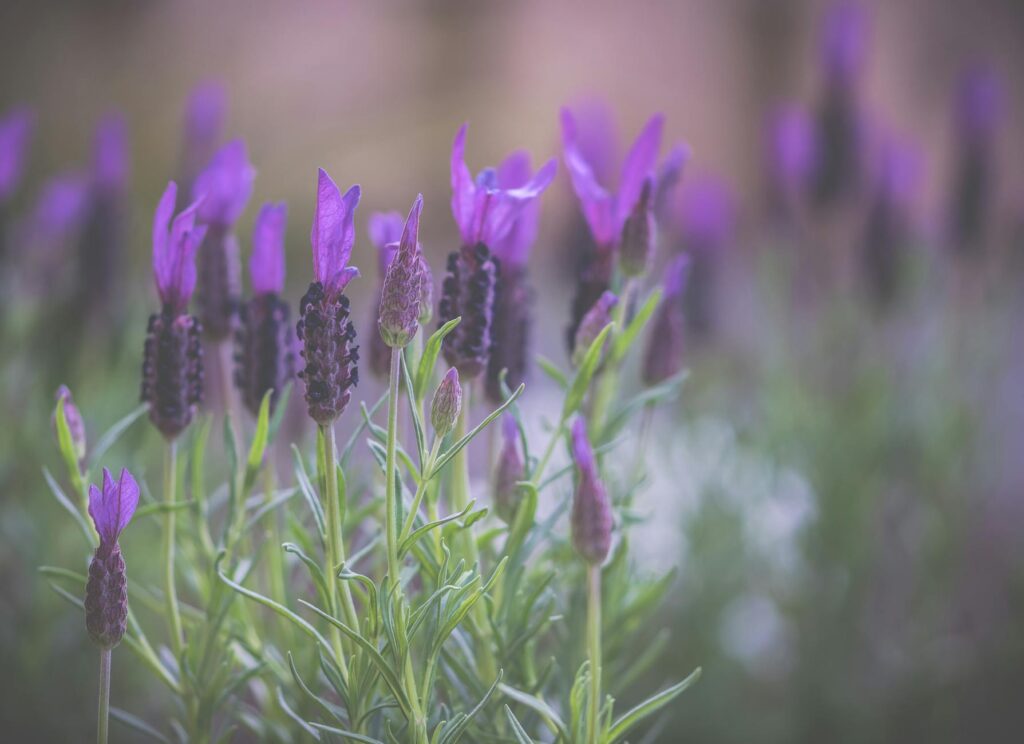
1. Lavender (Lavandula spp.): Known for its calming scent, lavender is widely used in aromatherapy to promote relaxation and alleviate stress.
2. Rosemary (Rosmarinus officinalis): Often associated with mental clarity and focus, rosemary essential oil is popular in diffusers and personal care products.
3. Sage (Salvia spp.): With its earthy fragrance, sage can be used in aromatherapy to purify spaces and enhance meditative practices.
4. Thyme (Thymus spp.): Thyme essential oil is valued for its invigorating scent and is sometimes used in personal care formulations.
While these plants are typically safe for use in aromatherapy, it is essential to understand their properties and appropriate methods of application.
Safety Considerations
Although many ornamental perennials can be safely used for various purposes, there are essential safety considerations to keep in mind:
1. Allergic Reactions: Some individuals may experience allergic reactions to certain plants or their essential oils. It is advisable to conduct a patch test before using any new product on the skin.
2. Toxicity: While many ornamental perennials are non-toxic, some can be harmful if ingested, particularly by pets or small children. Always research specific species before incorporating them into your home or garden.
3. Essential Oil Potency: The essential oils derived from ornamental perennials can be highly concentrated. It is important to follow dilution guidelines when using these oils in aromatherapy or topical applications.
4. Consultation with Experts: If you are uncertain about the safety of a particular plant or its uses, consult with a knowledgeable horticulturist or herbalist.
Storage and Shelf Life
Proper storage is vital for maintaining the quality and potency of ornamental perennial essential oils:
1. Storage Conditions: Essential oils should be stored in a cool, dark place to prevent degradation. Light, heat, and humidity can negatively impact their quality.
2. Containers: Use dark glass containers to protect essential oils from light exposure. Avoid plastic containers, as essential oils can degrade plastic over time.
3. Shelf Life: The shelf life of essential oils varies depending on the type. Generally, most essential oils last between 1 to 3 years when stored correctly. Regularly check for any changes in scent, color, or consistency, which may indicate spoilage.
Frequently Asked Questions
1. Are all ornamental perennials safe for use in aromatherapy?
Not all ornamental perennials are suitable for aromatherapy. It is essential to research specific plants and their properties before using them for this purpose.
2. Can ornamental perennials be toxic?
Yes, some ornamental perennials can be toxic if ingested. Always verify the safety of a plant before introducing it to areas frequented by pets or children.
3. How can I incorporate ornamental perennials into my garden?
You can incorporate ornamental perennials by selecting species that suit your climate and soil conditions. Plant them in groups based on their light requirements and blooming seasons for a visually appealing garden.
4. How do I know if an essential oil is pure?
To ensure the purity of an essential oil, look for products that provide information on sourcing, distillation methods, and third-party testing. Reputable brands often share these details on their packaging or website.
5. What should I do if I experience an allergic reaction to a plant or essential oil?
If you experience an allergic reaction, discontinue use immediately and consult a healthcare professional if symptoms persist. For mild reactions, consider applying a cool compress to the affected area.
Conclusion
Ornamental perennials are not only a beautiful addition to gardens and landscapes but also offer a range of benefits and applications. With their ecological advantages, low maintenance requirements, and potential uses in aromatherapy, these plants can enrich our lives in various ways. However, it is crucial to approach their use with caution, understanding the safety considerations and proper storage methods. By doing so, you can fully enjoy the beauty and benefits of ornamental perennials while ensuring a safe and enriching experience.