
Is Patchouli Oil Safe? Uses, Benefits and Precautions
Introduction
Patchouli oil, derived from the leaves of the Pogostemon cablin plant, has been utilized for centuries in various cultures for its distinctive scent and potential therapeutic properties. This essential oil has gained popularity not just in perfumery but also in aromatherapy, personal care products, and holistic wellness practices. While many people appreciate its earthy aroma and purported benefits, the question of safety remains paramount. This article delves into the properties, uses, and safety considerations surrounding patchouli oil.
What Is Patchouli Oil?
Patchouli oil is extracted through steam distillation from the leaves of the patchouli plant, which is a bushy herb native to Southeast Asia. The oil has a rich, musky-sweet fragrance that is both grounding and calming, making it a staple in the fragrance industry. Patchouli is often found in perfumes, incense, and various cosmetic products. Its unique scent profile has made it a favorite among those seeking to create a relaxing environment or enhance personal care routines.
Key Benefits and Properties
Patchouli oil is known for its diverse array of properties that contribute to its popularity:
1. Antimicrobial Properties: Some studies suggest that patchouli oil may possess antibacterial and antifungal qualities, making it a potential ingredient in skin care formulations aimed at preventing infections.
2. Anti-inflammatory Effects: The oil is often touted for its ability to reduce inflammation, which may be beneficial in various topical applications.
3. Mood Enhancement: Patchouli oil is frequently used in aromatherapy for its calming and uplifting effects. It is believed to alleviate feelings of anxiety and promote emotional balance.
4. Skin Benefits: Traditionally, patchouli oil has been used to promote skin health. It is thought to be beneficial for dry skin, scars, and minor irritations due to its moisturizing properties.
5. Aphrodisiac Qualities: In many cultures, patchouli oil has been considered an aphrodisiac, enhancing romantic and intimate experiences.
Common Uses
Patchouli oil finds application in various domains, including:
- Perfumery: Its strong and enduring scent makes it a preferred base note in many fragrances.
- Cosmetics: Used in lotions, shampoos, and soaps, patchouli oil adds a unique fragrance while providing potential skin benefits.
- Household Products: Commonly included in candles, incense, and air fresheners for its aromatic properties.
- Massage Oils: Often blended with carrier oils in massage therapy for relaxation and mood enhancement.
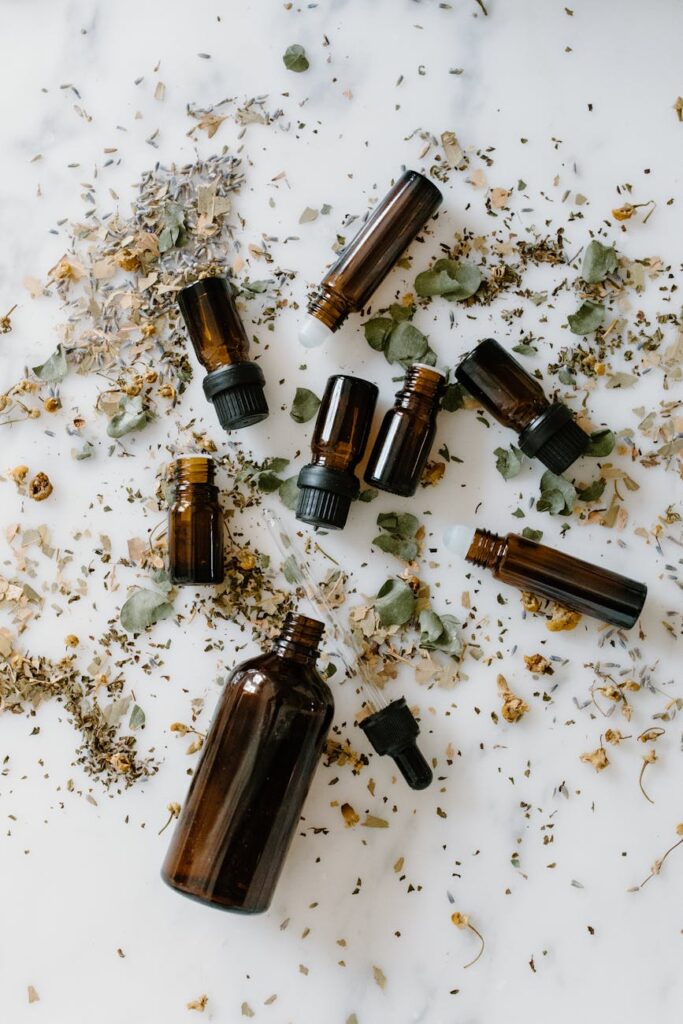
- Dark Glass Containers: Store patchouli oil in dark glass bottles to protect it from light, which can degrade the oil over time.
- Cool, Dry Place: Keep the oil in a cool, dry place away from direct sunlight or heat sources. Excessive heat can alter the oil’s chemical composition.
- Shelf Life: When stored correctly, patchouli oil can last for several years. However, it is advisable to check for any changes in color, smell, or consistency before use.
Aromatherapy Applications
In the realm of aromatherapy, patchouli oil is valued for its grounding and stabilizing effects. It can be used in various ways:
1. Diffusion: Add a few drops of patchouli oil to a diffuser, allowing its scent to permeate the space and create a calming atmosphere.
2. Topical Application: When diluted with a carrier oil, patchouli oil can be applied to pulse points, such as wrists and temples, to promote relaxation.
3. Bath Additive: Adding patchouli oil to bathwater can create a soothing experience, enhancing both physical and mental relaxation.
4. Meditation: The earthy scent of patchouli is often employed during meditation practices to foster a deeper sense of grounding and awareness.
Safety Considerations
While patchouli oil is generally considered safe for many people, there are several precautions that should be observed:
1. Skin Sensitivity: Patchouli oil can be potent and may cause skin irritation in some individuals. A patch test is recommended before full application. Diluting the oil with a carrier oil is also advisable to minimize any potential reactions.
2. Pregnancy and Breastfeeding: Limited research exists on the safety of patchouli oil during pregnancy and breastfeeding. It is advisable for pregnant or nursing individuals to consult healthcare professionals before use.
3. Allergic Reactions: Individuals with known allergies to patchouli or other members of the Lamiaceae family should avoid using patchouli oil.
4. Internal Use: Patchouli oil is primarily intended for external use and should not be ingested without the guidance of a qualified healthcare provider.
5. Interactions with Medications: If you are taking medications or have pre-existing health conditions, it is prudent to consult a healthcare professional before using patchouli oil, as it may interact with certain medications.
6. Children and Pets: Special caution should be exercised when using essential oils around children and pets. Always consult a professional for advice on safe usage in these contexts.
Storage and Shelf Life
Proper storage of patchouli oil is essential to maintain its quality and efficacy. Here are some guidelines:
Frequently Asked Questions
1. Can patchouli oil be used for skin care?
Yes, patchouli oil is commonly used in skin care products due to its moisturizing and potential antimicrobial properties. Always dilute it with a carrier oil before applying it to the skin.
2. Is patchouli oil safe for children?
While patchouli oil can be used around children, it should always be diluted and tested for skin sensitivity. Consultation with a healthcare professional is recommended.
3. Can patchouli oil help with anxiety?
Patchouli oil is often used in aromatherapy to promote relaxation and emotional balance, which may help alleviate feelings of anxiety for some individuals.
4. What is the best way to use patchouli oil in aromatherapy?
Patchouli oil can be diffused, applied topically (when diluted), or used in baths. It is best used in conjunction with other calming oils like lavender or sandalwood for enhanced effects.
5. How can I tell if my patchouli oil has gone bad?
Signs of degradation include changes in color, odor, or consistency. If the oil smells rancid or has become cloudy, it is best to discard it.
Conclusion
Patchouli oil is a versatile essential oil with a rich history and a wide range of applications. Its benefits, from mood enhancement to potential skin care properties, make it a popular choice in both personal and professional settings. However, as with any essential oil, it is essential to consider safety precautions and individual sensitivities. By understanding its properties and adhering to recommended guidelines, individuals can enjoy the aromatic and therapeutic qualities of patchouli oil safely and effectively.