
Is Patchouli Oil Safety Safe? Uses, Benefits and Precautions
Introduction
Patchouli oil, derived from the leaves of the Pogostemon cablin plant, has been utilized for centuries in various cultural practices, particularly within the realms of perfumery and traditional medicine. Its rich, earthy aroma is not only cherished in fragrances but also in the world of aromatherapy. While its popularity has grown significantly, questions regarding its safety, uses, and potential benefits remain pertinent. This article aims to provide a comprehensive overview of patchouli oil, focusing on its safety, applications, and precautions.
What Is Patchouli Oil Safety?
Patchouli oil is an essential oil extracted from the leaves of the patchouli plant, primarily through steam distillation. The safety of patchouli oil is influenced by various factors, including its purity, concentration, and individual sensitivities. Essential oils, including patchouli, are potent substances that should be used with care. Understanding how to use patchouli oil safely can enhance its benefits while minimizing any potential risks.
Key Benefits and Properties
Patchouli oil is renowned for its complex chemical composition, which contributes to its unique properties. Some of the key constituents of patchouli oil include:
- Patchoulol: The primary component, known for its calming and grounding effects.
- Sesquiterpenes: These compounds are believed to possess anti-inflammatory and antioxidant properties.
- Bicyclic Monoterpenes: Contributing to its characteristic scent and potential therapeutic effects.
Potential Benefits
1. Mood Enhancement: Patchouli oil is often used in aromatherapy to promote feelings of relaxation and emotional balance.
2. Skin Care: Its antiseptic properties may help soothe skin irritations and support skin health, making it a popular ingredient in skincare products.
3. Repellent Properties: Traditionally, patchouli oil has been employed as an insect repellent, particularly against mosquitoes.
4. Respiratory Support: The oil may help alleviate symptoms of respiratory congestion when used in diffusion or inhalation.
Common Uses
Patchouli oil is versatile and finds applications in various domains:
1. Perfumery: Its rich, deep scent makes it a favorite base note in many perfumes and colognes.
2. Cosmetics: It is frequently incorporated into lotions, creams, and soaps for its aromatic and potential skin-benefiting properties.
3. Household Products: Many natural cleaning products utilize patchouli oil for its pleasant fragrance and potential antibacterial properties.
4. Aromatherapy Blends: Often combined with other essential oils, patchouli enhances formulations aimed at emotional well-being.
Aromatherapy Applications
In aromatherapy, patchouli oil is typically used in the following ways:
Diffusion
Using a diffuser, patchouli oil can fill a room with its calming aroma. A few drops mixed with water can create a soothing atmosphere, promoting relaxation and reducing stress.
Topical Application
When diluted in a carrier oil, patchouli oil can be applied to the skin. This method is often used in massage therapy to enhance relaxation and relieve tension.
Inhalation
Direct inhalation of patchouli oil from the bottle or through a steam inhalation method can aid in respiratory support and mood enhancement.
Safety Considerations
While patchouli oil offers numerous benefits, safety precautions are essential to avoid adverse reactions:
1. Skin Sensitivity
Before applying patchouli oil topically, it is advisable to conduct a patch test. Dilute a small amount in a carrier oil and apply it to a small skin area. Wait 24 hours to check for any allergic reactions or irritations.
2. Pregnancy and Nursing
Pregnant or nursing women should consult with a healthcare professional before using patchouli oil, as certain essential oils may not be recommended during these periods.
3. Children
Patchouli oil should be used cautiously around children. Always dilute it appropriately and consult with a professional if uncertain about its use.
4. Medical Conditions
Individuals with specific medical conditions or those on medications should seek advice from a qualified healthcare provider before using patchouli oil, particularly if they are undergoing treatment for conditions such as skin disorders or respiratory issues.
5. Ingestion
Patchouli oil is not recommended for internal use unless under the supervision of a qualified healthcare professional. Ingesting essential oils can lead to toxicity and adverse reactions.
Storage and Shelf Life
Proper storage is essential to maintain the quality and effectiveness of patchouli oil. Here are some guidelines:
1. Store in a Cool, Dark Place
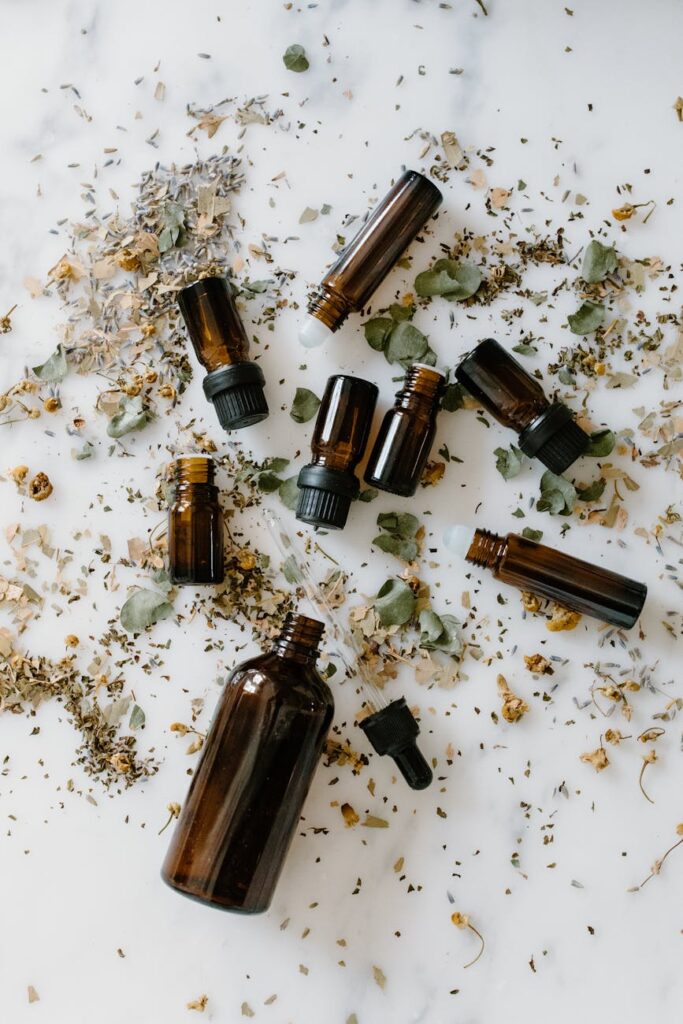
Essential oils should be kept away from direct sunlight and heat sources. A dark glass container, preferably amber or cobalt blue, helps protect the oil from light exposure.
2. Seal Tightly
Ensure the bottle is tightly sealed to prevent oxidation and evaporation.
3. Shelf Life
Typically, patchouli oil has a shelf life of 3 to 5 years if stored correctly. However, its aroma may change over time, and it is best to discard any oil that has developed an off smell or unusual appearance.
Frequently Asked Questions
1. Is patchouli oil safe for everyone?
While many people can use patchouli oil safely, individual sensitivities can vary. Conducting a patch test and consulting a healthcare provider for specific concerns is advisable.
2. Can patchouli oil be used in cooking?
Patchouli oil is not considered safe for culinary use. Its strong aroma and potential toxicity make it unsuitable for ingestion.
3. How can I dilute patchouli oil for topical use?
A general guideline is to dilute patchouli oil at a concentration of 1-5% in a carrier oil, depending on individual sensitivity and the purpose of use.
4. What are the best carrier oils for dilution?
Common carrier oils include jojoba oil, sweet almond oil, and coconut oil. Each has its properties, and the choice may depend on skin type and personal preference.
5. Can patchouli oil help with anxiety?
Many users report that patchouli oil helps promote relaxation and reduces anxiety. However, individual experiences may vary, and it should not replace professional mental health treatment.
Conclusion
Patchouli oil is a multifaceted essential oil with a rich history and diverse applications. Its potential benefits, from mood enhancement to skin care, make it a popular choice in aromatherapy and natural products. However, understanding its safety and proper usage is crucial for maximizing its advantages while minimizing risks. By following appropriate precautions and guidelines, individuals can safely enjoy the aromatic and therapeutic properties of patchouli oil.