
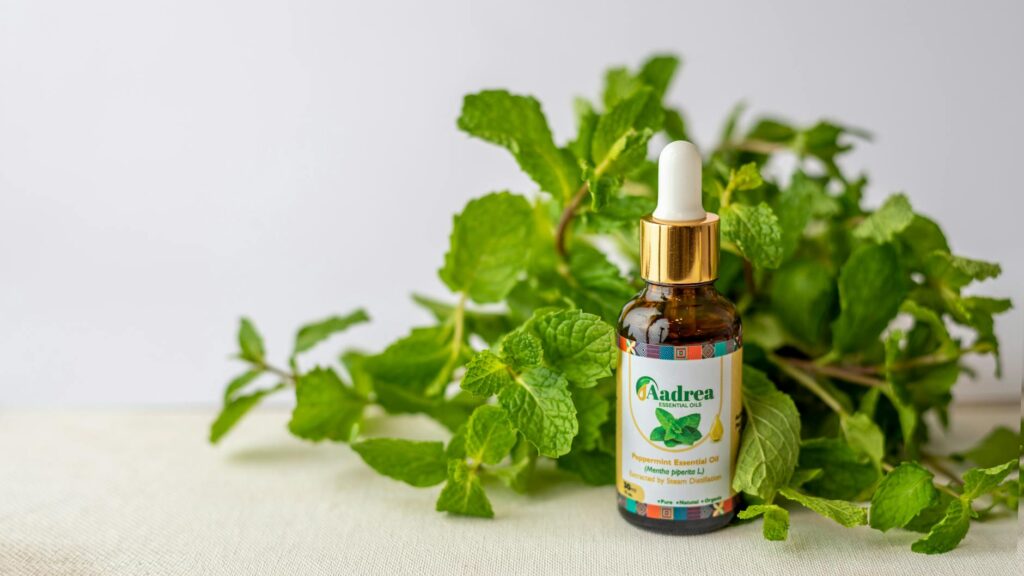
Is Peppermint Extract Safe? Uses, Benefits and Precautions
Introduction
Peppermint extract, derived from the leaves of the Mentha × piperita plant, has been utilized for centuries for its aromatic properties and potential health benefits. With its refreshing scent and flavor, peppermint is a popular ingredient in various culinary, medicinal, and cosmetic applications. However, as with any substance, understanding its safety, uses, and potential precautions is essential for responsible usage.
What Is Peppermint Extract?
Peppermint extract is produced through the process of distillation of peppermint leaves, capturing the essential oils and other volatile components of the plant. The primary compounds in peppermint are menthol and menthone, which contribute to its characteristic cooling sensation and aroma. The extract can be found in various forms, including liquid, powdered, or encapsulated forms.
In culinary contexts, peppermint extract is often used as a flavoring agent in desserts, confections, and beverages. In aromatherapy, it is valued for its invigorating scent and potential therapeutic properties.
Key Benefits and Properties
Peppermint extract boasts several properties that contribute to its popularity:
1. Antimicrobial Properties: Peppermint has demonstrated antimicrobial effects, which may help inhibit the growth of certain bacteria and fungi.
2. Digestive Aid: Traditionally, peppermint has been used to support digestive health, as it may help alleviate symptoms of indigestion and bloating.
3. Cooling Sensation: The menthol in peppermint provides a cooling effect, often used to relieve minor aches and pains when applied topically.
4. Mood Enhancer: The aroma of peppermint is believed to have uplifting effects, potentially improving mood and mental clarity.
5. Respiratory Relief: Inhalation of peppermint aroma may provide a sense of relief from congestion and respiratory discomfort.
Common Uses
Peppermint extract is versatile and can be utilized in various applications:
1. Culinary Uses: It is a common ingredient in candies, teas, ice creams, and baked goods. Peppermint extract adds flavor and a refreshing twist to recipes.
2. Cosmetics and Personal Care: The extract is often incorporated into lotions, shampoos, and soaps for its refreshing scent and potential skin benefits.
3. Household Products: Peppermint extract is used in cleaning products due to its antibacterial properties and pleasant fragrance.
4. Aromatherapy: Inhalation of peppermint oil is popular in aromatherapy practices to promote relaxation and alleviate stress.
Aromatherapy Applications
In the realm of aromatherapy, peppermint extract is frequently employed for its invigorating and refreshing qualities. Its essential oil can be diffused in a room to create an uplifting atmosphere. Additionally, it can be blended with carrier oils for topical application, often used in massage or added to bathwater for a soothing experience.
How to Use Peppermint in Aromatherapy:
- Diffusion: Add a few drops of peppermint extract to an essential oil diffuser to promote alertness and enhance focus.
- Inhalation: Place a drop of peppermint extract on a tissue or cotton ball and inhale to help clear the mind.
- Massage: Dilute peppermint extract with a carrier oil, such as coconut or almond oil, and use it for a refreshing massage.
Safety Considerations
While peppermint extract is generally regarded as safe when used appropriately, there are several important safety considerations to keep in mind:
1. Allergic Reactions: Some individuals may experience allergic reactions to peppermint. Conduct a patch test before applying it topically to ensure no adverse effects occur.
2. Dilution: Always dilute peppermint extract before applying it to the skin to prevent irritation. A common dilution ratio is 1-2 drops of peppermint oil to a carrier oil.
3. Ingestion: When used in food or beverages, peppermint extract is typically safe in moderation. However, excessive consumption may lead to gastrointestinal disturbances.
4. Pregnancy and Breastfeeding: Pregnant or breastfeeding individuals should consult a healthcare professional before using peppermint extract, as its effects during these periods are not well-studied.
5. Children: Peppermint extract should be used with caution in children, particularly in concentrated forms. Always consult a healthcare professional for guidance.
6. Interactions: Peppermint may interact with certain medications, especially those targeting the gastrointestinal system. If you are on medication, consult your healthcare provider before use.
Storage and Shelf Life
Proper storage of peppermint extract is crucial to maintain its quality and efficacy. Here are some guidelines:
1. Storage Conditions: Keep peppermint extract in a cool, dark place, away from direct sunlight and heat sources. Exposure to light and heat can degrade the oil’s quality.
2. Container: Use an airtight glass container to prevent oxidation. Dark glass bottles are ideal as they protect the extract from UV light.
3. Shelf Life: When stored properly, peppermint extract generally has a shelf life of 1-3 years. Always check for changes in color, odor, or consistency before use.
Frequently Asked Questions
1. Can I use peppermint extract in cooking?
Yes, peppermint extract can be used as a flavoring agent in various culinary dishes, including desserts, beverages, and savory dishes. Use it sparingly, as its flavor can be potent.
2. Is peppermint extract safe for topical use?
Peppermint extract can be safely used topically when diluted with a carrier oil. Always perform a patch test prior to full application to ensure no irritation occurs.
3. What are the differences between peppermint extract and peppermint essential oil?
Peppermint extract is typically more diluted and used primarily for flavoring, while peppermint essential oil is concentrated and often used in aromatherapy or topical applications. The essential oil has a stronger aroma and more potent properties.
4. Can I use peppermint extract during pregnancy?
It is advisable for pregnant individuals to consult with a healthcare professional before using peppermint extract, as its effects during pregnancy are not well established.
5. How do I know if I’m allergic to peppermint?
If you have never used peppermint extract before, perform a patch test by applying a small amount to your skin and waiting 24 hours to check for any adverse reactions, such as redness or itching.
Conclusion
Peppermint extract is a versatile and popular ingredient with a wide range of applications, from culinary delights to therapeutic uses in aromatherapy. Understanding its benefits, uses, and safety precautions allows individuals to enjoy its refreshing qualities responsibly. As with any natural substance, informed use is key to maximizing its potential while minimizing risks.