
Is Peppermint Oil Safe? Uses, Benefits and Precautions
Introduction
Peppermint oil, derived from the leaves of the Mentha × piperita plant, is a popular essential oil known for its invigorating scent and numerous applications. With a long history rooted in traditional practices, peppermint oil continues to be widely used in aromatherapy, personal care products, and culinary applications. However, like all essential oils, it is important to understand its uses, benefits, and safety considerations. This article provides a comprehensive overview of peppermint oil, exploring its properties and addressing common questions regarding its use.
What Is Peppermint Oil?
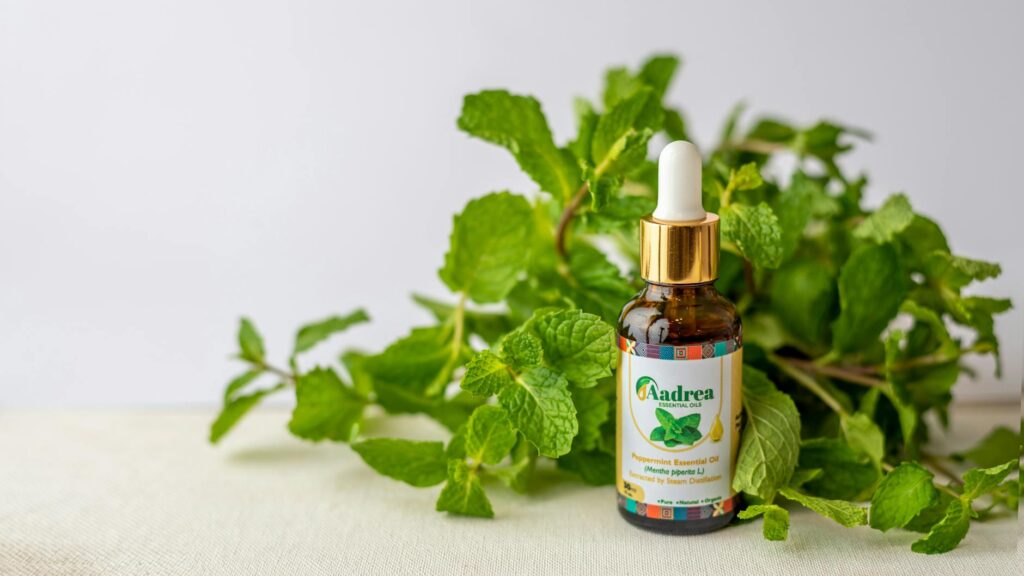
Peppermint oil is an essential oil extracted from the leaves of the peppermint plant, a hybrid of watermint and spearmint. The extraction process typically involves steam distillation, which preserves the oil’s aromatic qualities and beneficial compounds. The primary active components of peppermint oil are menthol and menthone, which contribute to its characteristic cooling sensation and distinct fragrance.
The oil is known for its strong, minty aroma and is often used in a variety of products ranging from personal care items to food flavorings. Its versatility and appealing scent have made it a staple in many households.
Key Benefits and Properties
Peppermint oil possesses several beneficial properties that contribute to its popularity:
1. Cooling Sensation: The menthol in peppermint oil creates a cooling effect when applied to the skin, making it a common ingredient in topical formulations.
2. Antimicrobial Properties: Preliminary studies suggest that peppermint oil may have antimicrobial effects, potentially helping to inhibit the growth of certain bacteria and fungi.
3. Digestive Support: Traditionally, peppermint has been used to alleviate digestive issues, including bloating and discomfort. While further research is needed, many people use peppermint oil in moderation for this purpose.
4. Mood Enhancement: The invigorating scent of peppermint oil is often associated with improved focus and mental clarity. Its aroma may help to uplift mood and increase alertness.
5. Respiratory Relief: The menthol in peppermint oil may help open up airways and promote easier breathing, making it a common choice for those looking to support respiratory health.
Common Uses
Peppermint oil is utilized in a variety of settings, including:
- Aromatherapy: Many individuals diffuse peppermint oil to create an uplifting environment or to enhance concentration during work or study sessions.
- Topical Applications: It is often added to lotions, balms, or carrier oils for localized relief of tension or discomfort.
- Culinary Uses: Peppermint oil can be used sparingly in foods and beverages, such as teas and confections, to impart a refreshing mint flavor.
- Household Products: Its pleasant aroma and antimicrobial properties make peppermint oil a common ingredient in cleaning products and air fresheners.
- Diffusion: Using a diffuser, peppermint oil can fill a room with its refreshing scent, which may help to improve focus and reduce feelings of fatigue.
- Inhalation: A few drops of peppermint oil can be added to a tissue or handkerchief for direct inhalation, providing a quick pick-me-up.
- Massage Blends: When diluted with a carrier oil, peppermint oil can be incorporated into massage blends to help relieve tension and promote relaxation.
- Keep It Cool: Store peppermint oil in a cool, dark place away from direct sunlight. Heat and light can degrade the oil, reducing its effectiveness.
- Seal Tightly: Ensure the bottle is tightly sealed to prevent oxidation and evaporation.
- Use Dark Glass Bottles: Essential oils are best stored in dark glass bottles that protect them from light.
Aromatherapy Applications
In aromatherapy, peppermint oil is often used for its invigorating and refreshing qualities. It can be blended with other essential oils, such as lavender for relaxation or lemon for an uplifting blend. Some popular applications include:
Safety Considerations
While peppermint oil is generally considered safe for most individuals when used appropriately, there are several important safety considerations to keep in mind:
1. Dilution: Essential oils are highly concentrated and should be diluted with a carrier oil before topical application. A common dilution ratio is 1-2 drops of peppermint oil per teaspoon of carrier oil.
2. Skin Sensitivity: Some individuals may experience skin irritation or allergic reactions when using peppermint oil. It is advisable to conduct a patch test on a small area of skin before widespread application.
3. Pregnancy and Nursing: Pregnant or nursing individuals should consult with a healthcare provider before using peppermint oil, as its effects during these stages are not fully understood.
4. Children: Peppermint oil is not recommended for young children, as it can cause respiratory distress or skin irritation.
5. Pre-existing Conditions: Individuals with certain medical conditions, such as gastroesophageal reflux disease (GERD) or epilepsy, should exercise caution and seek guidance from a healthcare professional before using peppermint oil.
6. Drug Interactions: Peppermint oil may interact with certain medications. Always consult a healthcare provider if you are taking medications and plan to use peppermint oil.
Storage and Shelf Life
Proper storage of peppermint oil is crucial for maintaining its quality and potency. Here are some tips for storage:
The shelf life of peppermint oil is typically 1-3 years, depending on storage conditions. If the oil develops an off smell or changes in consistency, it is best to dispose of it.
Frequently Asked Questions
1. Can peppermint oil be ingested?
While some people may use peppermint oil in culinary applications, it is essential to use food-grade oil and follow recommended dosages. Always consult a healthcare provider before ingesting essential oils.
2. How can I use peppermint oil for headaches?
Many individuals apply diluted peppermint oil to their temples for relief from tension headaches. The cooling sensation may provide temporary comfort.
3. Is peppermint oil safe for pets?
Peppermint oil can be harmful to some animals, including cats and dogs. It is best to consult a veterinarian before using peppermint oil around pets.
4. Can I use peppermint oil in a diffuser?
Yes, peppermint oil can be used in a diffuser to create an uplifting atmosphere. Always follow the manufacturer’s instructions regarding the amount of oil to use.
5. How do I know if I am allergic to peppermint oil?
If you experience redness, itching, or irritation after applying peppermint oil, discontinue use and consult a healthcare professional. Conducting a patch test can help determine sensitivity.
Conclusion
Peppermint oil is a versatile essential oil with a range of uses and benefits. From its invigorating scent to potential digestive support, it has earned a place in many households. However, it is crucial to use peppermint oil safely and responsibly, taking into account individual sensitivities and health considerations. By understanding its properties and adhering to safety guidelines, you can enjoy the many benefits of peppermint oil while minimizing risks. Always consult a qualified professional if you have questions or concerns regarding its use.