
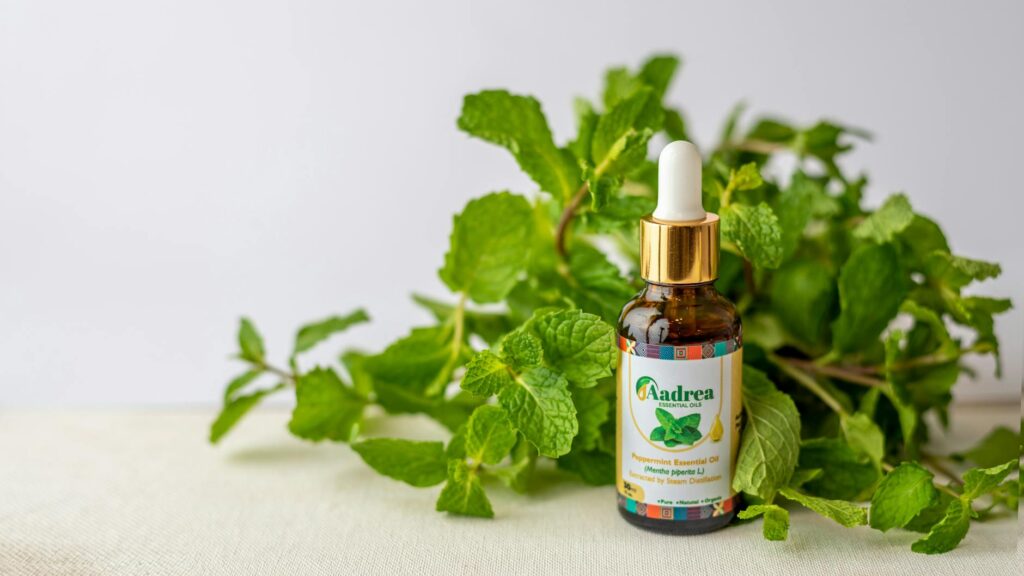
Is Peppermint Oil Safety Safe? Uses, Benefits and Precautions
Introduction
Peppermint oil, derived from the leaves of the Mentha × piperita plant, has been a staple in traditional medicine, culinary practices, and aromatherapy for centuries. Its invigorating scent and versatile properties make it a popular choice among essential oils. However, as with any natural product, understanding its safety, benefits, and appropriate usage is crucial. This article aims to explore the safety of peppermint oil, its key benefits, common applications, and necessary precautions to ensure a safe and effective experience.
What Is Peppermint Oil Safety?
Peppermint oil is considered safe for most individuals when used correctly. It is important to recognize that while peppermint oil has numerous benefits, its concentration and method of application can impact safety. The oil contains menthol, which can be potent, and may cause adverse reactions in some people, particularly when used improperly or in excessive amounts. Therefore, understanding how to use peppermint oil responsibly is key to reaping its benefits while minimizing potential risks.
Key Benefits and Properties
Peppermint oil possesses a variety of properties that contribute to its popularity:
1. Cooling Effect: The menthol component gives peppermint oil its characteristic cooling sensation, which can be soothing for sore muscles and headaches.
2. Digestive Aid: Traditionally, peppermint oil has been used to help alleviate digestive issues such as bloating and gas.
3. Antimicrobial Properties: Studies suggest that peppermint oil may have antimicrobial effects, which can help in reducing the growth of certain bacteria and fungi.
4. Mood Enhancer: Aromatic properties of peppermint oil are believed to enhance mood, promote alertness, and reduce feelings of fatigue.
5. Respiratory Relief: Inhalation of peppermint oil may help to clear congestion and ease breathing during colds or allergies.
Common Uses
Peppermint oil can be utilized in various ways, including:
- Topical Application: When diluted with a carrier oil (such as coconut or jojoba oil), peppermint oil can be applied to the skin for muscle relief or headaches.
- Inhalation: Diffusing peppermint oil in the air or inhaling it directly from the bottle can provide mood-lifting benefits and respiratory support.
- Culinary Uses: Peppermint oil is sometimes used in culinary applications, particularly in baking and beverage creation, to impart a refreshing flavor.
- Household Cleaning: Due to its antimicrobial properties, it can be added to homemade cleaning solutions for a fresh scent and added disinfection.
- Diffusion: Adding a few drops of peppermint oil to an essential oil diffuser can create an invigorating atmosphere, ideal for study or work environments.
- Massage: When combined with a carrier oil, peppermint oil can be used during massages to relieve tension and promote relaxation.
- Steam Inhalation: Adding peppermint oil to hot water and inhaling the steam can provide a soothing effect on respiratory passages.
- Storage: Keep peppermint oil in a cool, dark place, ideally in a glass bottle to protect it from light and heat.
- Shelf Life: When stored correctly, peppermint oil can last for about 2-3 years, although its aroma and properties may gradually diminish over time.
- Signs of Spoilage: If the oil exhibits a change in color, consistency, or scent, it may be time to replace it.
Aromatherapy Applications
In the field of aromatherapy, peppermint oil is frequently used for its uplifting and refreshing qualities. It can be beneficial in the following ways:
Safety Considerations
While peppermint oil is generally safe for many individuals, certain precautions should be observed:
1. Dilution: Always dilute peppermint oil with a suitable carrier oil before topical application. A common recommendation is to mix 1-2 drops of peppermint oil with at least one teaspoon of carrier oil.
2. Patch Test: Conduct a patch test on a small area of skin to check for any allergic reactions before using peppermint oil more widely.
3. Pregnancy and Nursing: Pregnant or nursing individuals should consult with a healthcare professional before using peppermint oil, as its effects during pregnancy are not thoroughly studied.
4. Infants and Young Children: Peppermint oil is generally not recommended for infants and young children due to the risk of respiratory distress and other sensitivities.
5. Medical Conditions: Individuals with certain medical conditions, such as gastroesophageal reflux disease (GERD) or those with a history of seizures, should exercise caution and consult with a healthcare professional before using peppermint oil.
6. Interactions with Medications: Peppermint oil may interact with certain medications, particularly those metabolized by the liver. Consult a healthcare professional if you are on medication.
Storage and Shelf Life
Proper storage of peppermint oil is essential to maintain its potency and effectiveness. Here are some guidelines:
Frequently Asked Questions
1. Can peppermint oil be ingested?
While some sources suggest that peppermint oil can be ingested in small amounts, caution is advised. Always consult a healthcare professional before considering ingestion, especially in concentrated forms.
2. Is peppermint oil safe for pets?
Peppermint oil can be toxic to pets, particularly cats and dogs. It is recommended to keep peppermint oil away from pets and consult a veterinarian for pet-safe alternatives.
3. Can peppermint oil help with headaches?
Many individuals use peppermint oil for headache relief due to its cooling and analgesic properties. Applying diluted oil to the temples and massaging gently may provide some relief; however, results can vary.
4. How do I know if I am allergic to peppermint oil?
If you experience symptoms such as redness, itching, or swelling after applying peppermint oil, discontinue use immediately. A patch test on a small area of skin is advisable to determine sensitivity.
5. Can peppermint oil help with sinus congestion?
Inhalation of peppermint oil may provide temporary relief from sinus congestion due to its decongestant properties. However, it should not replace medical treatment for sinus issues.
Conclusion
Peppermint oil is a versatile essential oil with numerous benefits and applications, ranging from aromatherapy to culinary uses. While it is generally considered safe for most people, it is crucial to understand the precautions necessary for its use. By adhering to safety guidelines, individuals can enjoy the refreshing qualities of peppermint oil while minimizing any risks. As with any essential oil, informed usage will allow users to harness the full potential of this aromatic powerhouse.