
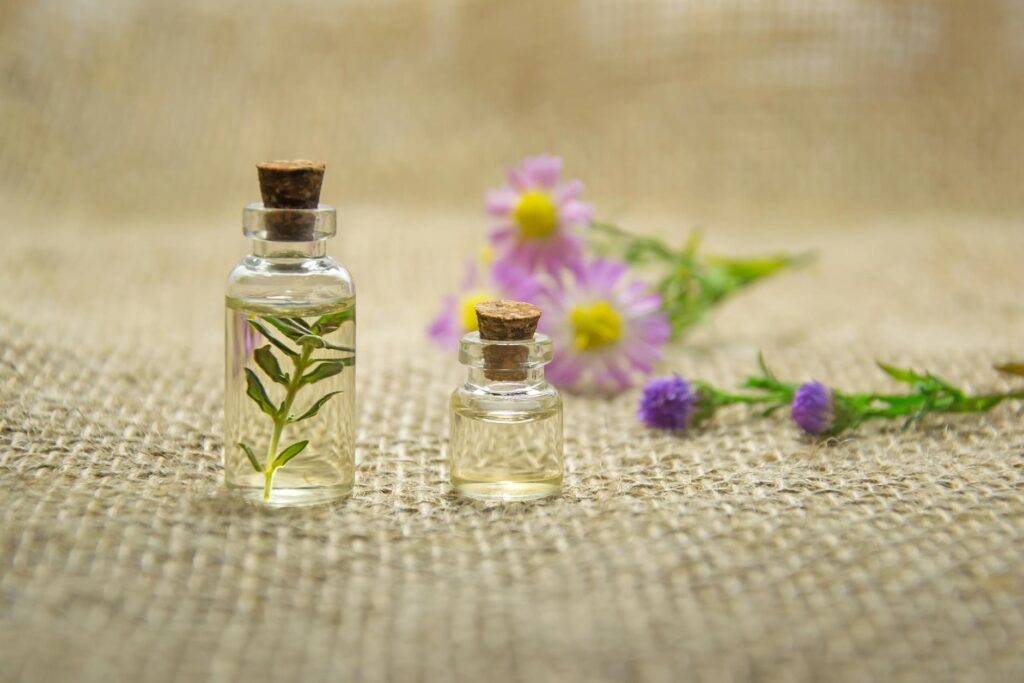
Is Petitgrain Oil Safe? Uses, Benefits and Precautions
Introduction
Petitgrain oil, derived from the leaves and twigs of the bitter orange tree (Citrus aurantium), has gained popularity in the realm of essential oils and aromatherapy. Known for its fresh, floral, and woody aroma, petitgrain oil is often used in perfumes, cosmetics, and various therapeutic applications. This article aims to provide an in-depth exploration of petitgrain oil, including its benefits, uses, safety considerations, and more.
What Is Petitgrain Oil?
Petitgrain oil is an essential oil obtained through steam distillation of the leaves, twigs, and unripe fruit of the bitter orange tree. This tree is native to Southeast Asia but is now cultivated in various regions, including France, Italy, and Brazil. The name “petitgrain” translates to “small grain” in French, referring to the small immature fruits from which the oil is traditionally extracted.
The oil boasts a complex chemical composition, primarily consisting of linalool, linalyl acetate, and other monoterpenes and sesquiterpenes. These compounds contribute to its distinctive scent and therapeutic properties.
Key Benefits and Properties
Petitgrain oil is celebrated for its numerous benefits, which can be attributed to its unique chemical constituents:
1. Relaxation and Stress Relief: Petitgrain oil is often used for its calming effects. Its aroma is believed to help alleviate anxiety and promote a sense of tranquility.
2. Antioxidant Properties: The oil contains compounds that exhibit antioxidant activity, which may help protect cells from oxidative stress.
3. Antimicrobial Effects: Some studies indicate that petitgrain oil has antimicrobial properties, making it a potential natural preservative in cosmetic formulations.
4. Hormonal Balance: Petitgrain oil may help regulate hormones, particularly in women, and is sometimes used in formulations intended to ease menstrual discomfort.
5. Skin Benefits: Due to its astringent properties, petitgrain oil may be beneficial for oily skin and can help improve the appearance of blemishes.
Common Uses
Petitgrain oil is versatile and can be used in various applications:
- Aromatherapy: Its calming aroma makes it a popular choice for diffusers and relaxation blends.
- Skincare: Often included in creams, lotions, and serums, it is valued for its potential skin benefits.
- Perfumes: The fresh, citrusy scent of petitgrain oil lends itself well to fragrance formulations.
- Household Products: Its antimicrobial properties make it a suitable ingredient in natural cleaning products.
- Diffusion: Add a few drops to a diffuser to create a calming atmosphere.
- Massage: Dilute with a carrier oil for a soothing massage, especially for those dealing with stress or anxiety.
- Bath: Incorporate into bathwater for a relaxing soak; it can enhance the overall experience and promote relaxation.
- Inhalation: Inhale directly from the bottle or place a drop on a tissue to experience its calming effects.
- Dark Glass Bottles: Store petitgrain oil in dark glass containers to protect it from light exposure, which can degrade the oil.
- Cool, Dry Place: Keep the oil in a cool, dry environment away from direct sunlight and heat sources.
- Shelf Life: When stored correctly, petitgrain oil typically has a shelf life of 1-2 years. Always check for changes in smell or color before use, as these can indicate spoilage.
Aromatherapy Applications
In aromatherapy, petitgrain oil is frequently used in the following ways:
Safety Considerations
While petitgrain oil is generally regarded as safe for use, certain precautions should be taken:
1. Dilution: Always dilute essential oils in a carrier oil before applying them to the skin to prevent irritation. A common dilution ratio is 2-3 drops of essential oil per teaspoon of carrier oil.
2. Allergic Reactions: Conduct a patch test before using petitgrain oil topically. Apply a diluted drop to a small area of skin and wait 24 hours to check for any adverse reactions.
3. Pregnancy and Nursing: Although petitgrain oil is often considered safe, it is advisable for pregnant and nursing individuals to consult with a healthcare professional before use.
4. Children: Essential oils should be used with caution around children. Always consult a pediatrician before using essential oils on or around young children.
5. Medical Conditions: Individuals with specific medical conditions or those taking medications should consult a healthcare provider before incorporating essential oils into their routine.
Storage and Shelf Life
Proper storage is crucial to maintaining the integrity of petitgrain oil. Follow these guidelines:
Frequently Asked Questions
1. Can I use petitgrain oil in cooking?
Petitgrain oil is primarily used in aromatherapy and cosmetic applications. It is not commonly recommended for culinary use due to its concentrated nature and potential for irritation.
2. Is petitgrain oil safe for sensitive skin?
While many individuals tolerate petitgrain oil well, those with sensitive skin should take precautions. Always dilute and perform a patch test before applying it to larger areas.
3. How does petitgrain oil compare to other citrus oils?
Petitgrain oil has a more complex, earthy scent compared to other citrus oils like sweet orange or lemon. It is often used for its calming properties, while other citrus oils may be more uplifting.
4. Can petitgrain oil interact with medications?
While there is limited research on drug interactions with petitgrain oil, it is wise to consult a healthcare professional if you are taking medications or have health concerns.
5. Where can I purchase high-quality petitgrain oil?
Look for reputable suppliers that provide essential oils in dark glass bottles and offer information about the oil’s origin and extraction methods. Organic and therapeutic-grade oils are preferred for quality assurance.
Conclusion
Petitgrain oil is a versatile and beneficial essential oil with a variety of applications in aromatherapy, skincare, and natural products. While it is generally considered safe, adhering to safety precautions is essential to avoid adverse reactions. With its calming properties and rich history, petitgrain oil continues to be a cherished ingredient in holistic practices. Always consult with a qualified expert for personalized advice and recommendations.