
Is Pine Essential Oil Safe? Uses, Benefits and Precautions
Introduction
Pine essential oil, derived from various species of pine trees, has been utilized for centuries for its aromatic properties and potential health benefits. With a fresh, woody scent, it is often associated with the tranquility of forest landscapes. This article explores what pine essential oil is, its benefits, common uses, safety considerations, and how to store it effectively.
What Is Pine Essential Oil?
Pine essential oil is extracted from the needles, twigs, and cones of pine trees, primarily through steam distillation. The most commonly used species for oil extraction include the Eastern White Pine (Pinus strobus), Scots Pine (Pinus sylvestris), and Red Pine (Pinus resinosa). The oil contains a variety of bioactive compounds, including pinene, limonene, and terpenes, which contribute to its distinct aroma and potential therapeutic properties.
Key Benefits and Properties
Pine essential oil is celebrated for its multiple benefits, some of which include:
1. Antimicrobial Properties: Pine oil has been studied for its ability to inhibit the growth of certain bacteria and fungi, making it a popular choice for natural cleaning products.
2. Respiratory Support: The fresh scent of pine is often associated with respiratory health. It is believed to help clear the airways and ease breathing.
3. Mood Enhancement: The invigorating aroma of pine can promote feelings of relaxation and well-being, making it a favored choice in aromatherapy.
4. Anti-inflammatory Effects: Pine essential oil may possess anti-inflammatory properties, which can help reduce discomfort in muscles and joints.
5. Natural Insect Repellent: The strong scent of pine can deter certain insects, making it useful in natural pest control.
Common Uses
Pine essential oil can be incorporated into various practices and products, including:
- Aromatherapy: Used in diffusers or inhalation to promote mental clarity and relaxation.
- Massage: Often mixed with carrier oils for soothing massages that target muscle tension.
- Household Cleaners: Added to homemade cleaning solutions for its antiseptic properties and fresh scent.
- Baths: A few drops can be added to bathwater for a refreshing and invigorating experience.
- Culinary Use: In some cultures, pine essential oil (in small amounts) is used to flavor dishes or beverages.
- Lavender: For relaxation and stress relief.
- Eucalyptus: To enhance respiratory benefits.
- Citrus Oils: Like lemon or orange, to create a refreshing atmosphere.
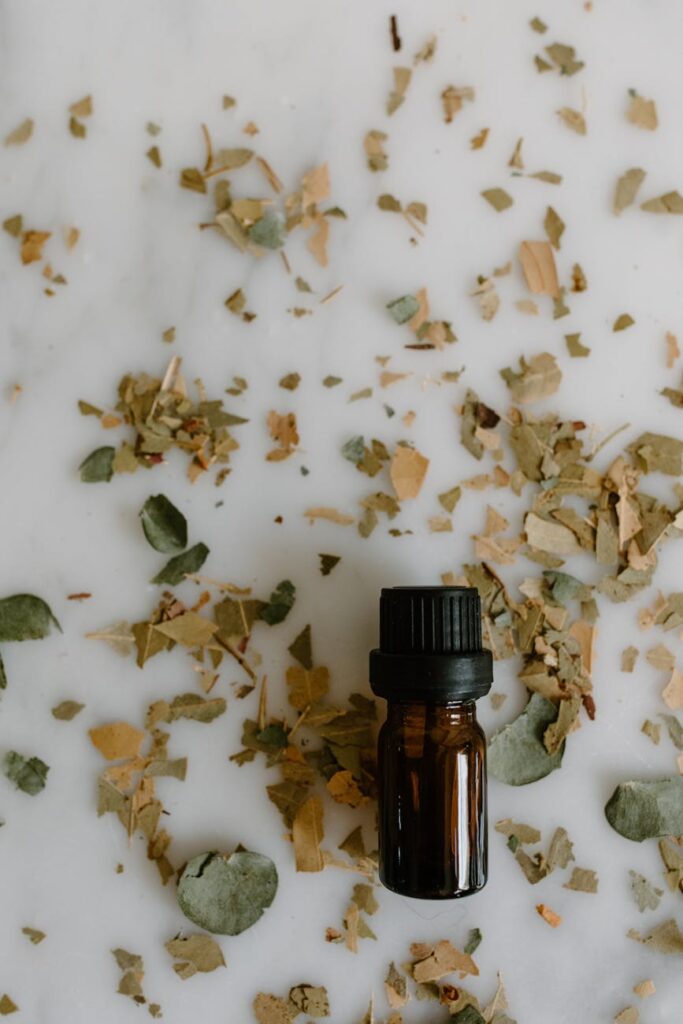
- Containers: Use dark glass containers to protect the oil from light degradation.
- Temperature: Store in a cool, dry place away from direct sunlight and heat sources.
- Shelf Life: Typically, pine essential oil has a shelf life of 1 to 3 years when stored correctly. Always check for changes in aroma, color, or consistency, which could indicate spoilage.
Aromatherapy Applications
In aromatherapy, pine essential oil is valued for its uplifting and grounding qualities. It is often blended with other essential oils such as:
These blends can be used in diffusers, personal inhalers, or even in DIY skincare products to enhance mood and promote a sense of well-being.
Safety Considerations
While pine essential oil is generally regarded as safe for use, certain precautions should be taken:
1. Skin Sensitivity: Always dilute pine essential oil with a carrier oil before applying it to the skin. A patch test is recommended to check for any adverse reactions.
2. Pregnancy and Nursing: Pregnant and nursing individuals should consult with a qualified healthcare professional before using essential oils, including pine.
3. Allergies: Those with known allergies to pine trees or related species should avoid using pine essential oil to prevent allergic reactions.
4. Children: Essential oils should be used with caution around children. For children under the age of two, it is advisable to consult with a healthcare provider before use.
5. Medical Conditions: Individuals with certain medical conditions or those taking medications should consult a healthcare professional before using essential oils, including pine.
6. Ingestion: Pine essential oil should not be ingested unless under the guidance of a qualified professional. Ingestion can lead to adverse reactions and toxicity.
Storage and Shelf Life
To preserve the quality of pine essential oil, it should be stored properly:
Frequently Asked Questions
1. Can pine essential oil be used in cooking?
While some sources suggest that pine essential oil can be used for culinary purposes, it is essential to ensure that the oil is food-grade and used in moderation. Consult culinary experts or food safety guidelines before incorporating essential oils into food.
2. Is pine essential oil safe for pets?
Pine essential oil can be toxic to pets, especially cats and dogs, when ingested or applied directly to their skin. Always consult with a veterinarian before using any essential oils around pets.
3. How can I use pine essential oil for cleaning?
To make a natural cleaning solution, mix 10-15 drops of pine essential oil with water in a spray bottle. This can be used on surfaces as a disinfectant, providing both cleaning and a refreshing scent.
4. Can pine essential oil help with anxiety?
Many individuals find the scent of pine essential oil uplifting and calming. While it may help create a relaxing atmosphere, it is not a substitute for professional mental health treatment.
5. Are there any contraindications for using pine essential oil?
Individuals with respiratory issues, skin sensitivities, or allergies to pine should exercise caution. Always consult with a healthcare provider if in doubt.
Conclusion
Pine essential oil offers a multitude of benefits and applications, making it a valuable addition to the world of aromatherapy and natural wellness. However, understanding its properties and safety precautions is essential for maximizing its efficacy while minimizing risks. By following proper guidelines, individuals can enjoy the refreshing scent and potential benefits of pine essential oil in their daily lives.