
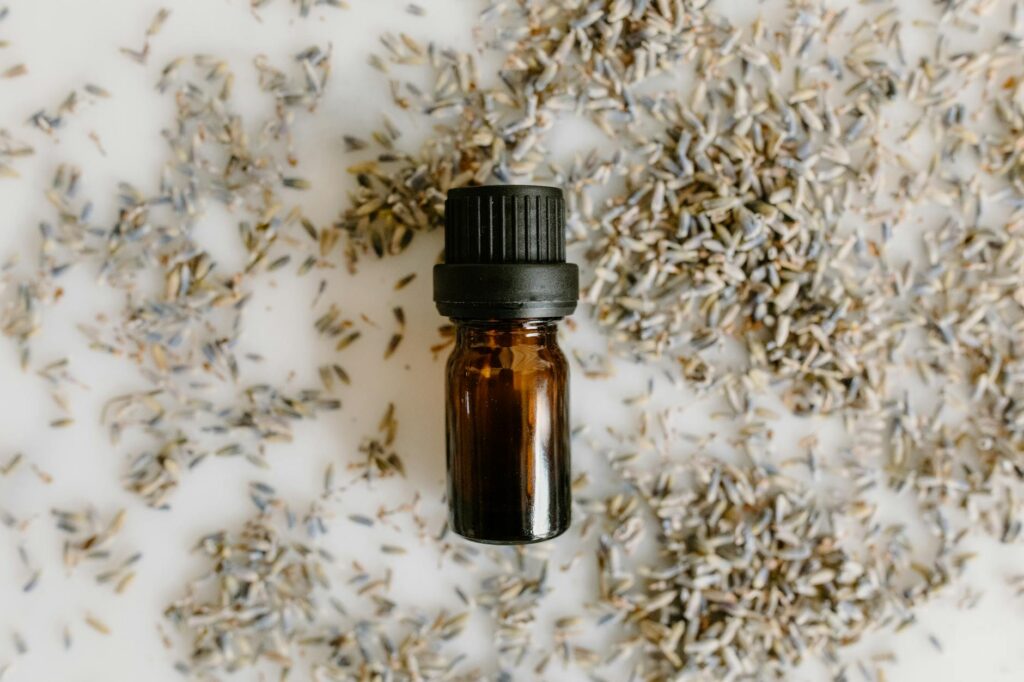
Is Pomegranate Seed Oil Safe? Uses, Benefits and Precautions
Introduction
Pomegranate seed oil, derived from the seeds of the pomegranate fruit (Punica granatum), has gained popularity in recent years due to its numerous health benefits and versatile applications. This oil is rich in essential fatty acids, antioxidants, and bioactive compounds, which contribute to its appeal in both cosmetic and therapeutic contexts. This article will explore the properties, uses, and safety considerations associated with pomegranate seed oil, providing a comprehensive overview for those interested in incorporating it into their wellness routine.
What Is Pomegranate Seed Oil?
Pomegranate seed oil is extracted from the seeds of the pomegranate fruit, which is native to the Middle East and parts of Asia. The extraction process typically involves cold-pressing the seeds, preserving the oil’s bioactive compounds and ensuring high quality. The oil has a rich, deep red color and a slightly nutty aroma, making it a desirable ingredient in various formulations, including skincare products, dietary supplements, and aromatherapy blends.
This oil is particularly noted for its high content of punicic acid, an omega-5 fatty acid, along with other essential fatty acids such as oleic and linoleic acids. These components contribute to its nourishing and moisturizing properties.
Key Benefits and Properties
Pomegranate seed oil boasts several benefits due to its unique composition. Some of the key properties include:
Antioxidant Activity
The oil is rich in antioxidants, including polyphenols and flavonoids, which help combat oxidative stress and protect cells from damage caused by free radicals. This antioxidant activity is essential for maintaining overall health and may contribute to skin health and anti-aging effects.
Anti-Inflammatory Effects
Punicic acid and other compounds in pomegranate seed oil exhibit anti-inflammatory properties, which can help reduce inflammation in the body. This characteristic makes the oil a valuable ingredient for soothing irritated skin and potentially alleviating conditions linked to chronic inflammation.
Skin Nourishment
Pomegranate seed oil is known for its moisturizing and nourishing qualities. It is easily absorbed, making it suitable for various skin types, including dry, sensitive, and mature skin. Its fatty acid profile helps to maintain skin hydration, elasticity, and overall texture.
Hormonal Balance
Some studies suggest that pomegranate seed oil may have a role in supporting hormonal balance, particularly in women. The oil may help alleviate symptoms associated with hormonal fluctuations, although further research is needed to substantiate these claims.
Common Uses
Pomegranate seed oil has a wide range of applications, primarily in cosmetic and dietary contexts:
Skincare
Due to its nourishing properties, pomegranate seed oil is frequently used in facial oils, serums, and moisturizers. It can be applied directly to the skin or incorporated into formulations to enhance hydration, elasticity, and overall skin appearance.
Haircare
This oil can also be beneficial for hair care. It may help improve hair health, adding shine and moisture while reducing scalp irritation. It can be applied as a leave-in treatment or added to shampoos and conditioners.
Dietary Supplements
Pomegranate seed oil is available in capsule form as a dietary supplement. It is often marketed for its antioxidant properties and potential health benefits, including heart health and anti-aging effects.
Culinary Uses
In some cultures, pomegranate seed oil is used in cooking, adding a unique flavor to dishes. However, it is crucial to ensure that the oil is food-grade before consumption.
Aromatherapy Applications
In aromatherapy, pomegranate seed oil is not typically used as a primary essential oil but can be blended with other oils to enhance its therapeutic properties. Its rich aroma and potential emotional benefits make it a suitable addition to various blends aimed at relaxation, balance, and emotional well-being.
Blending with Other Oils
Pomegranate seed oil complements other essential oils such as lavender, frankincense, and geranium. When blended, it can enhance the overall aroma and therapeutic effects of the mixture, making it suitable for diffusion or topical application.
Emotional Benefits
While research on the emotional benefits of pomegranate seed oil specifically is limited, the oil may contribute to feelings of well-being and balance due to its nourishing properties. When used in aromatherapy, it can create a calming atmosphere, promoting relaxation and stress relief.
Safety Considerations
While pomegranate seed oil is generally considered safe for topical use and culinary purposes, several precautions should be observed:
Allergies and Sensitivities
Individuals with known allergies to pomegranates or related fruits should exercise caution when using pomegranate seed oil. A patch test is recommended before applying it to larger areas of the skin to check for any adverse reactions.
Pregnancy and Breastfeeding
There is limited research on the safety of pomegranate seed oil during pregnancy and breastfeeding. It is advisable for pregnant or nursing women to consult a healthcare professional before using the oil.
Dosage and Consumption
When taken as a dietary supplement, adhering to the recommended dosage on product labels is essential. Overconsumption can lead to adverse effects, and it is always best to consult a healthcare professional for personalized advice.
Interactions with Medications
Pomegranate seed oil may interact with certain medications, particularly those metabolized by the liver. If you are taking medications, consult a healthcare professional before incorporating pomegranate seed oil into your regimen.
Storage and Shelf Life
Proper storage is crucial for maintaining the quality and efficacy of pomegranate seed oil. Here are some storage tips:
Storage Conditions
- Cool, Dark Place: Store the oil in a cool, dark place away from direct sunlight and heat sources. Exposure to light and heat can degrade the oil and diminish its beneficial properties.
- Sealed Container: Keep the oil in a tightly sealed container to prevent oxidation. Glass bottles are preferable to plastic containers for long-term storage.
Shelf Life
Pomegranate seed oil typically has a shelf life of 1 to 2 years when stored properly. Always check the expiration date on the product label and discard the oil if it develops an off odor or changes in color or consistency.
Frequently Asked Questions
Is pomegranate seed oil safe for all skin types?
Pomegranate seed oil is generally safe for most skin types, including dry and sensitive skin. However, individuals with specific allergies or sensitivities should perform a patch test before full application.
Can I ingest pomegranate seed oil?
Pomegranate seed oil can be consumed in capsule form as a dietary supplement. However, ensure that the oil is food-grade, and consult a healthcare professional for guidance on dosage.
Does pomegranate seed oil expire?
Yes, pomegranate seed oil has a shelf life of 1 to 2 years when stored properly. Always check for signs of spoilage before use.
Can I use pomegranate seed oil for hair care?
Yes, pomegranate seed oil can be beneficial for hair care. It may help improve moisture, shine, and overall hair health.
Is pomegranate seed oil effective for anti-aging?
While pomegranate seed oil is rich in antioxidants and has nourishing properties, individual results may vary. It is best used as part of a comprehensive skincare routine.
Conclusion
Pomegranate seed oil is a versatile and beneficial oil that can be safely incorporated into various aspects of wellness, from skincare to dietary supplements. Its rich antioxidant content and skin-nourishing properties make it a valuable addition to personal care products and wellness routines. However, as with any natural product, it is essential to consider individual sensitivities, consult with healthcare professionals when necessary, and store the oil properly to maintain its quality.