
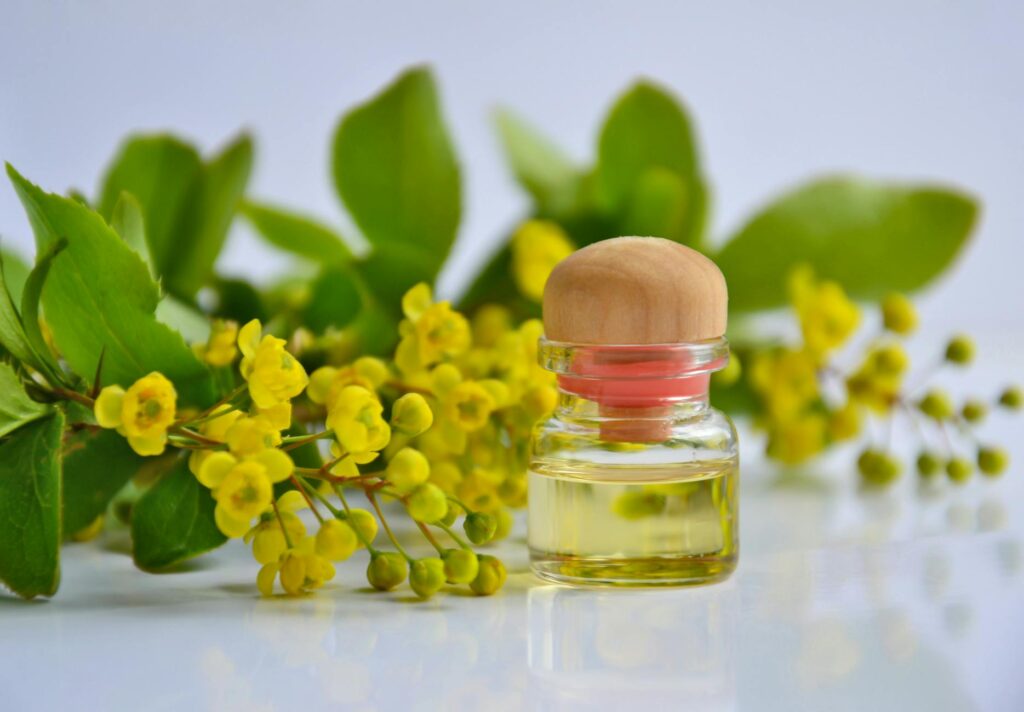
Is Poppy Seed Oil Safe? Uses, Benefits and Precautions
Introduction
Poppy seed oil has garnered attention in the realm of natural oils, recognized for its unique composition and potential benefits. Extracted from the seeds of the opium poppy (Papaver somniferum), this oil is often discussed in the context of culinary uses, cosmetic applications, and aromatherapy. While it is important to appreciate the properties and uses of poppy seed oil, it is equally crucial to understand its safety considerations. This article provides a comprehensive overview of poppy seed oil, including its benefits, uses, and precautions.
What Is Poppy Seed Oil?
Poppy seed oil is derived from the small, black seeds of the opium poppy plant. The oil is extracted through cold-pressing, a method that preserves its natural properties and nutritional content. While the poppy plant is often associated with its opiate-producing capabilities, the seeds themselves contain negligible amounts of narcotic compounds, making the oil derived from them safe for consumption and topical use.
Poppy seed oil is characterized by its light texture and nutty flavor, making it a popular ingredient in various cuisines, particularly in Middle Eastern and Mediterranean dishes. In addition to its culinary applications, the oil is also celebrated for its rich content of fatty acids and antioxidants.
Key Benefits and Properties
The composition of poppy seed oil is noteworthy, containing a variety of beneficial compounds:
1. Fatty Acids: Poppy seed oil is rich in polyunsaturated fatty acids, particularly linoleic acid (omega-6) and oleic acid (omega-9). These fatty acids play a crucial role in maintaining skin health and promoting cardiovascular health.
2. Antioxidants: The oil contains antioxidants, including tocopherols (vitamin E), which help protect cells from oxidative damage. This property is beneficial for both skin health and overall well-being.
3. Vitamins and Minerals: Poppy seed oil also contains essential vitamins and minerals that contribute to its nutritional profile. These include vitamin K, magnesium, and calcium, which can support various bodily functions.
4. Moisturizing Properties: Due to its emollient nature, poppy seed oil can aid in hydration and skin barrier protection, making it a popular choice in cosmetic formulations.
Common Uses
Poppy seed oil has various applications, ranging from culinary to cosmetic:
Culinary Uses
- Salad Dressings: Its light, nutty flavor makes poppy seed oil an excellent base for salad dressings.
- Baking: The oil can be used in baking recipes to enhance flavor and moisture.
- Finishing Oil: Drizzling poppy seed oil over dishes before serving can add a finishing touch to salads, roasted vegetables, and seafood.
- Skincare: Poppy seed oil is often included in lotions, creams, and serums due to its moisturizing and soothing properties. It can be beneficial for dry, sensitive, or irritated skin.
- Hair Care: The oil can also be used in hair treatments to nourish and condition dry or damaged hair.
- Carrier Oil: Poppy seed oil can serve as an effective carrier oil for diluting essential oils. Its light texture allows for easy absorption into the skin.
- Relaxation: When combined with calming essential oils like lavender or chamomile, poppy seed oil can contribute to relaxation and stress relief during massages or aromatherapy sessions.
- Cool, Dark Place: Poppy seed oil should be stored in a cool, dark place, away from direct sunlight, which can cause the oil to become rancid.
- Tightly Sealed Container: Keeping the oil in a tightly sealed container helps prevent oxidation and prolongs its shelf life.
- Use-By Date: Most commercially available poppy seed oils have a shelf life of about 1 to 2 years when stored properly. Always check the expiration date and use the oil within that timeframe for optimal safety and quality.
Cosmetic Uses
Aromatherapy Applications
In the field of aromatherapy, poppy seed oil is less commonly used than other essential oils, but it can still provide benefits:
Safety Considerations
While poppy seed oil is generally considered safe for most people, there are several important points to keep in mind:
1. Allergic Reactions: Some individuals may experience allergic reactions to poppy seed oil. A patch test is recommended before using it for the first time, particularly for those with known allergies to seeds or nuts.
2. Pregnancy and Breastfeeding: Pregnant and breastfeeding women should consult with a healthcare professional before incorporating poppy seed oil into their diet or skincare routine.
3. Interactions with Medications: Poppy seed oil is not known to interact significantly with medications, but individuals taking prescription medications should always check with a healthcare provider before introducing new dietary or topical products.
4. Quality of Oil: The safety and efficacy of poppy seed oil can vary depending on its quality. It is advisable to purchase oil from reputable sources to ensure it is free from contaminants and has been processed correctly.
Storage and Shelf Life
To maintain the quality of poppy seed oil, proper storage is essential:
Frequently Asked Questions
Is poppy seed oil safe to consume?
Yes, poppy seed oil is generally safe for consumption in moderate amounts. However, individuals with allergies to seeds or nuts should exercise caution.
Can poppy seed oil be used in cooking?
Absolutely! Poppy seed oil can be used in salad dressings, baking, and as a finishing oil for various dishes.
How should I store poppy seed oil?
Store poppy seed oil in a cool, dark place in a tightly sealed container to prolong its shelf life.
Are there any side effects associated with poppy seed oil?
While poppy seed oil is generally safe, individuals may experience allergic reactions. A patch test is recommended for topical use.
Can poppy seed oil be used for skincare?
Yes, poppy seed oil is often used in skincare formulations for its moisturizing and soothing properties.
Is there a difference between poppy seed oil and essential oils?
Poppy seed oil is a carrier oil derived from seeds, while essential oils are concentrated extracts obtained from various plant parts, such as leaves, flowers, and bark. Poppy seed oil can be used to dilute essential oils for safe topical application.
Conclusion
Poppy seed oil presents a range of potential benefits and uses, from culinary applications to skincare and aromatherapy. While it is generally regarded as safe, individuals should be mindful of possible allergies and consult with healthcare professionals when necessary. By understanding the properties and safe usage of poppy seed oil, individuals can appreciate its role in promoting wellness and enhancing daily life. As always, quality and responsible sourcing are key to maximizing the benefits of this versatile oil.