
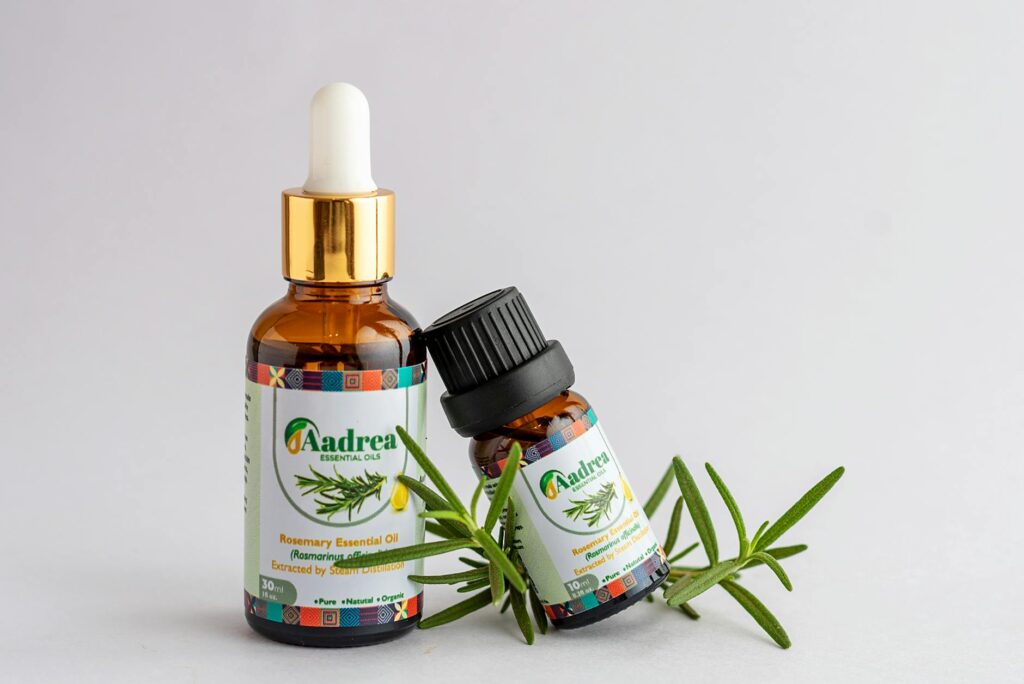
Is Rosemary Essential Oil Safe? Uses, Benefits and Precautions
Introduction
Rosemary essential oil, extracted from the leaves of the Rosmarinus officinalis plant, has been utilized for centuries in culinary practices, traditional medicine, and aromatic applications. Known for its invigorating scent and potential benefits, rosemary essential oil is a staple in the world of aromatherapy and natural remedies. However, as with any essential oil, understanding its properties, uses, and safety precautions is crucial for anyone interested in incorporating it into their lives.
What Is Rosemary Essential Oil?
Rosemary essential oil is derived from the steam distillation of the flowering tops and leaves of the rosemary plant, a perennial herb native to the Mediterranean region. This oil is characterized by its clear to pale yellow color and a strong, fresh, herbaceous aroma, reminiscent of the plant itself. Rosemary is a member of the mint family (Lamiaceae) and is closely related to other aromatic herbs such as mint, basil, and sage.
The primary chemical constituents of rosemary essential oil include 1,8-cineole, camphor, and alpha-pinene. These compounds contribute to its unique fragrance and potential therapeutic properties, making rosemary essential oil a popular choice among herbalists and aromatherapists.
Key Benefits and Properties
Rosemary essential oil is celebrated for its diverse range of benefits and properties. While research is ongoing, several key attributes have been identified:
1. Cognitive Function: Some studies suggest that the aroma of rosemary may enhance memory and concentration. The oil’s invigorating properties may help stimulate mental clarity and alertness.
2. Antioxidant Effects: Rosemary essential oil contains antioxidant compounds that can help protect cells from oxidative stress, which is implicated in various chronic diseases.
3. Anti-inflammatory Potential: The oil has been noted for its anti-inflammatory properties, which may aid in alleviating discomfort associated with muscle and joint issues.
4. Antimicrobial Activity: Research indicates that rosemary essential oil may possess antimicrobial properties, making it effective against certain bacteria and fungi.
5. Digestive Health: Traditionally, rosemary has been used to support digestive health, potentially alleviating symptoms such as bloating and gas.
Common Uses
Rosemary essential oil is versatile and can be employed in various applications, including:
- Culinary Use: In small amounts, rosemary essential oil can be used as a flavoring agent in food. It is important to use high-quality, food-grade essential oil for this purpose.
- Hair Care: Many people add rosemary essential oil to hair care products due to its purported ability to promote hair growth and improve scalp health.
- Massage Blends: The oil is frequently used in massage therapy to alleviate muscle tension and promote relaxation.
- Skin Care: Rosemary essential oil can be found in various skincare products for its potential antioxidant and anti-inflammatory benefits.
- Household Cleaning: Owing to its antimicrobial properties, rosemary essential oil can be included in homemade cleaning solutions.
- Storage: Store rosemary essential oil in a cool, dark place, away from direct sunlight and heat sources. Use dark glass bottles to protect the oil from light degradation.
- Shelf Life: When stored correctly, rosemary essential oil typically has a shelf life of 3 to 5 years. However, it is advisable to check for any changes in aroma, color, or consistency before use, as these may indicate that the oil has degraded.
Aromatherapy Applications
In aromatherapy, rosemary essential oil is often used for its invigorating and uplifting properties. It can be incorporated into various methods:
1. Diffusion: Using a diffuser, rosemary essential oil can fill a space with its refreshing aroma, promoting a stimulating environment conducive to focus and productivity.
2. Inhalation: Inhaling the scent directly from the bottle or adding a few drops to a tissue can provide a quick boost of mental clarity.
3. Bathing: Adding rosemary essential oil to a warm bath can create a soothing atmosphere, helping to relieve stress and promote relaxation.
4. Topical Application: When diluted with a carrier oil, rosemary essential oil can be applied directly to the skin for localized benefits, such as easing muscle tension or supporting scalp health.
Safety Considerations
While rosemary essential oil is generally considered safe for most people when used appropriately, there are several safety considerations to keep in mind:
1. Dilution: Essential oils are highly concentrated and should be diluted with a carrier oil (such as coconut or jojoba oil) before topical application to avoid skin irritation.
2. Pregnancy and Nursing: Pregnant and nursing women should exercise caution and consult with a healthcare provider before using rosemary essential oil, as certain compounds may not be suitable during these periods.
3. Allergic Reactions: As with any essential oil, individuals may be allergic or sensitive to rosemary oil. A patch test is advisable before widespread use.
4. Pre-existing Conditions: Individuals with certain medical conditions (such as epilepsy or hypertension) should consult a healthcare professional before using rosemary essential oil, as it may exacerbate certain conditions.
5. Children: Rosemary essential oil is not recommended for use on children under the age of two. For older children, appropriate dilution and caution are advised.
6. Interactions with Medications: Rosemary essential oil may interact with certain medications, particularly blood thinners and medications for high blood pressure. Consultation with a healthcare provider is recommended if you are on medication.
Storage and Shelf Life
To maintain the efficacy and quality of rosemary essential oil, proper storage is essential:
Frequently Asked Questions
1. Can I use rosemary essential oil for cooking?
Yes, rosemary essential oil can be used for culinary purposes, but it should be food-grade and used in moderation due to its potency.
2. How can I use rosemary essential oil for hair care?
You can add a few drops of rosemary essential oil to your shampoo or conditioner or create a hair oil blend with a carrier oil for scalp massages.
3. Is rosemary essential oil safe for pets?
Caution is advised when using essential oils around pets, as some oils can be toxic to animals. It is best to consult a veterinarian before using rosemary essential oil in a pet’s environment.
4. Can rosemary essential oil help with anxiety?
While some people may find the invigorating scent of rosemary soothing, it is not a substitute for professional mental health treatment. Its effects may vary from person to person.
5. How do I perform a patch test?
To perform a patch test, dilute a small amount of rosemary essential oil in a carrier oil and apply it to a small area of skin. Wait 24 hours to check for any adverse reaction.
Conclusion
Rosemary essential oil is a versatile and beneficial oil that can enhance various aspects of daily life, from culinary applications to aromatherapy and skincare. While its uses and benefits are numerous, it is essential to observe safety considerations and proper usage guidelines. By understanding rosemary essential oil’s properties and applications, individuals can make informed decisions about incorporating this aromatic oil into their lives. Always consult with a healthcare professional when in doubt, particularly regarding specific health conditions or concerns.