
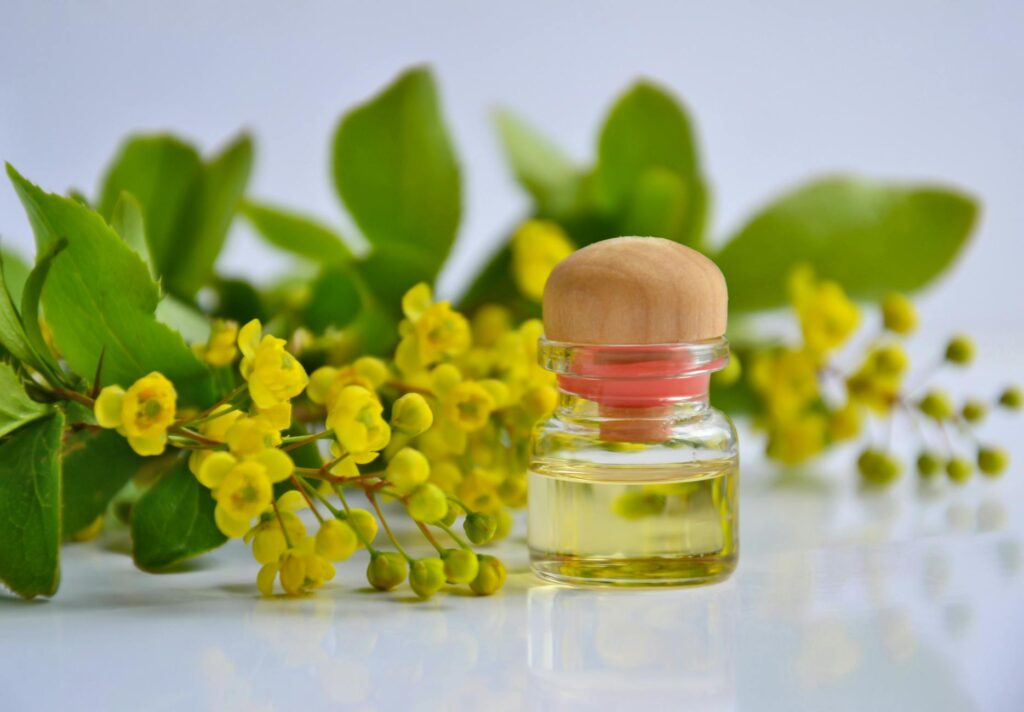
Is Sage Extract Safe? Uses, Benefits, and Precautions
Introduction
Sage extract, derived from the Salvia officinalis plant, has been utilized for centuries in culinary, medicinal, and therapeutic applications. Known for its distinct aroma and flavor, sage is a member of the mint family and is revered for its numerous health benefits and versatile uses. In this article, we will explore the properties of sage extract, its applications, key benefits, safety considerations, and how to store it properly.
What Is Sage Extract?
Sage extract is obtained from the leaves of the sage plant, which can be processed through various methods, including steam distillation, solvent extraction, or cold pressing. The extract is rich in essential oils, flavonoids, and other phytochemicals that contribute to its aromatic and therapeutic properties.
Sage has a long history of use in traditional medicine, particularly in European, Mediterranean, and Asian cultures. It is often associated with cleansing and purifying rituals and has been employed as a culinary herb across various cuisines.
Key Benefits and Properties
1. Antioxidant Properties: Sage extract is rich in antioxidants, which help combat oxidative stress in the body. This can potentially lower the risk of chronic diseases related to oxidative damage.
2. Anti-Inflammatory Effects: The compounds in sage may exhibit anti-inflammatory properties, which can contribute to overall health and well-being.
3. Antimicrobial Activity: Studies have suggested that sage extract may possess antimicrobial properties, making it effective against certain bacteria and fungi.
4. Cognitive Support: Some research indicates that sage may enhance cognitive function and memory, making it a popular choice for those seeking mental clarity and focus.
5. Digestive Aid: Traditionally, sage has been used to support digestion and alleviate gastrointestinal discomfort.
6. Hormonal Balance: Some evidence suggests that sage may help regulate hormonal fluctuations, particularly during menopause.
Common Uses
Sage extract can be found in various forms, including essential oils, tinctures, capsules, and teas. Here are some common uses:
1. Culinary Uses: Fresh or dried sage leaves are often used to flavor meats, poultry, stuffing, and sauces. Sage extract can also be used in marinades and dressings.
2. Herbal Teas: Sage leaves can be steeped in hot water to create a soothing herbal tea, often employed to relieve sore throats or digestive issues.
3. Skincare Products: The antimicrobial and anti-inflammatory properties of sage make it a popular ingredient in skincare formulations, including creams, lotions, and cleansers.
4. Household Cleaners: Sage extract can be incorporated into natural cleaning products due to its antibacterial qualities.
5. Aromatherapy: The aromatic properties of sage make it a favored choice in essential oil blends for diffusers and personal inhalers.
Aromatherapy Applications
Sage essential oil is widely used in aromatherapy due to its uplifting and clarifying scent. It can be incorporated into various practices, such as:
1. Diffusion: Adding a few drops of sage essential oil to a diffuser can create a refreshing atmosphere, promoting mental clarity and focus.
2. Massage: Diluting sage essential oil with a carrier oil and using it in massage can provide a soothing experience while benefiting from its anti-inflammatory properties.
3. Baths: Adding a few drops of sage essential oil to a warm bath can create a relaxing environment, enhancing the overall bathing experience.
4. Inhalation: Inhaling sage oil directly from the bottle or using it in a personal inhaler can help clear the mind and alleviate feelings of stress.
Safety Considerations
While sage extract is generally considered safe for most people, several precautions should be taken into account:
1. Pregnancy and Breastfeeding: Pregnant or breastfeeding individuals should consult a healthcare professional before using sage extract, as high doses may not be safe.
2. Allergies: Those with allergies to plants in the Lamiaceae family (e.g., mint, oregano) should exercise caution and perform a patch test before using sage extract topically.
3. Dosage: As with any herbal supplement, it is essential to adhere to recommended dosages. Excessive consumption of sage extract may lead to adverse effects, including digestive upset or nervous system disturbances.
4. Interactions with Medications: Sage extract may interact with certain medications, particularly those affecting hormonal balance or blood sugar levels. Individuals taking prescription medications should consult a healthcare provider before incorporating sage extract into their routine.
5. Topical Use: When applying sage essential oil topically, it should always be diluted with a carrier oil to minimize the risk of skin irritation.
Storage and Shelf Life
To ensure the longevity and potency of sage extract, proper storage is crucial. Here are some guidelines:
1. Store in a Cool, Dark Place: Sage extract should be kept in a cool, dark area away from direct sunlight to prevent degradation of its active compounds.
2. Use Airtight Containers: Keeping sage extract in airtight containers can help minimize exposure to air and moisture, which can lead to spoilage.
3. Check Expiration Dates: Always check the expiration date on the packaging and discard any expired products to avoid potential adverse effects.
4. Refrigeration: Certain forms of sage extract, such as tinctures or liquid extracts, may benefit from refrigeration to prolong shelf life.
Frequently Asked Questions
1. Is sage extract safe for everyone?
While sage extract is generally safe for most people, it is advisable for pregnant or breastfeeding individuals and those with specific allergies or health conditions to consult a healthcare provider before use.
2. Can sage extract be used topically?
Yes, sage essential oil can be used topically when diluted with a carrier oil. However, a patch test should be performed to check for sensitivity or allergic reactions.
3. What is the best way to use sage extract for aromatherapy?
Sage essential oil can be used in diffusers, added to baths, or diluted for massage. The method of use will depend on personal preference and desired effects.
4. How can I tell if sage extract has gone bad?
Signs of spoilage may include an off smell, changes in color or consistency, or the presence of mold. If any of these signs are present, it is best to discard the product.
5. Are there any known interactions between sage extract and medications?
Sage extract may interact with certain medications, especially those affecting hormonal balance or blood sugar. It is crucial to consult a healthcare provider if you are taking any prescription medications.
Conclusion
Sage extract is a versatile and beneficial botanical with a rich history of use. While it offers numerous advantages in culinary, medicinal, and aromatherapy contexts, it is essential to consider safety precautions and individual circumstances. By understanding the properties and applications of sage extract, individuals can make informed choices about its use in their daily lives. Whether enjoyed as a flavorful culinary herb or utilized in holistic practices, sage continues to hold a significant place in our wellness repertoire.