
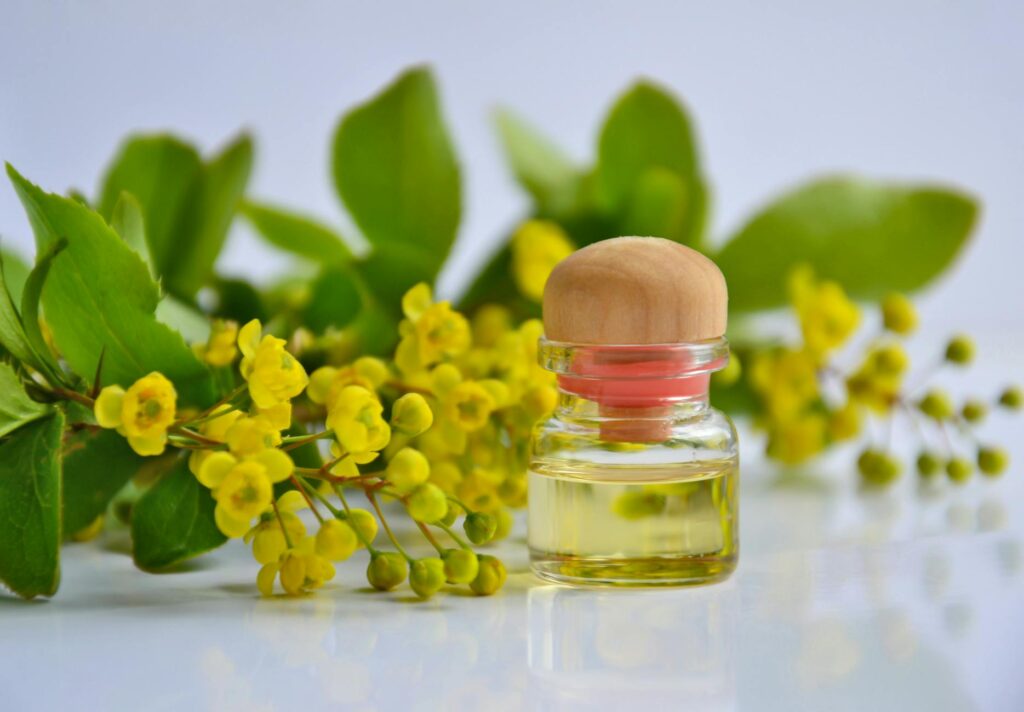
Is Sandalwood Oil Safe? Uses, Benefits and Precautions
Introduction
Sandalwood oil, derived from the heartwood of the Santalum album tree, has been cherished for centuries for its rich fragrance and therapeutic properties. Its historical significance spans various cultures, especially in India and the Middle East, where it has been utilized in religious ceremonies, traditional medicine, and perfumery. The increasing popularity of essential oils and aromatherapy in modern wellness practices has led to heightened interest in sandalwood oil. However, as with all essential oils, understanding its safety, uses, and benefits is paramount for informed application.
What Is Sandalwood Oil Safety?
Sandalwood oil safety refers to the careful consideration of its use, potential effects, and any precautions necessary to avoid adverse reactions. While sandalwood oil is generally regarded as safe for most individuals when used appropriately, there are specific guidelines to follow. The oil’s composition includes various bioactive compounds, such as alpha-santalol and beta-santalol, which are believed to account for many of its beneficial properties. However, understanding individual sensitivities and potential interactions with other substances is crucial.
Key Benefits and Properties
Sandalwood oil boasts a variety of properties that contribute to its therapeutic reputation:
1. Anti-Inflammatory: The oil has been noted for its anti-inflammatory effects, making it a popular choice for soothing irritated skin and other inflammatory conditions.
2. Antiseptic: Sandalwood oil possesses antiseptic properties, which can help prevent infection and promote wound healing.
3. Astringent: This property can be beneficial in toning and tightening the skin, as well as controlling excess oil production.
4. Relaxation and Stress Relief: The calming scent of sandalwood is well-regarded in aromatherapy for its potential to reduce anxiety and promote relaxation.
5. Antioxidant: Sandalwood oil contains compounds that can help neutralize free radicals, potentially reducing oxidative stress in the body.
6. Enhancing Focus: The grounding aroma is thought to enhance concentration and mental clarity, making it a favorite among those seeking to boost productivity.
Common Uses
Sandalwood oil’s versatility allows it to be employed in various applications:
1. Skincare: It is often included in skincare formulations to address issues like acne, dryness, or aging. Its soothing properties can benefit sensitive skin.
2. Perfume: Its warm, woody scent makes it a popular base note in many perfumes and fragrances.
3. Massage Oils: When diluted with a carrier oil, sandalwood oil can enhance massage experiences, promoting relaxation and easing muscle tension.
4. Incense and Rituals: Traditionally, sandalwood has been used in incense, providing a calming atmosphere in spiritual or meditative practices.
5. Hair Care: Some hair care products incorporate sandalwood oil for its potential to promote a healthy scalp and add fragrance.
Aromatherapy Applications
In the realm of aromatherapy, sandalwood oil is primarily used in diffusers, inhalers, or diluted topical applications. Its calming aroma is believed to help with:
1. Meditation: Many practitioners use sandalwood oil during meditation to enhance focus and deepen the meditative state.
2. Stress Relief: Diffusing sandalwood oil can create a tranquil environment, reducing stress levels and promoting emotional well-being.
3. Sleep: Its soothing properties are often leveraged to help ease insomnia and improve sleep quality when diffused in the bedroom.
4. Balancing Emotions: Sandalwood oil is sometimes used in blends aimed at emotional balance, particularly for those experiencing anxiety or emotional upheaval.
Safety Considerations
While sandalwood oil is generally safe for most individuals, certain precautions should be taken:
1. Skin Sensitivity: Always conduct a patch test before using sandalwood oil topically. Dilute with a carrier oil, such as coconut or jojoba oil, to minimize the risk of irritation.
2. Pregnancy and Nursing: Pregnant or nursing individuals should consult a healthcare professional before using sandalwood oil, as limited research is available regarding its safety during these periods.
3. Medication Interactions: Sandalwood oil may interact with certain medications, particularly those affecting the liver. Individuals on medication should seek advice from a healthcare provider.
4. Allergic Reactions: Although rare, some individuals may be allergic to sandalwood oil. Symptoms may include skin rash, itching, or respiratory issues. Discontinue use immediately if any adverse reactions occur.
5. Quality Matters: Ensure the oil is sourced from reputable suppliers. High-quality, pure sandalwood oil is less likely to contain harmful additives or adulterants that could pose safety risks.
Storage and Shelf Life
Proper storage is essential to maintain the quality and efficacy of sandalwood oil:
1. Storage Conditions: Keep sandalwood oil in a cool, dark place, away from direct sunlight and heat. A dark glass bottle is ideal for protecting the oil from light degradation.
2. Shelf Life: When stored correctly, sandalwood oil can last for several years. However, it’s advisable to check for any changes in aroma, color, or consistency before use, as these may indicate that the oil has degraded.
Frequently Asked Questions
1. Can sandalwood oil be ingested?
Ingesting sandalwood oil is generally not recommended unless under the guidance of a qualified healthcare professional. Essential oils can be highly concentrated and may cause adverse effects when consumed.
2. Is sandalwood oil safe for children?
While sandalwood oil can be used safely on children, it should always be diluted with a carrier oil and a patch test should be conducted. Consulting with a pediatrician is advisable before use.
3. How can I incorporate sandalwood oil into my skincare routine?
Sandalwood oil can be blended with carrier oils or incorporated into creams and lotions. It is often added to facial masks or used in spot treatments for acne.
4. What should I do if I experience an allergic reaction to sandalwood oil?
If you suspect an allergic reaction, discontinue use immediately and wash the affected area with soap and water. If symptoms persist, seek medical attention.
5. Is there a difference between sandalwood oil and sandalwood essential oil?
The terms are often used interchangeably, but “sandalwood oil” typically refers to the essential oil extracted from the Santalum album tree. It is important to check product labels and ensure you are using pure essential oil for optimal benefits.
Conclusion
Sandalwood oil is a treasured essence with a rich history and a variety of applications. Its soothing properties and delightful aroma make it a popular choice in aromatherapy and holistic practices. However, understanding its safety considerations and following best practices for use is essential to maximize its benefits while minimizing risks. By approaching sandalwood oil with knowledge and respect, individuals can enjoy its many benefits safely.