
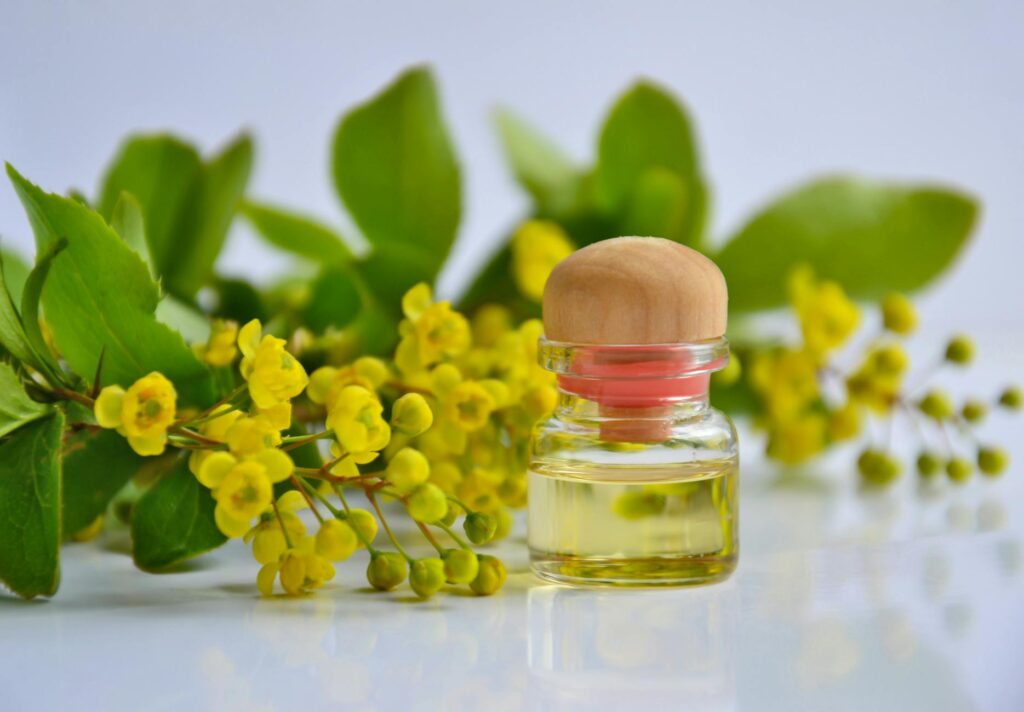
Is Schisandra Extract Safe? Uses, Benefits, and Precautions
Introduction
Schisandra extract, derived from the berries of the Schisandra chinensis plant, has garnered considerable attention in the fields of herbal medicine and aromatherapy. Known for its unique flavor profile and potential health benefits, this extract has been utilized in traditional medicine for centuries, particularly in Chinese herbal practices. In this article, we will explore what Schisandra extract is, its benefits and properties, common uses, applications in aromatherapy, safety considerations, storage recommendations, and frequently asked questions.
What Is Schisandra Extract?
Schisandra chinensis, often referred to as the five-flavor fruit, is a climbing vine native to northeastern China and parts of Russia. Its berries are renowned for their complex flavor, which encompasses sweet, sour, salty, bitter, and pungent notes. This multifaceted flavor is reflective of the diverse array of bioactive compounds present in the fruit, including lignans, vitamins, and antioxidants.
Schisandra extract is typically obtained by soaking or percolating the dried berries in alcohol or water, resulting in a concentrated form that retains many of the plant’s beneficial properties. The extract is often available in liquid form, capsules, or powders.
Key Benefits and Properties
Schisandra extract is attributed with a variety of potential health benefits, primarily due to its rich composition. Some key benefits and properties include:
1. Adaptogenic Properties: Schisandra is classified as an adaptogen, meaning it may help the body cope with stress and promote overall balance.
2. Antioxidant Activity: The extract is rich in lignans, which have antioxidant properties that can help combat oxidative stress in the body.
3. Immune Support: Some studies suggest that Schisandra may enhance immune function, potentially aiding the body in warding off illnesses.
4. Liver Health: Traditionally, Schisandra has been used to support liver function, promoting detoxification and overall liver health.
5. Cognitive Function: Preliminary research indicates that Schisandra may have neuroprotective effects, potentially supporting cognitive function and memory.
6. Skin Health: The antioxidant properties of Schisandra may also benefit skin health, helping to protect against environmental stressors.
While these benefits are promising, it is essential to remember that individual responses to herbal products can vary, and further research is needed to substantiate many of these claims.
Common Uses
Schisandra extract is used in various forms and applications, including:
1. Herbal Supplements: Available in capsules or powders, Schisandra extract is often taken as a dietary supplement.
2. Teas and Infusions: The berries can be brewed into herbal teas, providing a flavorful beverage with potential health benefits.
3. Cosmetic Products: Due to its antioxidant properties, Schisandra extract is increasingly included in skincare formulations, such as serums and creams.
4. Culinary Uses: The dried berries can be used in cooking, imparting a unique flavor to dishes and beverages.
5. Tinctures: Schisandra extract in tincture form is a popular choice for those seeking concentrated benefits.
Aromatherapy Applications
While Schisandra extract is not traditionally associated with aromatherapy like essential oils, it can still play a role in holistic practices. Its adaptogenic and calming properties may lend themselves to a soothing atmosphere when incorporated into aromatherapy blends. Here are some potential applications:
1. Stress Relief: Combined with essential oils known for their calming effects, such as lavender or chamomile, Schisandra extract may enhance relaxation during aromatherapy sessions.
2. Meditation and Mindfulness: The unique aroma of Schisandra, which has a slightly fruity and herbal scent, can create a grounding environment conducive to meditation practices.
3. Personal Care Products: Schisandra extract is sometimes included in homemade or commercial aromatherapy products like lotions, creams, and massage oils to promote overall skin health and well-being.
Safety Considerations
While Schisandra extract is generally regarded as safe for most individuals, there are several important safety considerations to keep in mind:
1. Allergies: Individuals with known allergies to Schisandra or related plants should avoid using the extract.
2. Pregnancy and Breastfeeding: Limited research is available on the safety of Schisandra extract during pregnancy and breastfeeding. It is advisable for expectant and nursing mothers to consult a healthcare provider before use.
3. Medication Interactions: Schisandra may interact with certain medications, particularly those affecting liver function. Individuals taking medications should consult a healthcare professional before incorporating Schisandra extract into their routine.
4. Dosage: Adhering to recommended dosages is crucial. Excessive consumption may lead to gastrointestinal discomfort or other adverse effects.
5. Underlying Health Conditions: Individuals with liver disease or those taking immunosuppressive medications should exercise caution and consult a healthcare provider before using Schisandra extract.
Storage and Shelf Life
To ensure the longevity and efficacy of Schisandra extract, proper storage is essential:
1. Cool, Dry Place: Store the extract in a cool, dark environment, away from direct sunlight and moisture.
2. Sealed Container: Keep the extract in its original container or a well-sealed bottle to prevent contamination.
3. Expiration Date: Always check the expiration date on the packaging. While some extracts may have a longer shelf life, using them within the recommended time frame ensures optimal potency.
4. Refrigeration: If the extract is in liquid form and contains natural preservatives, refrigerating it may prolong its shelf life.
Frequently Asked Questions
1. Is Schisandra extract safe for everyone?
While generally considered safe for most people, individuals with specific allergies, pregnant or breastfeeding women, and those on certain medications should consult a healthcare provider before use.
2. Can Schisandra extract interact with medications?
Yes, Schisandra extract may interact with medications, particularly those metabolized by the liver. It is advisable to consult a healthcare professional if you are taking any medications.
3. How should I take Schisandra extract?
Schisandra extract is available in various forms, including capsules, powders, and tinctures. Follow the recommended dosage on the packaging or consult a healthcare provider for personalized guidance.
4. What does Schisandra extract taste like?
Schisandra berries have a unique flavor profile that encompasses sweet, sour, salty, bitter, and pungent notes. The extract may retain some of these flavors, making it suitable for culinary applications.
5. Are there any side effects of Schisandra extract?
While side effects are uncommon, excessive consumption may lead to gastrointestinal discomfort or other adverse reactions. It’s essential to adhere to recommended dosages.
6. Can Schisandra extract be used in skincare?
Yes, Schisandra extract is increasingly included in skincare products due to its antioxidant properties, which may benefit skin health.
Conclusion
Schisandra extract is a versatile and intriguing herbal product with a wide range of potential benefits and applications. While it has been used for centuries in traditional medicine, modern research continues to explore its properties. As with any herbal supplement or extract, it is important to approach its use with caution, particularly concerning dosage and potential interactions. By understanding its benefits and safety considerations, individuals can make informed decisions about incorporating Schisandra extract into their wellness routines.