
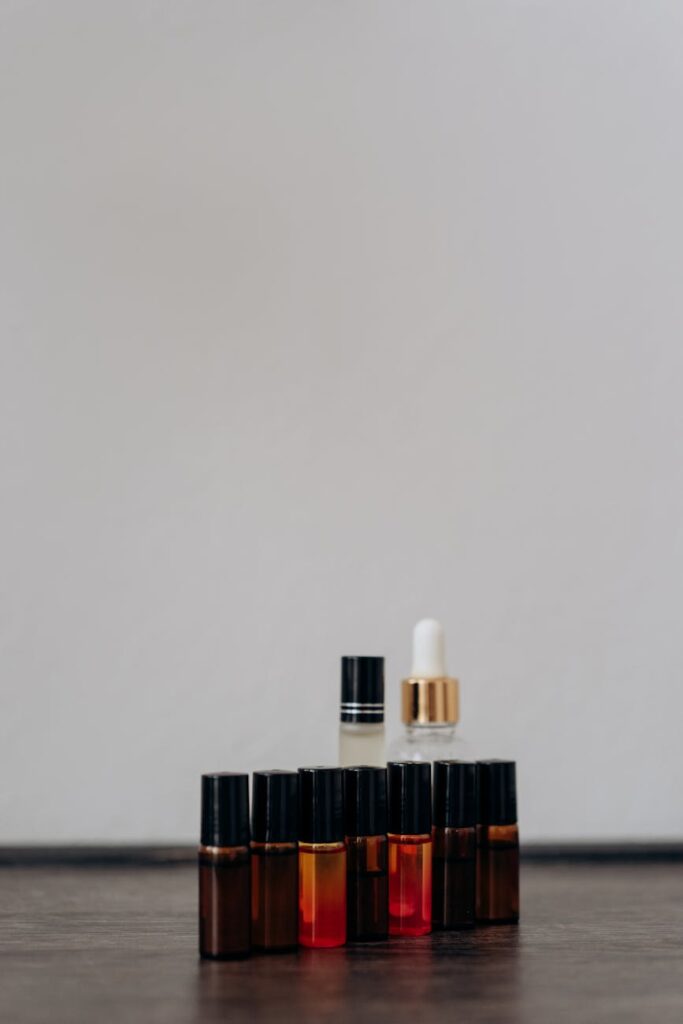
Is Self-Care Blends Safe? Uses, Benefits, and Precautions
Introduction
In recent years, self-care has gained prominence as an essential component of maintaining overall well-being. As individuals seek ways to nurture their mental, emotional, and physical health, self-care blends, particularly those involving essential oils, have emerged as popular remedies. These blends harness the natural properties of aromatic plants and are often used in various holistic practices, including aromatherapy. However, with the increasing interest in self-care blends comes the necessity for a comprehensive understanding of their uses, benefits, and safety considerations.
What Is Self-Care Blends?
Self-care blends refer to combinations of essential oils and carrier oils, formulated to support an individual’s holistic health and well-being. These blends can be used in various applications, including topical use, inhalation, and diffusion. The primary goal of self-care blends is to promote relaxation, reduce stress, enhance mood, and provide a sense of balance in daily life.
Essential oils are concentrated extracts derived from plants, capturing their fragrance and therapeutic properties. When combined with carrier oils, which dilute the potency of essential oils and facilitate safe application on the skin, self-care blends can be customized to address specific needs and preferences.
Key Benefits and Properties
Self-care blends offer a multitude of benefits, largely due to the diverse properties of essential oils. Some of the key benefits include:
1. Stress Reduction: Many essential oils, such as lavender and chamomile, are known for their calming effects, making them ideal for alleviating stress and anxiety.
2. Mood Enhancement: Citrus oils, like bergamot and orange, can uplift the spirit and promote positive emotions.
3. Improved Sleep Quality: Certain oils, including sandalwood and valerian, are recognized for their ability to promote relaxation and improve sleep quality.
4. Pain Relief: Essential oils such as peppermint and eucalyptus may have analgesic properties, offering relief from headaches and muscle tension.
5. Skin Care: Many essential oils possess antimicrobial and anti-inflammatory properties, making them beneficial for skincare applications. Oils like tea tree and geranium can support skin health.
Common Uses
Self-care blends can be employed in various ways, allowing individuals to choose the method that best suits their lifestyle. Common uses include:
1. Massage: Blending essential oils with a carrier oil for massage can enhance relaxation and relieve tension in the body.
2. Diffusion: Using an essential oil diffuser allows for the aromatic properties of the oils to fill a room, creating a calming environment.
3. Baths: Adding self-care blends to bathwater can provide a soothing experience, promoting relaxation and rejuvenation.
4. Inhalation: Direct inhalation from a bottle or through steam inhalation can provide immediate benefits, particularly for stress relief and respiratory support.
5. Topical Applications: Applying diluted self-care blends to pulse points or specific areas of concern can help in addressing localized discomfort or promoting emotional balance.
Aromatherapy Applications
Aromatherapy is the practice of using essential oils to enhance physical and emotional health. Self-care blends are a fundamental aspect of aromatherapy, providing a tailored approach to individual needs. Some common aromatherapy applications of self-care blends include:
- Calming Blends: Combinations of lavender, bergamot, and frankincense can create a serene atmosphere, ideal for meditation or relaxation.
- Energizing Blends: Citrus oils combined with peppermint can invigorate the senses and provide a burst of energy, suitable for use during work or study sessions.
- Sleep Blends: A blend of chamomile, cedarwood, and vetiver may create an ideal environment for sleep, helping individuals unwind before bedtime.
- Focus Blends: Oils such as rosemary and lemon are often used to enhance concentration and mental clarity, making them perfect for study or work.
- Cool, Dark Place: Store essential oils and blends in a cool, dark place away from direct sunlight and heat sources. This helps prevent degradation and loss of aromatic properties.
- Dark Glass Containers: Use dark glass containers for storage, as they protect the oils from light exposure, which can lead to oxidation.
- Labeling: Label containers with the blend’s contents and the date of creation. This practice helps in tracking the freshness and quality of the blend.
Safety Considerations
While self-care blends can offer numerous benefits, safety is paramount when using essential oils. Here are some essential safety considerations:
1. Dilution: Always dilute essential oils with a carrier oil before topical application to reduce the risk of skin irritation. A general guideline is to use a 2-3% dilution (approximately 12-18 drops of essential oil per ounce of carrier oil).
2. Patch Test: Conduct a patch test before using a new blend to check for any allergic reactions or sensitivities. Apply a small amount of the diluted blend to a small area of skin and wait 24 hours for any adverse reactions.
3. Pregnancy and Nursing: Certain essential oils are not recommended for use during pregnancy or nursing. It is essential to consult a qualified professional for guidance.
4. Children and Pets: Many essential oils are not suitable for children or pets. Always research the safety of specific oils before use around these groups.
5. Medical Conditions: Individuals with underlying medical conditions or those taking medication should consult with a healthcare professional before using essential oils.
6. Quality of Oils: Ensure that the essential oils used in self-care blends are of high quality and sourced from reputable suppliers. Pure, therapeutic-grade oils are recommended for safety and efficacy.
Storage and Shelf Life
Proper storage of self-care blends is essential to maintain their potency and effectiveness. Here are some tips for storage:
The shelf life of essential oils varies, but most can last from one to five years when stored properly. However, always check for signs of degradation, such as changes in aroma or consistency, before use.
Frequently Asked Questions
1. Can anyone use self-care blends?
While many individuals can benefit from self-care blends, certain populations, including pregnant women, nursing mothers, children, and pets, may require specific precautions. Always research the oils used and consult a qualified professional if unsure.
2. How do I choose the right blend for my needs?
Identifying your specific needs and preferences is essential in choosing a self-care blend. Consider factors such as desired effects (e.g., relaxation, energy, focus) and personal scent preferences. Experimenting with different blends can aid in finding the most suitable combination.
3. Can self-care blends replace professional medical treatment?
Self-care blends can complement a wellness routine, but they should not be considered a replacement for professional medical treatment. Always consult with a healthcare professional for medical concerns.
4. How can I incorporate self-care blends into my daily routine?
Self-care blends can be easily integrated into daily routines through practices like diffusion during work hours, applying blends before bedtime, or using them in a self-massage session. Establishing a consistent routine can enhance the benefits of these blends.
5. Are there any essential oils to avoid?
Certain essential oils should be avoided due to their potential toxicity or irritant properties. Examples include wintergreen, camphor, and some citrus oils when exposed to sunlight. Always research the specific oils you plan to use.
Conclusion
Self-care blends offer a natural, holistic approach to enhancing well-being and promoting relaxation. With their diverse benefits and applications, they can be valuable tools in a self-care regimen. However, it is crucial to prioritize safety by following recommended guidelines for dilution, storage, and use. By understanding the properties and precautions associated with self-care blends, individuals can safely enjoy the myriad benefits that aromatherapy has to offer.