
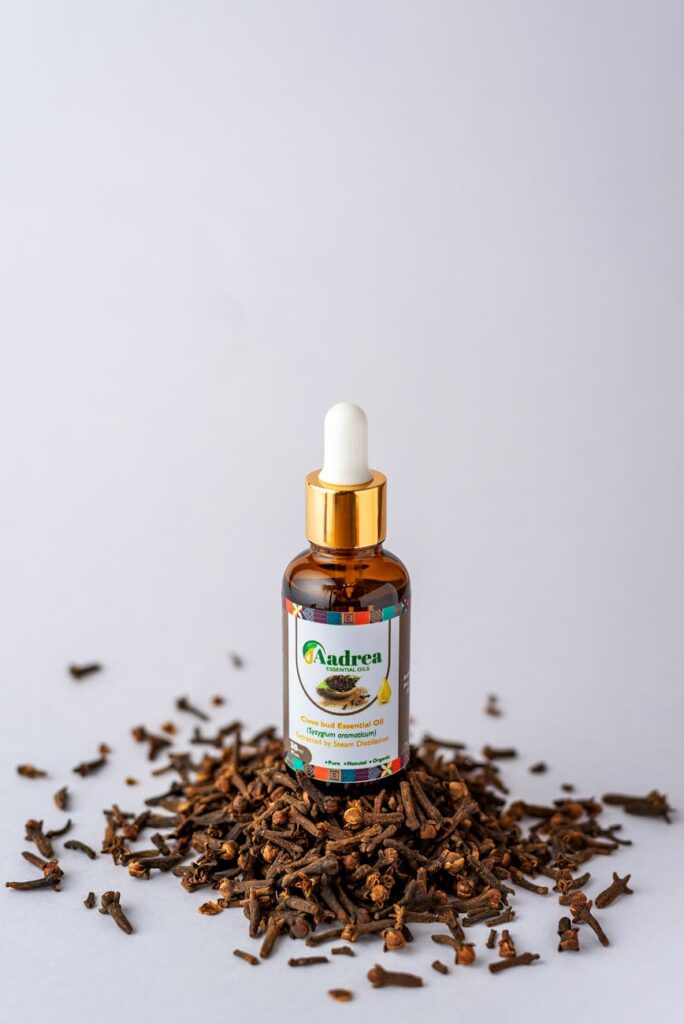
Is Spice Essential Oil Blends Safe? Uses, Benefits and Precautions
Introduction
Essential oils have gained immense popularity in recent years, especially as people seek natural alternatives for wellness and relaxation. Among these, spice essential oil blends are particularly interesting due to their rich aromatic profiles and potential benefits. This article explores what spice essential oil blends are, their benefits and uses, safety considerations, and more, providing a comprehensive overview for those interested in integrating these oils into their lives.
What Is Spice Essential Oil Blends?
Spice essential oil blends are derived from aromatic plants, particularly those that are commonly used as spices in cooking. These oils capture the essence of spices, such as cinnamon, clove, nutmeg, ginger, and cardamom, through a process of steam distillation or cold pressing. The resulting oils are concentrated extracts that retain the characteristic scents and properties of their source plants.
These blends can be used in various forms, such as in diffusers, topical applications, and even in culinary settings. The unique combination of spices in these blends often enhances their therapeutic properties, making them popular in both aromatherapy and holistic practices.
Key Benefits and Properties
Spice essential oils are celebrated not only for their appealing fragrances but also for their potential benefits. Here are some key properties associated with common spice essential oils:
1. Antioxidant Properties: Many spice oils, such as clove and cinnamon, are known to have antioxidant effects. These properties may help protect the body from oxidative stress.
2. Anti-inflammatory: Oils like ginger and turmeric are often noted for their anti-inflammatory benefits, which may contribute to overall wellness.
3. Antimicrobial Effects: Certain spice oils possess antimicrobial properties, helping to inhibit the growth of harmful bacteria and fungi. For example, clove oil has been studied for its antibacterial qualities.
4. Mood Enhancement: The warm, comforting scents of spices like cinnamon and nutmeg can evoke feelings of nostalgia and happiness, potentially aiding in mood elevation and stress relief.
5. Digestive Support: Some spice essential oils, including ginger and cardamom, are traditionally used to support digestive health, although this is often more relevant in culinary use than in aromatherapy.
Common Uses
Spice essential oil blends can be employed in various contexts, including:
- Aromatherapy: Used in diffusers or inhalation to create a calming atmosphere.
- Massage Therapy: Diluted blends can be applied topically to the skin during massage for relaxation or to soothe sore muscles.
- Culinary Uses: Some spice essential oils are food-safe and can be used to enhance the flavor of dishes.
- Home Cleaning: Due to their antimicrobial properties, spice oils can be added to natural cleaning products to help disinfect surfaces.
- Personal Care Products: Many people incorporate spice oils into homemade lotions, soaps, and candles for their fragrance and potential benefits.
- Container: Store essential oils in dark glass bottles to protect them from light, which can degrade the oil.
- Temperature: Keep oils in a cool, dry place, away from direct sunlight and heat sources. Ideal storage conditions are in temperatures ranging from 60°F to 70°F (15°C to 21°C).
- Shelf Life: The shelf life of spice essential oils can vary. Generally, most essential oils retain their potency for one to three years. However, oils with higher levels of antioxidants, like clove or cinnamon, may last longer.
Aromatherapy Applications
In aromatherapy, spice essential oil blends are often utilized to create a specific ambiance or to address emotional well-being. Here are some common applications:
1. Stress Relief: Blends containing cinnamon, clove, or ginger can be diffused in living spaces to promote a calming environment.
2. Focus and Concentration: Oils like rosemary combined with spice oils may enhance cognitive function, making them useful during study or work sessions.
3. Seasonal Affective Disorder (SAD): The warm, comforting scents of spices can help alleviate feelings of sadness or lethargy during colder months.
4. Meditation and Mindfulness: The rich aromas of spice essential oils can enhance meditation practices, helping individuals to focus and ground themselves.
5. Social Gatherings: Diffusing spice blends during gatherings can create an inviting atmosphere, encouraging relaxation and social interaction.
Safety Considerations
While spice essential oil blends can offer numerous benefits, it is essential to approach their use with caution. Here are some important safety considerations:
1. Dilution: Essential oils are highly concentrated and should be diluted before topical application. A typical dilution ratio is 1-3% for adults, which equates to about 1-3 drops of essential oil per teaspoon of carrier oil.
2. Skin Sensitivity: Some individuals may experience skin irritation or allergic reactions to specific spice oils. It is advisable to conduct a patch test before widespread use.
3. Pregnancy and Nursing: Pregnant or nursing women should exercise caution and consult a healthcare professional before using essential oils, as some may not be safe during these periods.
4. Children: Certain spice essential oils may not be suitable for young children. Always consult guidelines specific to child safety when using essential oils around them.
5. Internal Use: While some spice oils are recognized as food-safe, it is crucial to use them sparingly and ensure they are specifically labeled for culinary use. Not all essential oils are safe for ingestion.
6. Medical Conditions: Individuals with specific health conditions or those taking medications should consult with a healthcare provider before incorporating essential oils into their routines.
Storage and Shelf Life
Proper storage of spice essential oils is essential to maintain their efficacy and aroma:
Frequently Asked Questions
1. Can I use spice essential oils directly on my skin?
No, spice essential oils should be diluted with a carrier oil before applying them to the skin to minimize the risk of irritation or allergic reactions.
2. Are all spice essential oils safe for ingestion?
Not all essential oils are safe for consumption. Only those specifically labeled as food-grade should be ingested, and it is advisable to consult a healthcare professional before doing so.
3. How do I choose the right spice essential oil blend for my needs?
Consider the specific benefits you are seeking, such as mood enhancement or digestive support, and select a blend that aligns with those goals. Research the properties of individual oils within the blend to ensure they suit your preferences.
4. Can spice essential oils help with seasonal allergies?
While spice essential oils may provide comfort and emotional support, they should not replace medical treatments for seasonal allergies. Consult a healthcare provider for appropriate management strategies.
5. How can I incorporate spice essential oils into my daily routine?
You can diffuse them in your home, add them to personal care products, or use them in cooking (only if food-safe). Experiment with different applications to find what works best for you.
Conclusion
Spice essential oil blends offer a fascinating intersection of aroma, wellness, and potential therapeutic benefits. While they can enhance our lives in numerous ways, it is crucial to use them safely and thoughtfully. By understanding their properties, uses, and necessary precautions, you can enjoy the delightful and enriching experience that spice essential oils provide, enhancing not only your home environment but also your overall well-being.