
Is Spice Extracts Safe? Uses, Benefits, and Precautions
Introduction
Spice extracts have captivated the interest of individuals seeking natural remedies and enhancements for various aspects of daily life. Derived from the seeds, roots, fruits, or bark of plants, these extracts can provide a myriad of benefits ranging from culinary applications to therapeutic properties. However, as with any natural substance, questions about safety and efficacy arise. This article aims to explore spice extracts in detail, discussing their benefits, common uses, and necessary precautions, ensuring a well-rounded understanding of their role in both culinary and aromatherapy practices.
What Is Spice Extracts?
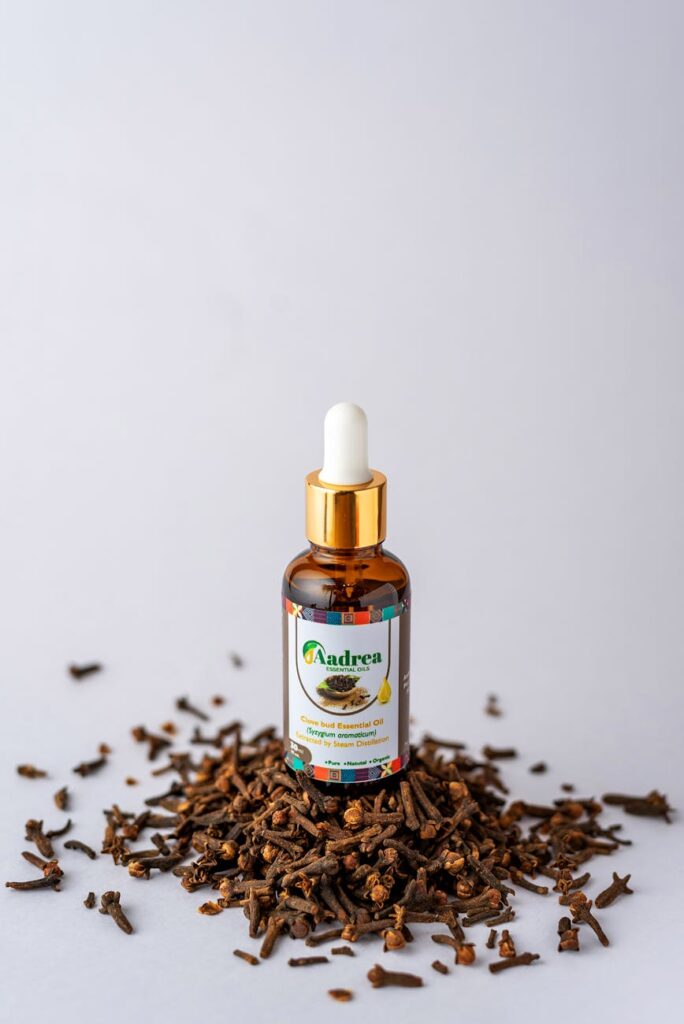
Spice extracts are concentrated forms of spices obtained through various extraction methods, including steam distillation, solvent extraction, or cold pressing. These methods aim to capture the essence of the spice, including its aromatic compounds and active constituents. Common spice extracts include vanilla, clove, cinnamon, and ginger, each known for its distinct flavor profile and potential health benefits.
Spice extracts can be found in different forms, such as essential oils, tinctures, or infused oils. Their potency and concentration vary, making it essential to understand how to utilize them effectively and safely.
Key Benefits and Properties
Spice extracts are rich in various bioactive compounds, which contribute to their potential benefits. Here are some key properties associated with several popular spice extracts:
- Antioxidant Properties: Many spice extracts, like cinnamon and clove, are high in antioxidants, which help neutralize free radicals in the body, potentially reducing oxidative stress.
- Anti-inflammatory Effects: Turmeric extract, for example, contains curcumin, a compound noted for its anti-inflammatory properties, which may support overall wellness.
- Antimicrobial Activity: Clove and oregano extracts have demonstrated antimicrobial properties, making them useful in food preservation and possibly in natural cleaning solutions.
- Digestive Support: Ginger extract is often used for its potential to alleviate digestive discomfort and promote healthy digestion.
- Mood Enhancement: Certain spice extracts, such as vanilla, are believed to have mood-lifting properties due to their pleasant aroma and potential to reduce stress.
- Flavoring Agent: Spice extracts are widely used in cooking and baking to enhance the flavor of dishes. For instance, vanilla extract is a staple in desserts, while cinnamon extract can add warmth to both sweet and savory recipes.
- Food Preservation: Some spice extracts, such as clove and oregano, are utilized for their antimicrobial properties to extend the shelf life of food products.
- Fragrance: Many cosmetic formulations incorporate spice extracts for their delightful aromas. Vanilla and cinnamon extracts are particularly popular in perfumes and scented products.
- Skin Care: Certain extracts may have beneficial effects on the skin, aiding in hydration and providing antioxidant protection.
- Aromatherapy: Spice extracts are often used in aromatherapy to create calming or invigorating atmospheres. For instance, ginger extract may be used for energizing blends, while clove oil can promote relaxation.
- Diffusion: Spice extracts can be diffused in the air to create an inviting ambiance. For example, cinnamon and clove oils are often blended to evoke a warm, cozy atmosphere.
- Topical Application: When properly diluted with a carrier oil, spice extracts can be applied to the skin for localized benefits, such as massage blends infused with ginger or turmeric extracts.
- Bathing: Adding a few drops of spice extracts to bathwater can enhance relaxation and provide a sensory experience.
- Inhalation: Inhaling the aroma of spice extracts may help with emotional balance and stress reduction. This method is often used in personal spaces or during meditation sessions.
- Dilution: Many spice extracts, especially essential oils, must be diluted before topical application to avoid skin irritation or allergic reactions. Generally, a dilution of 1-2% in a carrier oil is recommended.
- Patch Testing: Before applying a spice extract to a larger area of the skin, conduct a patch test by applying a small amount diluted on a less sensitive area to check for any adverse reactions.
- Pregnancy and Nursing: Pregnant or nursing individuals should exercise caution and consult with a healthcare provider before using spice extracts, as some may not be safe during these periods.
- Allergies and Sensitivities: Individuals with known allergies to certain spices should avoid using their extracts. Always read labels carefully and opt for reputable sources.
- Medical Conditions: Those with specific medical conditions or on medication should consult a healthcare professional before using spice extracts, as some may interact with treatments.
- Quality Assurance: Ensure that the spice extracts you use are of high quality and sourced from reputable suppliers. This helps to avoid contamination and ensures the integrity of the product.
- Cool, Dark Place: Store spice extracts in a cool, dark place away from direct sunlight to prevent degradation. A cabinet or pantry is often suitable.
- Tightly Sealed Containers: Ensure that bottles are tightly sealed to minimize exposure to air, which can oxidize the compounds.
- Check Expiry Dates: Most spice extracts have a shelf life ranging from one to three years, but this can vary based on the extraction method and storage conditions. Always check the expiration date before use.
- Refrigeration: Some extracts, particularly those that are less stable, may benefit from refrigeration to prolong their shelf life.
These properties make spice extracts appealing for both culinary and therapeutic applications, although individual effects may vary.
Common Uses
Spice extracts find a myriad of applications across different fields, including culinary, cosmetic, and therapeutic uses:
Culinary Uses
Cosmetic Uses
Therapeutic Uses
Aromatherapy Applications
In aromatherapy, spice extracts are utilized for their aromatic properties and potential therapeutic benefits. Here are some common applications:
While spice extracts can be beneficial in aromatherapy, understanding their properties and effects is crucial for safe and effective use.
Safety Considerations
Safety is paramount when using spice extracts, particularly in concentrated forms. Here are some essential precautions:
Storage and Shelf Life
Proper storage of spice extracts is essential to maintain their quality and efficacy. Here are some tips:
Frequently Asked Questions
Are spice extracts safe for children?
While many spice extracts can be safe for children in diluted forms, it’s crucial to consult with a healthcare provider before introducing them, particularly for those under two years old.
Can I ingest spice extracts?
Some spice extracts are safe for ingestion, particularly culinary extracts like vanilla and cinnamon. However, essential oils should generally not be ingested unless specifically labeled as safe for consumption.
How do I choose a quality spice extract?
Look for products that are organic, pure, and free from synthetic additives. Reputable brands will often provide information about their sourcing and extraction methods.
Can spice extracts interact with medications?
Yes, some spice extracts may interact with medications. It is essential to consult a healthcare provider before using them, especially if you are on prescribed medications.
What is the difference between essential oils and spice extracts?
Essential oils are concentrated extracts obtained through distillation or other methods, while spice extracts can refer to any concentrated form of a spice, including tinctures and infused oils. Essential oils are typically more potent and require careful handling.
Conclusion
Spice extracts offer a rich tapestry of flavor and potential benefits across culinary, cosmetic, and therapeutic realms. While they can enhance our daily lives, understanding their properties and safety considerations is crucial for optimal use. By adhering to proper practices and being informed about the extracts you choose, you can enjoy their benefits safely and effectively. Always remember that individual responses may vary, and what works for one person may not work for another.