
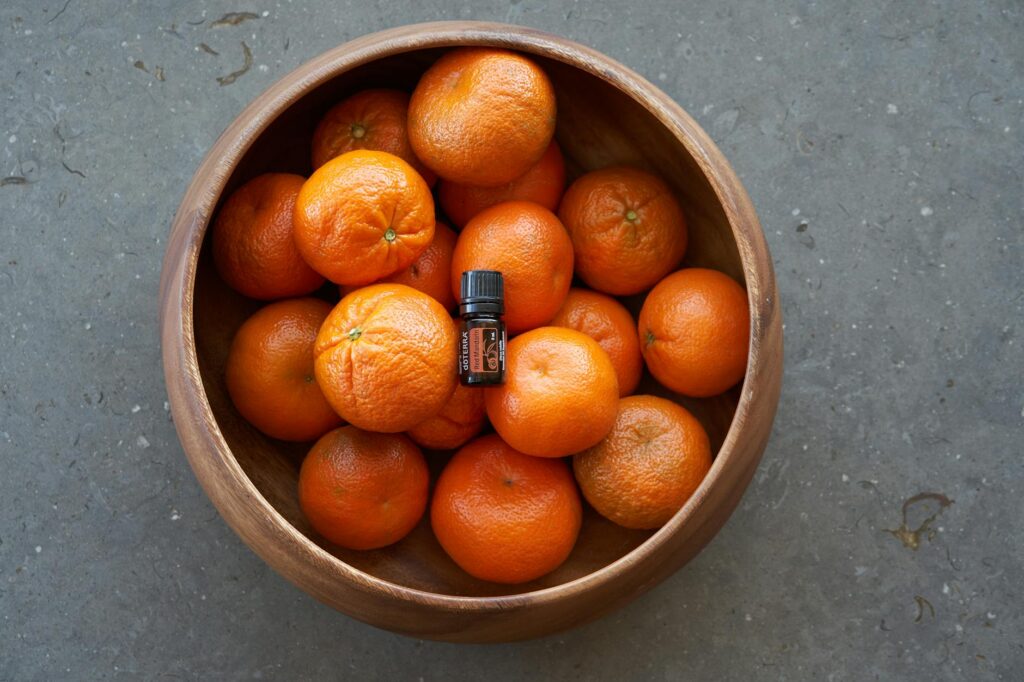
Is Tangerine Oil Safe? Uses, Benefits and Precautions
Introduction
Tangerine oil, derived from the peels of the tangerine fruit (Citrus reticulata), has gained popularity in the fields of aromatherapy and natural health. Known for its sweet, citrusy aroma, this essential oil is cherished not only for its delightful scent but also for its various beneficial properties. As with any essential oil, understanding its uses, benefits, safety considerations, and precautions is crucial for effective and responsible application. This article explores these aspects in detail.
What Is Tangerine Oil?
Tangerine oil is an essential oil extracted through cold pressing the peels of tangerines, a member of the citrus family. The process preserves the oil’s natural compounds, including limonene, alpha-pinene, and myrcene, which contribute to its distinctive aroma and therapeutic properties. The oil is typically characterized by its bright orange color and refreshing scent, making it an appealing addition to various aromatherapy and personal care products.
Key Benefits and Properties
1. Mood Enhancement: Tangerine oil is often associated with uplifting effects. Its bright aroma can promote feelings of happiness and relaxation, making it a popular choice for diffusing during stressful moments.
2. Antioxidant Properties: The presence of limonene and other compounds in tangerine oil may provide antioxidant effects, helping to combat oxidative stress in the body.
3. Digestive Support: Traditionally, citrus oils, including tangerine, have been used to support digestive health. However, this should be approached with caution and consideration of individual needs.
4. Antimicrobial Effects: Some studies suggest that tangerine oil may exhibit antimicrobial properties, potentially aiding in the reduction of certain bacteria and fungi.
5. Skin Nourishment: When properly diluted, tangerine oil can be used in skincare for its potential to improve the appearance of the skin, although it should be noted that citrus oils can increase photosensitivity.
Common Uses
Tangerine oil has a variety of applications, including:
- Aromatherapy: The oil is commonly used in diffusers or inhalers to create a calming and uplifting atmosphere.
- Massage Oil: When blended with a carrier oil, tangerine oil can be incorporated into massage practices to enhance relaxation.
- Household Products: Due to its pleasant scent and potential antimicrobial properties, tangerine oil is sometimes added to cleaning products.
- Personal Care: It may be included in lotions, shampoos, and other personal care items for fragrance and potential skin benefits.
- Diffusion: Adding a few drops of tangerine oil to a diffuser can help create a cheerful and inviting environment. The aroma is often associated with reducing anxiety and stress.
- Inhalation: Direct inhalation of tangerine oil can be beneficial during times of tension or fatigue. A few drops can be placed on a tissue or inhaler for immediate aromatic benefits.
- Massage Blends: When combined with a carrier oil, tangerine oil can be used in massage practices. Its uplifting properties can enhance the overall experience.
- Bath Additive: Adding tangerine oil to bathwater can create a refreshing and soothing experience, although proper dilution is essential.
- Dark Glass Bottles: To protect the oil from light degradation, it is best stored in dark glass bottles that can shield it from UV rays.
- Cool, Dry Place: Keeping the oil in a cool, dry environment helps preserve its properties. Avoid storing it in areas with high heat or humidity.
- Shelf Life: When stored correctly, tangerine oil typically has a shelf life of 1-2 years. Regularly check for any changes in aroma or appearance, as this can indicate degradation.
Aromatherapy Applications
In aromatherapy, tangerine oil is widely used for its ability to promote emotional balance and relaxation. Here are some common applications:
Safety Considerations
While tangerine oil is generally regarded as safe when used appropriately, there are several important safety considerations to keep in mind:
1. Photosensitivity: Citrus oils, including tangerine, can cause skin sensitivity to sunlight. It is advisable to avoid sun exposure for at least 12 hours after topical application.
2. Dilution: Essential oils are potent substances that should be diluted before topical application. A common dilution ratio is 2-3 drops of essential oil per tablespoon of carrier oil.
3. Pregnancy and Nursing: While some sources suggest that tangerine oil is safe during pregnancy, it is always best to consult with a qualified healthcare provider before using any essential oil during this time.
4. Allergies and Sensitivities: Individuals with known sensitivities to citrus fruits should exercise caution and consider conducting a patch test before using tangerine oil topically.
5. Children: Essential oils should be used with care around children. It is advisable to consult with a healthcare professional for age-appropriate use.
Storage and Shelf Life
Proper storage of tangerine oil is essential for maintaining its quality and potency. Here are some key storage tips:
Frequently Asked Questions
1. Can tangerine oil be ingested?
While some essential oils are safe for ingestion, tangerine oil is generally not recommended for internal use without the guidance of a qualified professional.
2. Is tangerine oil safe for children?
Tangerine oil can be used around children, but it is crucial to dilute it properly and consult with a healthcare provider for age-appropriate use.
3. Can tangerine oil be used during pregnancy?
While some sources suggest tangerine oil is safe during pregnancy, it is advisable to consult a healthcare provider before using any essential oil in this context.
4. How can I use tangerine oil in my skincare routine?
Tangerine oil can be added to carrier oils for topical application, but it is important to dilute it properly and conduct a patch test first.
5. How does tangerine oil compare to other citrus oils?
Tangerine oil has a sweeter and less acidic scent than other citrus oils like lemon or orange. Each citrus oil has its unique properties and benefits, making them suitable for different applications.
Conclusion
Tangerine oil is a versatile and delightful essential oil that offers a range of benefits and applications. Its uplifting aroma, potential antioxidant properties, and various uses in aromatherapy and personal care make it a valuable addition to many holistic practices. However, it is essential to use tangerine oil safely and responsibly, considering factors such as dilution, potential photosensitivity, and individual sensitivities. By following proper guidelines, users can enjoy the fragrant and therapeutic qualities of tangerine oil while minimizing risks.