
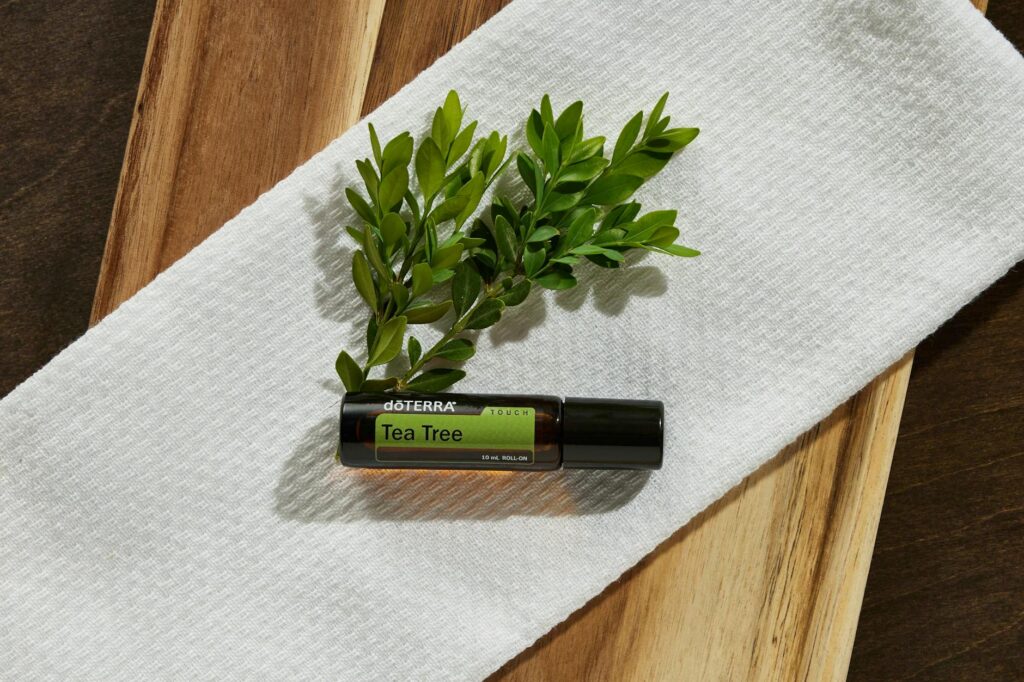
Is Tea Tree Oil Safe? Uses, Benefits and Precautions
Introduction
Tea tree oil, derived from the leaves of the Melaleuca alternifolia, a plant native to Australia, has gained widespread recognition for its numerous applications in personal care and wellness. With its distinctive aroma and diverse properties, tea tree oil is often hailed as a versatile essential oil. However, while many people find value in its use, it is essential to understand its benefits, applications, and safety considerations. This article aims to provide a comprehensive overview of tea tree oil, addressing its uses, benefits, and necessary precautions.
What Is Tea Tree Oil?
Tea tree oil is an essential oil obtained through steam distillation of the leaves of the Melaleuca alternifolia tree. This tree has long been used by Indigenous Australians for its antiseptic properties. The oil is characterized by its clear to pale yellow color and a fresh, camphoraceous scent. Its primary active constituents include terpinen-4-ol, γ-terpinene, and α-terpineol, which are responsible for many of its beneficial properties.
Key Benefits and Properties
Tea tree oil is renowned for its wide array of beneficial properties, making it a popular choice for both personal care and household applications. Some of the key benefits include:
1. Antimicrobial Activity: Tea tree oil possesses significant antibacterial and antifungal properties, making it effective against various pathogens.
2. Anti-inflammatory Effects: The oil can help reduce inflammation, making it useful in soothing irritated skin.
3. Antiseptic Qualities: Traditionally used to treat cuts and minor wounds, tea tree oil can aid in preventing infection.
4. Decongestant Properties: The oil is often used in steam inhalation to relieve respiratory issues due to its ability to help clear nasal passages.
5. Skin Health: Tea tree oil is frequently employed in products aimed at treating acne, dandruff, and other skin conditions due to its ability to calm inflammation and reduce bacteria on the skin.
Common Uses
Tea tree oil’s versatility makes it suitable for various applications. Here are some of the most common uses:
- Skin Care: Incorporated into lotions, creams, and serums to target acne, eczema, and other skin irritations.
- Hair Care: Utilized in shampoos and conditioners to combat dandruff and promote a healthy scalp.
- Household Cleaner: Its antimicrobial properties make it an effective natural disinfectant for household surfaces.
- Oral Care: Some mouthwashes and toothpaste contain tea tree oil due to its antibacterial properties, though it should be used cautiously.
- Personal Care Products: Found in deodorants, soaps, and lotions for its pleasant scent and skin benefits.
- Diffusion: Adding a few drops to a diffuser can help cleanse the air and promote a feeling of well-being.
- Topical Application: When diluted with a carrier oil, tea tree oil can be applied to the skin to harness its soothing benefits.
- Inhalation: Inhaling the oil directly or through steam can help clear respiratory pathways and promote a sense of calm.
Aromatherapy Applications
In aromatherapy, tea tree oil is often used for its purifying and invigorating qualities. It can be diffused in a space to promote mental clarity and enhance mood. Here are some common applications in aromatherapy:
Safety Considerations
While tea tree oil is generally regarded as safe for most people when used correctly, it is essential to consider potential risks and contraindications:
1. Skin Reactions: Tea tree oil can cause skin irritation or allergic reactions in some individuals. It is advisable to perform a patch test on a small area of skin before widespread use.
2. Undiluted Use: Direct application of undiluted tea tree oil on the skin is not recommended. It should always be diluted with a carrier oil for topical applications.
3. Ingestion: Ingesting tea tree oil is not advised, as it can lead to serious side effects, including nausea, vomiting, and confusion.
4. Pregnancy and Nursing: Pregnant or nursing individuals should consult with a healthcare professional before using tea tree oil.
5. Children and Pets: Keep tea tree oil out of reach of children and pets, and consult with a veterinarian before using it around animals.
6. Interactions with Medications: If you are on medication or have underlying health conditions, consider discussing tea tree oil use with a healthcare provider to avoid potential interactions.
Storage and Shelf Life
Tea tree oil should be stored in a cool, dark place, away from direct sunlight and heat sources, to maintain its potency. When stored correctly, tea tree oil can last for about 1 to 2 years. Always ensure the cap is tightly closed to prevent oxidation and evaporation.
Frequently Asked Questions
1. Can tea tree oil be used for all skin types?
Tea tree oil can be beneficial for various skin types, particularly oily and acne-prone skin. However, individuals with sensitive skin should exercise caution and conduct a patch test before use.
2. Is tea tree oil effective against acne?
Many people find tea tree oil helpful in managing acne due to its antibacterial and anti-inflammatory properties. However, results can vary from person to person.
3. Can I use tea tree oil in my hair?
Yes, tea tree oil can be used in hair care products to help reduce dandruff and promote a healthy scalp. Diluting it with a carrier oil or using it in shampoos is recommended.
4. How can I incorporate tea tree oil into my cleaning routine?
Tea tree oil can be added to homemade cleaning solutions for surfaces, laundry, and even as a natural disinfectant for the air when diffused.
5. Is it safe to use tea tree oil around pets?
Caution is advised when using tea tree oil around pets. Some animals may be sensitive to essential oils, and it’s best to consult with a veterinarian for safe usage.
6. How do I dilute tea tree oil for topical use?
A common dilution ratio is 1-2 drops of tea tree oil per teaspoon of carrier oil, such as coconut oil, jojoba oil, or almond oil.
Conclusion
Tea tree oil is a remarkable essential oil with a rich history of use and a variety of applications. Its antimicrobial, anti-inflammatory, and antiseptic properties make it a valuable addition to personal care and household products. However, it is crucial to use tea tree oil safely and to be aware of potential reactions. By adhering to best practices in storage and application, individuals can enjoy the benefits of tea tree oil while minimizing risks. Always consult with a professional if you have any concerns about its use, particularly for specific health conditions or in vulnerable populations.