
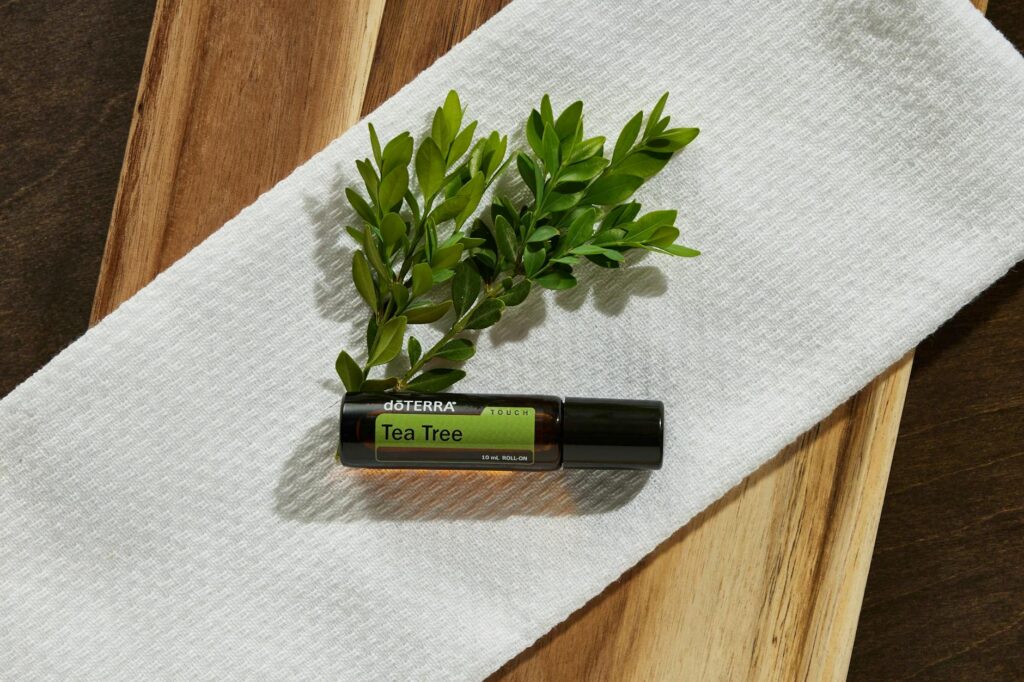
Is Tea Tree Oil Safe? Uses, Benefits, and Precautions
Introduction
Tea tree oil, derived from the leaves of the Melaleuca alternifolia tree native to Australia, has garnered significant attention for its wide range of applications and potential benefits. Traditionally used by Indigenous Australians for centuries, tea tree oil is now a staple in the realms of aromatherapy, skincare, and natural remedies. However, like any essential oil, understanding its safety, uses, and precautions is crucial for effective and responsible application. This article aims to provide a comprehensive overview of tea tree oil, including its benefits, common uses, and safety considerations.
What Is Tea Tree Oil Safety?
Tea tree oil is a volatile essential oil containing various compounds, including terpenes, which contribute to its antimicrobial properties. While many people use tea tree oil without adverse effects, it is essential to recognize that undiluted essential oils can be potent and may cause skin irritation or allergic reactions in some individuals. As with any natural product, safety considerations are paramount, particularly for those with sensitive skin, allergies, or specific health conditions.
Key Benefits and Properties
Tea tree oil is renowned for several key benefits:
1. Antimicrobial Properties: Numerous studies suggest that tea tree oil possesses antibacterial, antifungal, and antiviral properties, making it a popular choice for combating infections and promoting skin health.
2. Anti-inflammatory Effects: The oil may help soothe inflammation, making it beneficial for conditions such as acne or eczema.
3. Antiseptic Qualities: It is often used in topical applications to help cleanse wounds and prevent infection.
4. Deodorizing Ability: The oil’s fresh scent and antimicrobial properties also make it effective as a natural deodorizer.
5. Insect Repellent: Some individuals use tea tree oil as a natural insect repellent, although its effectiveness can vary.
Common Uses
Tea tree oil’s versatility contributes to its popularity across various sectors:
1. Skincare: Often included in skincare products, tea tree oil is effective against acne and can help reduce the appearance of blemishes. It may also be used to soothe minor cuts and insect bites.
2. Hair Care: Many shampoos and conditioners incorporate tea tree oil for its antifungal properties, particularly in addressing dandruff and scalp issues.
3. Household Cleaning: Due to its antimicrobial qualities, tea tree oil can be used in homemade cleaning solutions to disinfect surfaces.
4. Aromatherapy: When used in diffusers, tea tree oil can purify the air and promote a calming atmosphere.
5. Natural Remedies: Some individuals use tea tree oil in homemade remedies, including ointments and salves for minor skin irritations.
Aromatherapy Applications
In the realm of aromatherapy, tea tree oil is often employed for its invigorating and cleansing properties. It can be used in various ways:
1. Diffusion: Adding a few drops of tea tree oil to a diffuser can help purify the air in a space, providing a refreshing atmosphere.
2. Inhalation: Inhaling the oil directly or from a bowl of hot water may help clear nasal passages and promote easier breathing.
3. Massage: When diluted with a carrier oil, tea tree oil can be used in massage to relieve muscle tension and promote relaxation.
4. Bath Additive: A few drops added to a warm bath can create a soothing experience, although it is advisable to mix it with a carrier oil to avoid skin irritation.
Safety Considerations
While tea tree oil is generally regarded as safe for many uses, there are important safety considerations to keep in mind:
1. Dilution: Always dilute tea tree oil with a carrier oil (such as jojoba, coconut, or olive oil) before applying it to the skin. A common dilution ratio is 1-2 drops of tea tree oil per teaspoon of carrier oil.
2. Patch Test: Conduct a patch test before using tea tree oil, especially for the first time. Apply a small amount of diluted oil on a discreet area of skin and wait 24 hours to see if any irritation occurs.
3. Sensitive Populations: Pregnant or nursing women, young children, and individuals with specific health conditions should consult a healthcare professional before using tea tree oil.
4. Avoid Ingestion: Tea tree oil is for external use only. Ingesting the oil can lead to serious side effects, including nausea, vomiting, and confusion.
5. Allergic Reactions: Some individuals may be allergic to tea tree oil. Symptoms can include redness, itching, or swelling at the application site. If any of these symptoms occur, discontinue use immediately.
6. Interactions with Medications: Tea tree oil may interact with certain medications. Always consult with a healthcare provider if you are on medication or have existing medical conditions.
Storage and Shelf Life
Proper storage of tea tree oil is essential to maintain its efficacy:
1. Storage Conditions: Store tea tree oil in a cool, dark place to protect it from light and heat, which can degrade its quality.
2. Container: Use brown or blue glass bottles, as these help protect the oil from UV light, which can alter its properties.
3. Shelf Life: Generally, tea tree oil has a shelf life of about 1-2 years when stored correctly. However, always check for changes in color, consistency, or smell before use.
Frequently Asked Questions
1. Can tea tree oil be used on all skin types?
- While tea tree oil is beneficial for many skin types, those with sensitive skin should exercise caution and perform a patch test first.
- Tea tree oil can be used on children, but it should always be diluted and used with caution. Consult a healthcare professional for guidance.
- Tea tree oil is commonly used for acne due to its antimicrobial and anti-inflammatory properties. However, individual results may vary.
- While some pet owners use tea tree oil for their animals, it should be used with caution. Always consult a veterinarian before using any essential oils on pets.
- Yes, tea tree oil can be added to shampoos or conditioners to address scalp issues such as dandruff. Always dilute it first.
2. Is tea tree oil safe for children?
3. Can tea tree oil help with acne?
4. Is tea tree oil safe for pets?
5. Can I use tea tree oil in my hair?
Conclusion
Tea tree oil is a powerful essential oil with a plethora of uses and benefits. When used responsibly and safely, it can enhance self-care routines, promote skincare, and contribute to a healthier living environment. However, understanding its properties and potential risks is essential for safe application. Always prioritize safety by diluting the oil, conducting patch tests, and consulting with healthcare professionals when necessary. As with any natural product, informed use is key to enjoying the myriad benefits tea tree oil has to offer.