
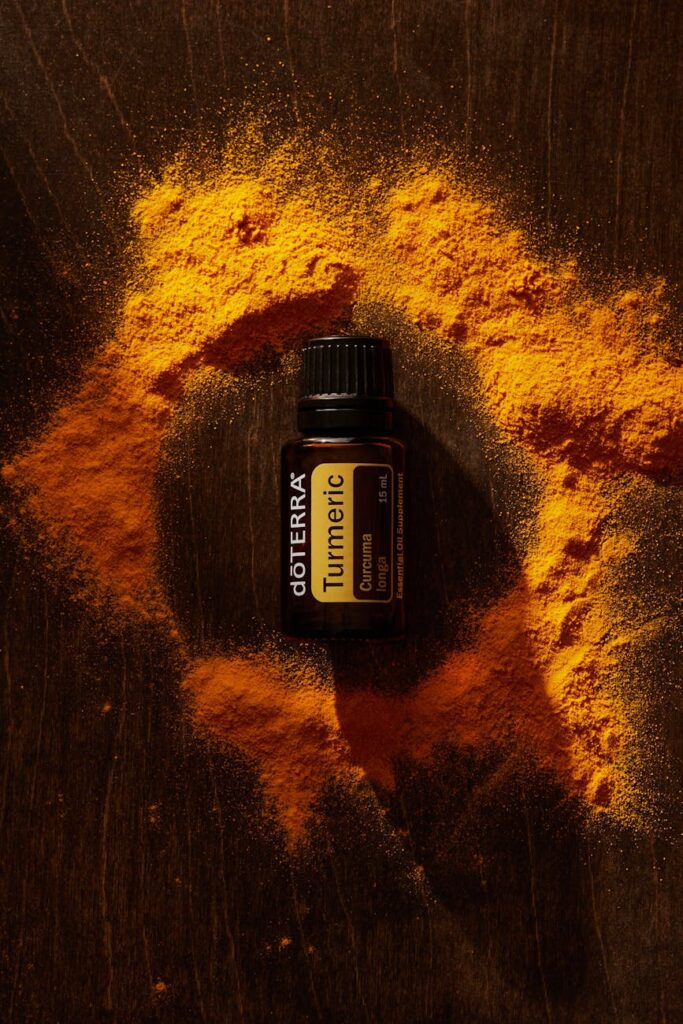
Is Turmeric Extract Safe? Uses, Benefits, and Precautions
Introduction
Turmeric, a vibrant yellow spice with a long history in traditional medicine, has recently gained popularity in the fields of nutrition, wellness, and aromatherapy. Extracted from the Curcuma longa plant, turmeric extract is celebrated for its potential health benefits and aromatic properties. However, as with any herbal product, understanding its uses, benefits, and safety considerations is essential for informed use. This article explores the various aspects of turmeric extract, from its definition to its applications in aromatherapy.
What Is Turmeric Extract?
Turmeric extract is derived from the rhizomes (underground stems) of the turmeric plant. The primary bioactive compound in turmeric is curcumin, which is responsible for many of its purported health benefits and distinctive yellow color. Turmeric extract is typically obtained through various methods, including solvent extraction, steam distillation, or cold pressing, with each method rendering different concentrations of curcumin and other essential oils.
In the context of essential oils, turmeric extract can be found in various forms, including capsules, powders, oils, and tinctures. The concentration of curcumin and other compounds varies based on the extraction method and the specific product.
Key Benefits and Properties
Turmeric extract is often associated with a variety of health benefits due to its bioactive compounds, particularly curcumin. Some of the key properties include:
- Anti-Inflammatory: Curcumin is known for its anti-inflammatory properties, which may help alleviate symptoms related to various inflammatory conditions.
- Antioxidant: Turmeric extract contains powerful antioxidants that can help combat oxidative stress and protect cells from damage.
- Digestive Support: Traditionally used to support digestion, turmeric may aid in digestion and promote gut health.
- Mood Enhancement: Some studies suggest that curcumin may have mood-boosting properties, potentially influencing neurotransmitter levels.
- Skin Health: Due to its anti-inflammatory and antioxidant properties, turmeric extract is often included in topical applications for skin health.
- Diffusion: When diffused, turmeric extract can create a warm, earthy aroma that may promote a sense of calm and grounding.
- Massage Oils: Blended with carrier oils, turmeric extract can be used in massage to potentially alleviate muscle soreness or tension.
- Bath Products: Adding turmeric extract to bath products can create a soothing and aromatic experience while also potentially enhancing skin health.
- Inhalation: Inhaling the aroma of turmeric extract may provide sensory benefits and promote relaxation.
- Allergies and Sensitivities: Some individuals may experience allergic reactions to turmeric. Symptoms may include skin irritation, rash, or gastrointestinal discomfort. It is advisable to discontinue use if any adverse reactions occur.
- Pregnancy and Breastfeeding: Pregnant or breastfeeding individuals should consult a healthcare professional before using turmeric extract, as its effects during these periods are not fully understood.
- Medication Interactions: Turmeric may interact with certain medications, including blood thinners and anti-diabetic drugs. Individuals on prescribed medications should consult with a healthcare provider before incorporating turmeric extract into their routine.
- Dosage: Adhering to recommended dosages is important, especially when using supplements. High doses of turmeric can lead to gastrointestinal issues such as nausea or diarrhea.
- Underlying Health Conditions: Individuals with gallbladder problems or certain health conditions should exercise caution when using turmeric extract.
- Cool, Dark Place: Store turmeric extract in a cool, dark place away from direct sunlight, heat, and moisture. This helps prevent degradation of the active compounds.
- Airtight Containers: Keeping the extract in airtight containers can protect it from oxidation and moisture.
- Check Expiry Dates: Always check the expiry date on packaged products to ensure safety and efficacy.
- Signs of Spoilage: If the extract has an off smell, unusual color, or changes in texture, it is best to discard it.
While these benefits are widely discussed, it is important to note that scientific research on turmeric extract is ongoing, and not all claims are universally accepted within the medical community.
Common Uses
The uses of turmeric extract are diverse and can be categorized as follows:
1. Culinary Applications: Turmeric is a staple in many cuisines worldwide, particularly in Indian cooking. It is commonly used in curries, rice dishes, and teas.
2. Nutritional Supplements: Turmeric extract is available in various supplement forms, including capsules and powders, often combined with black pepper (piperine) to enhance absorption.
3. Topical Applications: Turmeric extract is used in skincare products for its potential benefits in reducing inflammation and improving skin appearance.
4. Natural Remedies: Many people use turmeric extract as a natural remedy for various ailments, including digestive issues and skin conditions.
Aromatherapy Applications
In aromatherapy, turmeric extract can be utilized in several ways, often combined with other essential oils to enhance therapeutic effects. Some common applications include:
While turmeric extract is often well-tolerated, it is recommended to conduct a patch test when using it topically to ensure no adverse reactions occur.
Safety Considerations
While turmeric extract is generally considered safe for most individuals, there are several safety considerations to keep in mind:
Storage and Shelf Life
Proper storage of turmeric extract is crucial to maintain its potency and effectiveness. Here are some guidelines:
Typically, turmeric extract can last for several months to a few years, depending on the form and storage conditions.
Frequently Asked Questions
1. Is turmeric extract safe for everyone?
While turmeric extract is generally safe for most people, individuals with allergies, pregnant or breastfeeding women, and those on specific medications should consult a healthcare professional before use.
2. What are the side effects of turmeric extract?
Some individuals may experience gastrointestinal discomfort, such as nausea or diarrhea, especially when taking high doses. Allergic reactions are also possible in sensitive individuals.
3. How should I use turmeric extract in cooking?
Turmeric extract can be used in various culinary applications, from seasoning dishes to adding it to smoothies or teas. It is often combined with black pepper for better absorption.
4. Can I use turmeric extract topically?
Yes, turmeric extract can be used topically when mixed with carrier oils or in skincare products. A patch test is recommended to check for sensitivity.
5. How long does turmeric extract last?
When stored properly in a cool, dark place in airtight containers, turmeric extract can last from several months to a few years. Always check for signs of spoilage.
Conclusion
Turmeric extract is a versatile and beneficial natural product with a rich history of use in culinary, nutritional, and aromatherapy contexts. While it offers numerous potential benefits, it is essential to be aware of safety considerations and to use it responsibly. By understanding its properties, applications, and precautions, individuals can make informed decisions about incorporating turmeric extract into their lifestyles.