
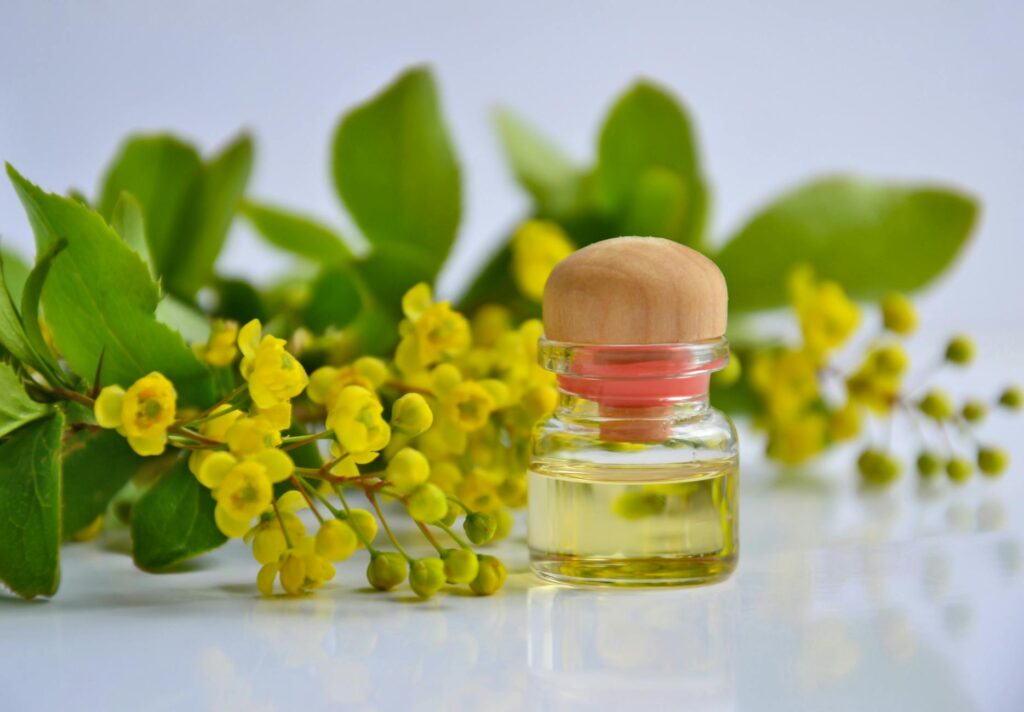
Is Walnut Oil Safe? Uses, Benefits, and Precautions
Introduction
Walnut oil, derived from the nuts of the walnut tree (Juglans regia), has been used for centuries as a culinary ingredient and a traditional remedy in various cultures. Its unique flavor and rich nutritional profile make it a popular choice in cooking, while its potential benefits in skincare and aromatherapy have garnered attention in holistic practices. This article explores the safety, uses, benefits, and precautions associated with walnut oil, providing a comprehensive understanding for those interested in incorporating it into their lives.
What Is Walnut Oil?
Walnut oil is extracted from the nuts of the walnut tree, which is native to regions of Europe and Asia. The oil can be obtained through cold-pressing or refined methods. Cold-pressed walnut oil retains more of its natural flavor, aroma, and nutritional properties, while refined walnut oil has a milder taste and longer shelf life.
The oil is rich in essential fatty acids, particularly alpha-linolenic acid (ALA), an omega-3 fatty acid, and is a source of antioxidants, vitamins, and minerals. Its distinct nutty flavor makes it a favored choice in salad dressings, marinades, and as a finishing oil for various dishes.
Key Benefits and Properties
Nutritional Profile
Walnut oil is a nutrient-dense oil containing:
- Omega-3 Fatty Acids: Known for supporting heart health and reducing inflammation.
- Antioxidants: Such as vitamin E, which may help protect cells from oxidative stress.
- Minerals: Including magnesium, phosphorus, and potassium, essential for overall health.
- Dressing: It can be combined with vinegar, herbs, and spices for a flavorful salad dressing.
- Marinades: Walnut oil can be used to marinate meats and vegetables, imparting a rich flavor.
- Finishing Oil: Drizzling walnut oil over cooked dishes can elevate their taste and presentation.
- Baking: It can be used in baking recipes to add moisture and flavor to baked goods.
- Moisturizers: It is included in creams and lotions to enhance hydration.
- Massage Oils: Walnut oil can be used as a base for massage oils due to its smooth texture and nourishing properties.
- Facial Oils: It is sometimes blended with essential oils for facial treatments.
- Conditioners: It acts as a moisturizing agent, helping to nourish dry hair.
- Hair Masks: Walnut oil can be used in DIY hair masks to promote shine and manageability.
- Store in a Cool, Dark Place: Exposure to light and heat can lead to rancidity, so it is best to keep walnut oil in a dark glass bottle in a cool cupboard or refrigerator.
- Seal Tightly: Ensure the bottle is tightly sealed to prevent oxidation.
- Check Expiration Date: Always check the expiration date on the bottle and discard any oil that has developed an off smell or flavor.
Skin Health
Walnut oil is often praised for its benefits in skincare. Its emollient properties help to moisturize and nourish the skin, making it suitable for dry or sensitive skin. The oil’s anti-inflammatory properties may also help soothe conditions like eczema or psoriasis.
Hair Care
In hair care, walnut oil is believed to provide hydration and shine to hair, making it a popular ingredient in hair treatments and conditioners. Its fatty acids can help improve hair’s elasticity and reduce breakage.
Culinary Uses
Walnut oil is celebrated for its rich, nutty flavor, which enhances the taste of various dishes. It is often used in salad dressings, drizzled over roasted vegetables, or added to baked goods.
Common Uses
Culinary Applications
Walnut oil is versatile in the kitchen. Common uses include:
Skincare
In skincare, walnut oil is often used in:
Hair Care
In hair care products, walnut oil may be found in:
Aromatherapy Applications
While walnut oil is primarily recognized for its culinary and skincare benefits, it can also play a role in aromatherapy. However, it is essential to understand that walnut oil is not typically used as a carrier oil for essential oils due to its heavy texture and potential for skin sensitivity. Instead, it may be used in specific blends aimed at achieving skin nourishment or enhancing relaxation during massage.
Aromatherapists may incorporate walnut oil in formulations designed for topical application, combining it with essential oils that promote relaxation or rejuvenation. However, care should be taken to conduct a patch test to ensure there is no adverse reaction.
Safety Considerations
Allergies
Individuals with nut allergies should exercise caution when using walnut oil. Allergic reactions can range from mild skin irritations to severe anaphylactic responses. It is essential to consult with a healthcare professional if you have a known nut allergy before using walnut oil.
Skin Sensitivity
While walnut oil is generally considered safe for topical use, some individuals with sensitive skin may experience irritation. It is advisable to conduct a patch test by applying a small amount of oil to a discreet area of skin and observing for any adverse reactions.
Internal Consumption
For culinary use, walnut oil is safe for most individuals when consumed in moderation. However, it is advisable to consult with a healthcare provider if you have specific dietary restrictions or health concerns.
Pregnancy and Nursing
Pregnant or nursing individuals should consult with a healthcare professional before incorporating walnut oil into their diet or skincare routine, as individual needs and sensitivities can vary.
Storage and Shelf Life
Proper storage of walnut oil is crucial to maintain its quality and extend its shelf life. To ensure the oil remains fresh:
Generally, walnut oil has a shelf life of about 6 to 12 months when stored properly.
Frequently Asked Questions
Is walnut oil suitable for cooking?
Yes, walnut oil is suitable for cooking, particularly for salad dressings and as a finishing oil. However, it is not recommended for high-heat cooking, as it has a low smoke point and may degrade at high temperatures.
Can walnut oil be used for all skin types?
While walnut oil is beneficial for many skin types, individuals with nut allergies or sensitive skin should exercise caution. A patch test is recommended before using it on larger areas of the skin.
Does walnut oil have any side effects?
Walnut oil may cause allergic reactions in individuals with nut allergies. Additionally, some people with sensitive skin may experience irritation. Always consult a healthcare professional if you have concerns.
How can I incorporate walnut oil into my diet?
Walnut oil can be used in salad dressings, drizzled over vegetables, or added to baked goods. Its rich flavor makes it a versatile ingredient in various culinary applications.
Is walnut oil good for hair?
Yes, walnut oil can provide hydration and shine to hair, making it a popular ingredient in hair care products. It can also be used in DIY hair masks for added nourishment.
Conclusion
Walnut oil is a versatile oil with a range of culinary, skincare, and potential aromatherapy applications. While it offers numerous benefits due to its rich nutritional profile, it is essential to consider safety precautions, especially for individuals with nut allergies or sensitive skin. By understanding the uses, benefits, and proper storage of walnut oil, individuals can make informed choices about incorporating this oil into their daily routines.