
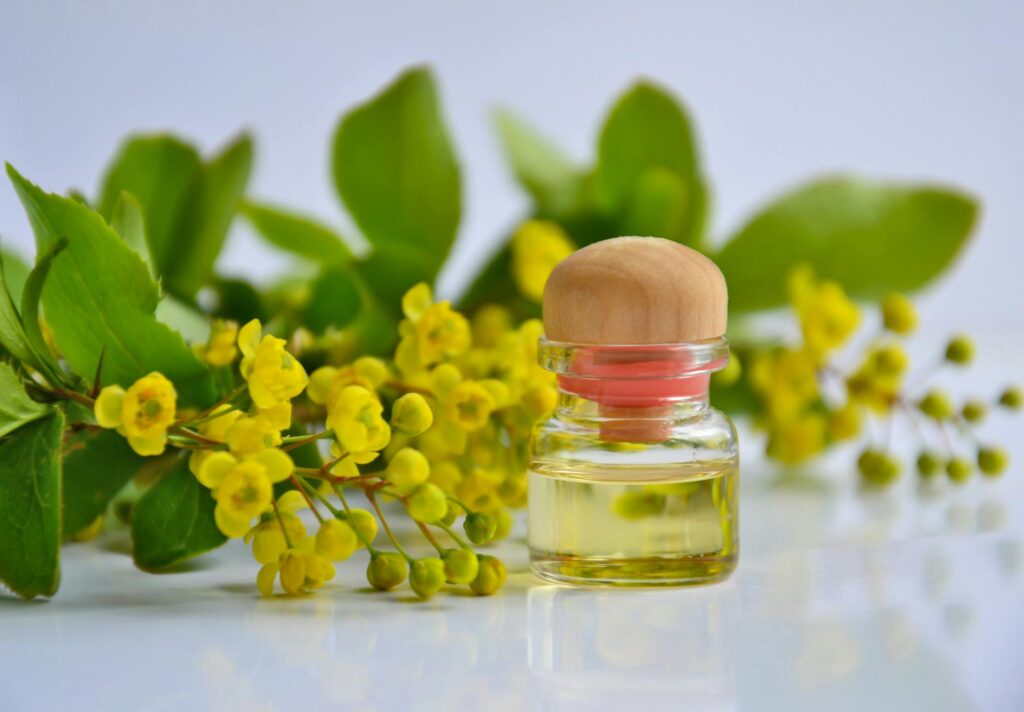
Is Woodsy Extracts Safe? Uses, Benefits, and Precautions
Introduction
Woodsy extracts, derived from various trees and woody plants, have been utilized in traditional practices and modern wellness regimes for centuries. Known for their unique aromatic profiles, these extracts are celebrated not only for their scent but also for their potential benefits in aromatherapy and holistic wellness. This article aims to explore the nature of woodsy extracts, their benefits, common applications, and essential safety considerations.
What Is Woodsy Extracts?
Woodsy extracts are concentrated essential oils obtained from the bark, leaves, or wood of various tree species. Common sources include cedarwood, pine, sandalwood, and fir. These extracts capture the aromatic qualities of their source plants, often containing a complex blend of chemical compounds that contribute to their unique fragrances and properties.
The extraction methods can vary, including steam distillation, cold pressing, or solvent extraction, each influencing the final composition and quality of the oil. Woodsy extracts are characterized by their grounding, earthy aromas, which can evoke feelings of tranquility and connection to nature.
Key Benefits and Properties
Woodsy extracts possess a range of properties that can contribute to emotional and physical well-being. Some key benefits include:
1. Grounding Effect: The deep, rich scents of woodsy oils are often associated with grounding and stability, making them ideal for meditation and stress relief.
2. Antimicrobial Properties: Certain woodsy extracts, such as cedarwood and pine, exhibit antimicrobial qualities, which can help purify the air and provide a sense of cleanliness.
3. Insect Repellent: Some woodsy oils are known for their insect-repellent properties, making them useful in natural pest control.
4. Mood Enhancer: The aromatic compounds in woodsy extracts can influence mood and emotional well-being, promoting relaxation and reducing anxiety.
5. Respiratory Support: Woodsy scents are often used to ease respiratory discomfort, although this benefit should be approached with caution and not as a substitute for medical treatment.
Common Uses
Woodsy extracts are versatile and can be found in various products and applications, including:
- Aromatherapy Diffusers: Many people use woodsy oils in diffusers to create a calming and inviting atmosphere in their homes or workplaces.
- Massage Oils: When diluted with carrier oils, woodsy extracts can be used in massage therapies, promoting relaxation and easing tension.
- Household Cleaners: Due to their antimicrobial properties, woodsy oils can be incorporated into natural cleaning products.
- Candles and Incense: Woodsy scents are popular in candles and incense, providing a cozy ambiance and evoking a sense of being in nature.
- Skincare: Some woodsy extracts are included in skincare products for their soothing and balancing properties.
- Meditation and Mindfulness: Using woodsy oils during meditation can enhance the experience, helping individuals feel more grounded and connected.
- Stress Relief: Adding a few drops of woodsy oil to a warm bath or diffuser can create a tranquil environment, promoting relaxation.
- Sleep Aid: Certain woodsy scents, particularly cedarwood and sandalwood, are believed to support restful sleep when used in a nighttime routine.
- Emotional Balance: Woodsy extracts can assist in emotional grounding, making them beneficial for those experiencing anxiety or stress.
- Keep in a Cool, Dark Place: Store essential oils in a cool, dark environment, away from direct sunlight and heat sources. This helps to preserve their aromatic qualities.
- Tightly Sealed Containers: Ensure that bottles are tightly sealed to prevent oxidation, which can degrade the oil over time.
- Check Expiry Dates: Essential oils do have a shelf life, generally ranging from one to five years, depending on the type and storage conditions. Regularly check expiry dates and discard any oils that have changed in color or scent.
Aromatherapy Applications
In aromatherapy, woodsy extracts are often employed for their calming and grounding effects. Here are several common applications:
Safety Considerations
While woodsy extracts are generally considered safe for use, certain precautions should be taken to ensure a positive experience:
1. Dilution: Essential oils should always be diluted with a carrier oil before applying them to the skin. This helps to prevent skin irritation and sensitization.
2. Patch Test: Before using a new woodsy oil, perform a patch test on a small area of skin to check for any allergic reactions or sensitivities.
3. Pregnancy and Nursing: Pregnant or nursing individuals should consult a healthcare provider before using essential oils, as some may not be safe during these periods.
4. Pre-existing Conditions: Those with respiratory conditions or skin sensitivities should exercise caution and seek advice from a knowledgeable professional before using woodsy extracts.
5. Quality of Products: Always choose high-quality, pure essential oils from reputable sources to ensure safety and efficacy. Synthetic or adulterated oils may cause adverse reactions.
Storage and Shelf Life
Proper storage of woodsy extracts is crucial for maintaining their integrity and efficacy. Here are some guidelines:
Frequently Asked Questions
1. Can woodsy extracts be ingested?
Generally, woodsy extracts are not intended for ingestion unless specifically labeled as food grade. Ingesting essential oils can lead to adverse reactions and should only be done under the guidance of a qualified healthcare professional.
2. Are woodsy extracts safe for children?
Some woodsy oils may be suitable for children in diluted forms, but always consult with a healthcare provider or an experienced aromatherapist before using essential oils on children.
3. How can I use woodsy extracts in my home?
You can diffuse woodsy extracts, add them to cleaning products, or create a DIY room spray by diluting the oil in water. Always remember to shake well before use.
4. What are the best woodsy extracts for relaxation?
Cedarwood and sandalwood are particularly popular for their calming effects and are often used in meditation and relaxation practices.
5. Can woodsy extracts help with allergies?
While some woodsy extracts may offer respiratory support, they should not be relied upon as a primary treatment for allergies. Consult a healthcare professional for appropriate allergy management.
Conclusion
Woodsy extracts offer a rich tapestry of benefits and applications, making them a valuable addition to the world of aromatherapy and holistic wellness. While generally safe, it is essential to approach their use with caution, adhering to best practices for dilution and application. By understanding their properties and potential uses, individuals can effectively incorporate these aromatic treasures into their daily lives, enhancing their well-being and connection to nature.