
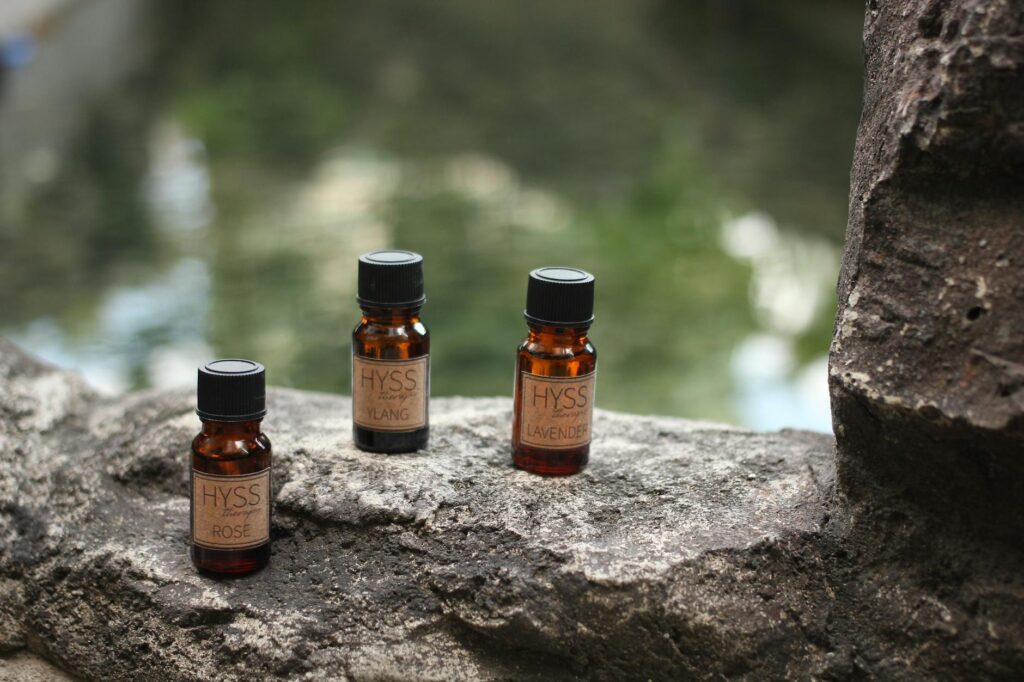
Is Ylang Ylang Oil Safe? Uses, Benefits and Precautions
Introduction
Ylang ylang oil, derived from the flowers of the Cananga odorata tree, is widely celebrated in the world of aromatherapy and holistic wellness. Known for its sweet, floral scent, this essential oil has garnered attention not only for its aromatic properties but also for its potential benefits. However, as with any essential oil, it is essential to understand its uses, benefits, safety considerations, and appropriate applications to ensure responsible use.
What Is Ylang Ylang Oil?
Ylang ylang oil is extracted through steam distillation from the yellow, star-shaped flowers of the Cananga odorata tree, native to tropical Asia. The name “ylang ylang” is derived from the Tagalog phrase “ilang-ilang,” which translates to “flower of flowers.” The essential oil is often categorized into different grades based on the distillation process, with the first distillation yielding the most fragrant and potent oil, while subsequent distillations produce oils that are less aromatic.
Characterized by its rich, sweet, and exotic aroma, ylang ylang oil is a popular choice in perfumery and personal care products. Its unique scent profile makes it a favored ingredient in both commercial and homemade formulations.
Key Benefits and Properties
Ylang ylang oil boasts a range of properties that contribute to its popularity in aromatherapy and holistic practices:
1. Mood Enhancer: The pleasant fragrance of ylang ylang oil is known to have uplifting effects, often associated with reducing anxiety and promoting emotional balance.
2. Relaxation Agent: Many users find ylang ylang oil to be calming, helping to alleviate stress and tension. This property makes it a common choice for relaxation techniques.
3. Antioxidant Properties: Some studies suggest that ylang ylang oil possesses antioxidant qualities, which may help combat oxidative stress in the body.
4. Skin Benefits: Ylang ylang oil is sometimes included in skincare formulations due to its potential to balance oil production and improve the appearance of skin, particularly for those with oily or acne-prone skin.
5. Hair Care: The oil is also popular in hair care products, as it can help condition the hair and promote a healthy scalp.
Common Uses
Ylang ylang oil is versatile and can be used in various applications, including:
- Aromatherapy Diffusion: Adding a few drops to a diffuser can create a calming atmosphere in homes or workspaces.
- Massage Oil: When diluted with a carrier oil, ylang ylang can be used for massage, promoting relaxation and soothing sore muscles.
- Bath Additive: A few drops of ylang ylang oil in a warm bath can enhance the bathing experience, providing relaxation and stress relief.
- Skincare: In cosmetic formulations, ylang ylang oil can be added to creams, lotions, or serums for its potential skin benefits.
- Hair Products: The oil can be included in shampoos or conditioners to promote healthy hair and scalp.
- Citrus Oils: Such as bergamot or orange, to create uplifting and energizing blends.
- Woody Oils: Like cedarwood or sandalwood, to add depth and grounding qualities to blends.
- Herbaceous Oils: Such as lavender or rosemary, to create a calming and soothing atmosphere.
- Diffusion: Add a few drops to an essential oil diffuser, allowing the aroma to fill the space.
- Inhalation: Place a drop on a tissue or cotton ball and inhale deeply for a quick mood boost.
- Topical Application: Dilute with a carrier oil and apply to pulse points, such as the wrists or neck, to enjoy the scent throughout the day.
- Skin Sensitivity: As with any essential oil, perform a patch test before applying ylang ylang oil to larger areas of the skin. Dilute the oil in a carrier oil and apply a small amount to a discreet area. Wait 24 hours to check for any adverse reactions.
- Pregnancy and Nursing: Pregnant or nursing individuals should consult with a healthcare professional before using ylang ylang oil, as essential oils can have varying effects during these periods.
- Medical Conditions: Individuals with specific health conditions, particularly those related to the heart or blood pressure, should seek professional advice before using ylang ylang oil.
- Children: Essential oils should be used with caution around children. It is advisable to consult a pediatrician before use.
- Interactions with Medications: Ylang ylang oil may interact with certain medications, particularly those affecting the heart or nervous system. Consult a healthcare professional if you are on medication.
- Cool, Dark Place: Store the oil in a cool, dark place, away from direct sunlight and heat sources. This will help preserve its aroma and properties.
- Tightly Sealed: Ensure that the bottle is tightly sealed when not in use to prevent oxidation.
- Shelf Life: When stored correctly, ylang ylang oil can last for 2-3 years. However, it is advisable to check for any changes in scent or consistency before use.
Aromatherapy Applications
In aromatherapy, ylang ylang oil is often combined with other essential oils to enhance its effects. Its sweet, floral scent blends well with:
When using ylang ylang oil in aromatherapy, consider the following methods:
Safety Considerations
While ylang ylang oil is generally regarded as safe for topical and aromatic use, certain precautions should be observed:
Storage and Shelf Life
To maintain the quality of ylang ylang oil, proper storage is essential:
Frequently Asked Questions
1. Can ylang ylang oil cause allergic reactions?
While allergic reactions are rare, individuals with sensitive skin may experience irritation. Always conduct a patch test before general use.
2. Is ylang ylang oil safe for pets?
Essential oils can be sensitive for pets, particularly cats and dogs. It is advisable to avoid using ylang ylang oil around pets or consult a veterinarian for guidance.
3. What are the different grades of ylang ylang oil?
Ylang ylang oil is typically categorized into several grades based on the distillation process: Ylang Ylang Extra (the most fragrant), Grade I, Grade II, and Grade III. Each grade has different aromatic and therapeutic qualities.
4. Can ylang ylang oil be ingested?
Ingesting essential oils is not generally recommended without professional guidance. Consult a qualified practitioner before considering internal use.
5. How can I incorporate ylang ylang oil into my skincare routine?
Ylang ylang oil can be added to creams, lotions, or serums. Mix a few drops with a carrier oil or your preferred skincare product for topical application.
Conclusion
Ylang ylang oil is a versatile essential oil with a rich history and numerous potential benefits. Its sweet, floral aroma is not only pleasing but may also contribute to emotional and physical well-being in various applications. However, as with any essential oil, it is crucial to approach its use with knowledge and caution. By understanding its properties, benefits, and safety considerations, individuals can enjoy the unique qualities of ylang ylang oil responsibly.