
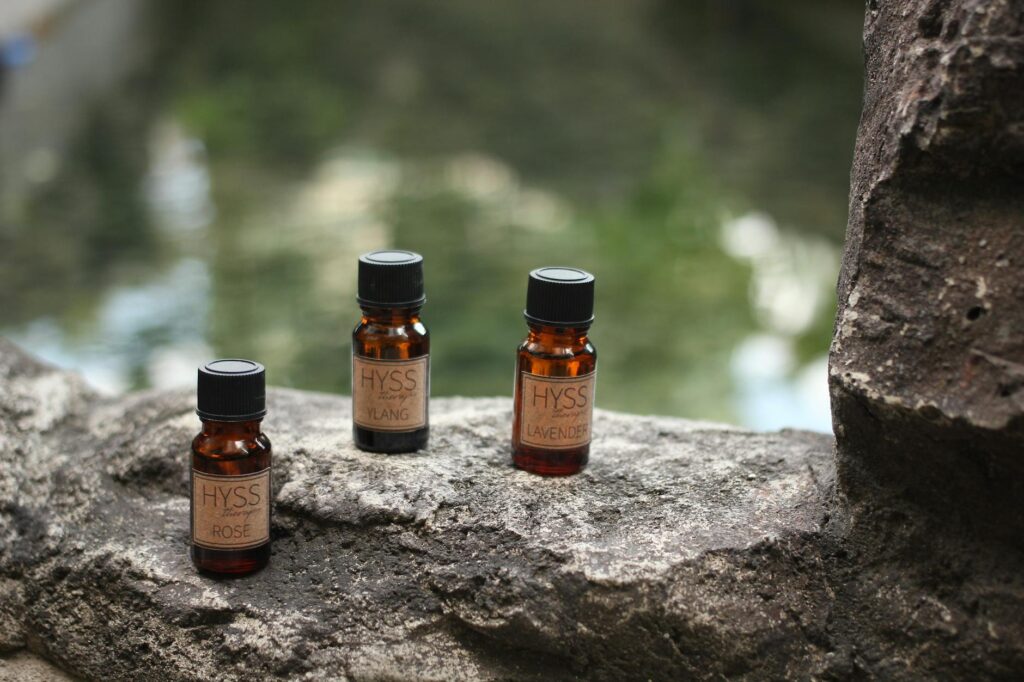
Is Ylang Ylang Oil Safety Safe? Uses, Benefits and Precautions
Introduction
Ylang ylang oil, derived from the flowers of the Cananga odorata tree, is a popular essential oil known for its sweet, floral aroma. It has a rich history in traditional medicine and aromatherapy practices, particularly in regions such as Southeast Asia. While ylang ylang is celebrated for its fragrance and potential therapeutic properties, understanding its safety, uses, and precautions is essential for anyone interested in incorporating this oil into their wellness routine. This article will explore the safety of ylang ylang oil, its benefits, common uses, and important safety considerations.
What Is Ylang Ylang Oil Safety?
Ylang ylang oil is extracted through steam distillation of the flowers of the Cananga odorata tree. The term “ylang ylang” means “flower of flowers” in Tagalog, emphasizing its esteemed status in various cultures. While ylang ylang is generally regarded as safe for most people, certain populations may need to exercise caution. Understanding the safety profile of ylang ylang oil involves examining its chemical composition, potential side effects, and interactions with other substances.
Key Benefits and Properties
Ylang ylang oil is noted for its diverse range of benefits and properties:
- Mood Enhancer: The uplifting scent of ylang ylang is believed to help relieve stress and anxiety, promoting a sense of calm and relaxation.
- Antiseptic Properties: Ylang ylang oil has been recognized for its potential antiseptic qualities, making it useful for minor cuts and wounds.
- Hormonal Balance: Some studies suggest that ylang ylang may support hormonal balance, potentially benefiting those experiencing menstrual discomfort or menopause symptoms.
- Aphrodisiac Qualities: Traditionally, ylang ylang has been used as an aphrodisiac, believed to enhance intimacy and connection between partners.
- Skin Benefits: Ylang ylang oil may help balance oil production in the skin, making it suitable for both oily and dry skin types.
- Perfumes and Fragrances: Its sweet, floral scent makes ylang ylang a popular ingredient in perfumes and scented products.
- Cosmetic Products: Many skincare formulations include ylang ylang oil for its aromatic and potential skin-balancing properties.
- Massage Oils: Often blended with carrier oils, ylang ylang is a favorite in aromatherapy massage for its relaxing effects.
- Household Products: Ylang ylang can be used in homemade cleaning products or diffusers for a pleasant scent in living spaces.
- Diffusion: Adding a few drops of ylang ylang oil to a diffuser can fill a room with its calming aroma, promoting relaxation and reducing stress.
- Topical Application: When diluted with a carrier oil, ylang ylang can be applied to pulse points or massaged into the skin to benefit from its soothing properties.
- Bath Soaks: A few drops of ylang ylang oil in a warm bath can create a luxurious experience, aiding relaxation and stress relief.
- Skin Sensitivity: Ylang ylang oil can cause skin irritation or allergic reactions in some individuals. A patch test is recommended before topical application. Diluting the oil with a carrier oil can also minimize the risk of irritation.
- Pregnancy and Breastfeeding: While ylang ylang is often used in traditional practices, pregnant or breastfeeding women should consult a healthcare provider before using the oil, as its effects during these periods are not well-studied.
- Interactions with Medications: Ylang ylang may interact with certain medications, particularly those affecting blood pressure. Individuals on such medications should consult a healthcare professional before use.
- Children and Pets: Caution is advised when using ylang ylang oil around children and pets. Essential oils can be more potent for these populations, and ylang ylang should be kept out of reach.
- Cool, Dark Place: Store ylang ylang oil in a cool, dark location, away from direct sunlight and heat sources, which can degrade the oil over time.
- Tightly Sealed Containers: Keep the oil in tightly sealed glass or dark amber bottles to minimize exposure to air and light.
- Expiration Date: While essential oils do not spoil in the traditional sense, they can lose potency over time. Ylang ylang oil typically lasts between 3 to 5 years if stored properly. Check for any changes in smell or consistency before use.
Common Uses
Ylang ylang oil is versatile and can be used in various applications:
Aromatherapy Applications
In aromatherapy, ylang ylang oil can be used in several ways:
Safety Considerations
Despite its many benefits, ylang ylang oil should be used with caution. Here are some important safety considerations:
Storage and Shelf Life
Proper storage of ylang ylang oil is crucial to maintaining its quality and efficacy. Here are some tips:
Frequently Asked Questions
1. Can ylang ylang oil be ingested?
Ylang ylang oil is primarily intended for external use and aromatherapy applications. Ingesting essential oils should only be done under the supervision of a qualified healthcare professional, as it can lead to adverse reactions.
2. Is ylang ylang oil safe for sensitive skin?
While ylang ylang oil can be beneficial for some skin types, individuals with sensitive skin should conduct a patch test before topical application. Diluting ylang ylang with a carrier oil can also help reduce the risk of irritation.
3. What is the best way to use ylang ylang oil for relaxation?
Diffusing ylang ylang oil in a diffuser or adding a few drops to a warm bath are popular methods for enjoying its relaxing effects.
4. Does ylang ylang oil have any contraindications?
Yes, individuals taking medications for blood pressure or those who are pregnant or breastfeeding should consult a healthcare provider before using ylang ylang oil.
5. Can ylang ylang oil help with hair health?
Ylang ylang oil is sometimes included in hair care products due to its potential to balance oil production on the scalp. It can be added to shampoo or used in a diluted form for scalp massages.
Conclusion
Ylang ylang oil is a remarkable essential oil with a wide range of applications in aromatherapy, skincare, and perfumery. While it offers numerous benefits, understanding the safety considerations is crucial for responsible usage. By following guidelines for dilution, application, and storage, individuals can enjoy the aromatic and potential therapeutic properties of ylang ylang oil safely. As with any essential oil, personal experience and consultation with knowledgeable professionals can help you make informed decisions about incorporating ylang ylang into your wellness routine.