
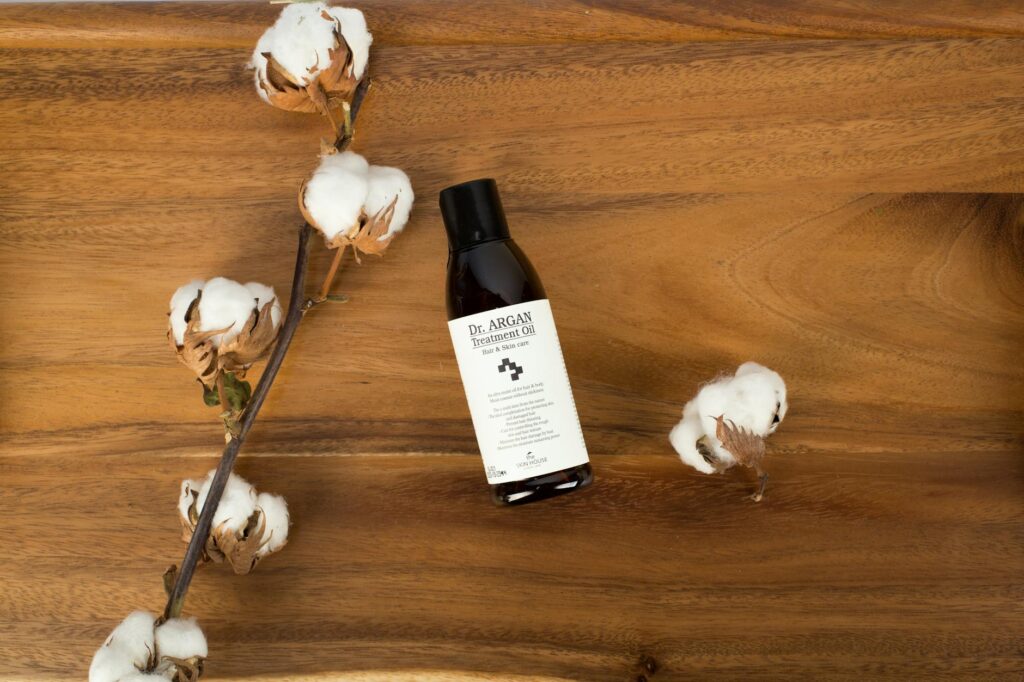
Properties and Uses of Argan Oil
Introduction
Argan oil has gained considerable attention in recent years, both for its culinary applications and its role in beauty and skincare. Extracted from the nuts of the Argan tree (Argania spinosa), which is native to Morocco, this oil has been used for centuries by local communities. With its rich nutrient profile and versatile applications, argan oil is often touted as a superfood and a skincare essential. This article will explore the properties, benefits, and various uses of argan oil, along with considerations for safety and storage.
What Is Argan Oil?
Argan oil is a plant-based oil derived from the fruit of the Argan tree. The extraction process involves harvesting the fruit, cracking open the hard shell to access the nuts, and then cold-pressing the nuts to release the oil. There are two main types of argan oil: culinary and cosmetic. Culinary argan oil is often used in traditional Moroccan dishes, while cosmetic argan oil is valued for its moisturizing and nourishing properties for skin and hair.
Key Benefits and Properties
Nutrient Profile
Argan oil is rich in essential fatty acids, particularly oleic and linoleic acids, which play vital roles in maintaining skin health. Additionally, it contains vitamin E, which is known for its antioxidant properties, and phenolic compounds that contribute to its anti-inflammatory effects.
Moisturizing Properties
One of the standout features of argan oil is its ability to hydrate and soften skin. Its emollient properties make it suitable for various skin types, including dry, sensitive, and aging skin.
Anti-Aging Effects
The high levels of antioxidants in argan oil help combat free radicals, which contribute to skin aging. As a result, it is often included in anti-aging skincare products aimed at reducing the appearance of fine lines and wrinkles.
Healing Qualities
Argan oil has been noted for its potential to promote healing, especially for conditions like eczema and psoriasis. Its anti-inflammatory properties can help soothe irritated skin and reduce redness.
Hair Care Benefits
In addition to skincare, argan oil is widely recognized for its benefits to hair. It can help improve hair elasticity, reduce frizz, and add shine. Its nourishing components can also aid in repairing damage from heat styling and environmental factors.
Common Uses
Skincare
- Moisturizer: Argan oil can be applied directly to the skin as a moisturizer, either alone or mixed with other products.
- Face Oil: Many people use it as a facial oil, especially in dry climates or during winter months.
- Makeup Remover: Its oily consistency makes it effective for removing makeup without stripping the skin of its natural oils.
- Conditioner: Argan oil can be used as a leave-in conditioner to hydrate and protect hair.
- Styling Product: A small amount can be applied to dry hair to tame frizz and add shine.
- Dressings and Marinades: Culinary argan oil is often used in salad dressings or marinades for its nutty flavor.
- Dip for Bread: In Moroccan cuisine, it is commonly served as a dip for bread, often mixed with spices.
- Allergies: Individuals with nut allergies should exercise caution, as argan oil is derived from nuts.
- Skin Sensitivity: While rare, some individuals may experience irritation. It is advisable to conduct a patch test before applying it more broadly.
- Pregnancy and Nursing: While argan oil is typically safe, it’s wise to consult a healthcare provider before using any new product during pregnancy or nursing.
Hair Care
Culinary Uses
Aromatherapy Applications
While argan oil is not an essential oil, it can be used as a carrier oil in aromatherapy. Its light texture allows it to mix well with essential oils, facilitating their application on the skin.
Carrier Oil
As a carrier oil, argan oil can dilute essential oils for topical application, making it safer for use on the skin. It is particularly well-suited for sensitive skin due to its gentle nature.
Blending
Argan oil can be blended with essential oils like lavender, tea tree, or frankincense to enhance their therapeutic properties. It can also be used in massage oil blends, providing both nourishment to the skin and a smooth glide for massage techniques.
Safety Considerations
Argan oil is generally regarded as safe for topical use; however, there are a few considerations to keep in mind:
Storage and Shelf Life
Storage
To maintain the quality of argan oil, it should be stored in a cool, dark place, away from sunlight and heat sources. A dark glass bottle is preferable, as it helps protect the oil from light degradation.
Shelf Life
When stored properly, argan oil can last up to two years. However, it is advisable to check the expiration date on the packaging and to monitor for any changes in color, smell, or consistency, which may indicate spoilage.
Frequently Asked Questions
1. Can argan oil be used for all skin types?
Yes, argan oil is suitable for various skin types, including dry, oily, and sensitive skin. Its lightweight formula absorbs quickly, making it non-comedogenic for those concerned about clogged pores.
2. Is culinary argan oil the same as cosmetic argan oil?
Culinary argan oil is extracted from roasted nuts and has a distinct nutty flavor, making it suitable for consumption. Cosmetic argan oil is obtained from raw nuts and is intended for external use only. Always check the labeling to ensure you are using the appropriate type for your intended purpose.
3. How often can I use argan oil on my hair?
Argan oil can be used daily, either as a styling product or a deep-conditioning treatment. For best results, apply a small amount to the ends of your hair, avoiding the roots to prevent greasiness.
4. Can I use argan oil on my face every day?
Many people incorporate argan oil into their daily skincare routine. However, if you have oily or acne-prone skin, you may want to start with a few times a week and adjust based on how your skin reacts.
5. Is argan oil vegan?
Yes, argan oil is plant-based and considered vegan, as it is derived from the nuts of the Argan tree.
Conclusion
Argan oil is a versatile and nutrient-rich oil that offers numerous benefits for both culinary and cosmetic applications. Its moisturizing, anti-aging, and healing properties make it a valuable addition to skincare and hair care routines. Whether you are looking to enhance your diet or improve your beauty regimen, argan oil stands out as a potent natural solution. With proper usage and storage, it can be a long-lasting ally in your quest for health and wellness.