
Properties and Uses of Aromatherapy Blends for Anxiety Relief
Introduction
In our fast-paced modern world, anxiety has become an increasingly common experience for many individuals. While various approaches exist for managing anxiety, aromatherapy has emerged as a popular alternative or complementary method. This article delves into the properties and uses of aromatherapy blends specifically designed for anxiety relief, highlighting their potential benefits, applications, and safety considerations.
What Is Aromatherapy Blends for Anxiety Relief?
Aromatherapy is a holistic healing practice that utilizes essential oils extracted from plants, flowers, and herbs to promote physical, emotional, and psychological well-being. Anxiety relief aromatherapy blends are specifically formulated combinations of these essential oils, each chosen for their calming and soothing properties. These blends can be used in various ways to help manage anxiety symptoms, providing a natural approach to emotional balance.
Key Benefits and Properties
Essential Oils for Anxiety Relief
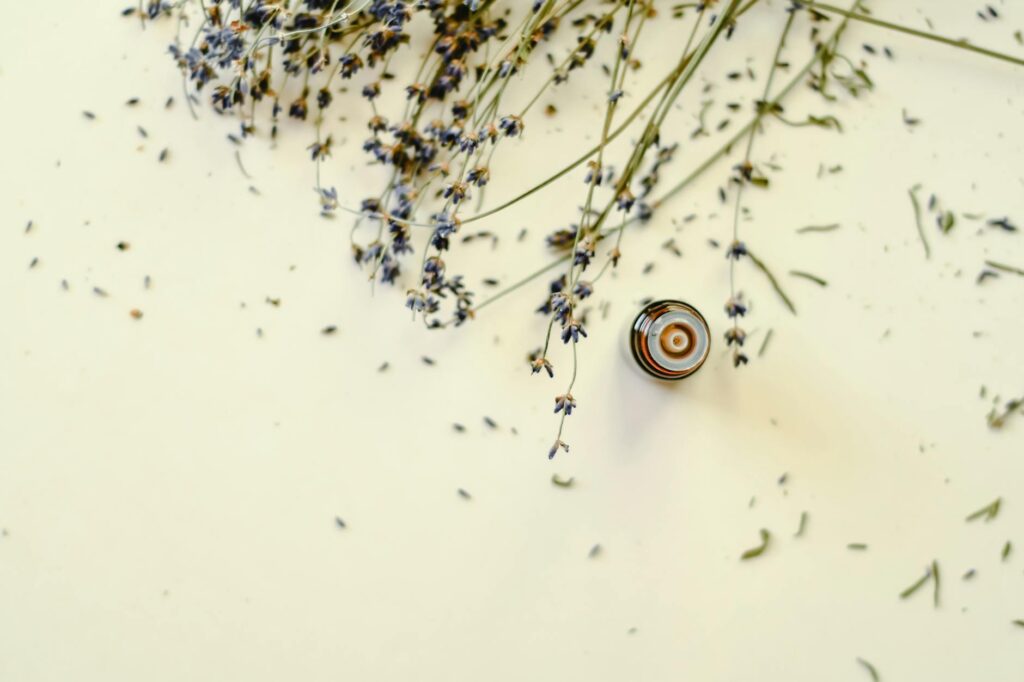
1. Lavender (Lavandula angustifolia): Renowned for its relaxing effects, lavender oil may help decrease anxiety levels and promote restful sleep.
2. Bergamot (Citrus bergamia): This citrus oil has uplifting qualities that can help alleviate stress and anxiety, making it an excellent choice for mood enhancement.
3. Chamomile (Matricaria chamomilla): Chamomile is often used for its calming properties, which can contribute to relaxation and emotional stability.
4. Geranium (Pelargonium graveolens): Geranium oil is believed to balance emotions and alleviate feelings of stress, making it a popular choice in anxiety relief blends.
5. Ylang Ylang (Cananga odorata): Known for its sweet floral scent, ylang ylang may help reduce heart rate and induce feelings of calmness.
Synergistic Effects
When combined, these essential oils can create synergistic effects, enhancing their individual benefits. The right blend can provide a more profound calming experience than a single oil alone, making it essential to choose combinations thoughtfully.
Common Uses
Diffusion
One of the most popular methods of using aromatherapy blends is through diffusion. Essential oil diffusers disperse the oils into the air, allowing individuals to inhale the therapeutic aromas. This method can create a calming environment, making it particularly useful in spaces where anxiety might be prevalent, such as work or home settings.
Inhalation
Inhaling essential oils directly from the bottle or via a personal inhaler can provide immediate relief. This method is often favored for on-the-go situations, allowing individuals to access calming scents whenever anxiety strikes.
Topical Application
Aromatherapy blends can also be diluted with a carrier oil and applied topically. Common areas for application include pulse points like wrists, neck, and behind the ears. This method not only allows for the absorption of the oils through the skin but also provides the benefits of inhalation as the scents waft through the air.
Bathing
Adding aromatherapy blends to a warm bath can create a serene and tranquil experience. The warm water helps disperse the oils while the steam aids in inhalation, providing a multi-sensory approach to relaxation.
Massage
Incorporating aromatherapy blends into massage oils can enhance the therapeutic effects of the massage itself. The combination of physical touch and the calming properties of the oils can significantly reduce anxiety levels.
Aromatherapy Applications
Personal Blends
Creating personal blends tailored to individual preferences can be an enjoyable and therapeutic process. Experimenting with different essential oils can result in a blend that resonates with one’s unique emotional needs.
Pre-Made Blends
For those who prefer convenience, many companies offer pre-made aromatherapy blends specifically formulated for anxiety relief. These blends often combine popular essential oils known for their calming properties, making it easy to find a suitable option.
Environmental Use
Incorporating aromatherapy into daily life can also extend to environmental applications. Spraying blends in living spaces, using scented candles, or adding oils to potpourri can create a calming atmosphere.
Safety Considerations
While aromatherapy is generally considered safe, certain precautions should be taken:
- Dilution: Essential oils are highly concentrated and should be diluted before topical application to minimize the risk of skin irritation.
- Allergies and Sensitivities: Individuals should conduct patch tests to check for allergic reactions prior to extensive use.
- Pregnancy and Medical Conditions: Some essential oils may not be suitable for pregnant individuals or those with certain health conditions. It is advisable to consult with a healthcare professional before use.
- Children and Pets: Extra caution should be exercised when using essential oils around children and pets, as certain oils can be toxic to animals.
Storage and Shelf Life
To maintain the efficacy of essential oils, proper storage is essential. Oils should be kept in a cool, dark place, preferably in dark glass containers to prevent degradation from light and heat. Most essential oils have a shelf life of 1-3 years, although some may last longer if stored correctly.
Frequently Asked Questions
Can aromatherapy truly help with anxiety?
While many individuals report positive effects from using aromatherapy blends, scientific research on the efficacy of essential oils for anxiety relief is still evolving. Aromatherapy is best viewed as a complementary approach rather than a standalone solution.
How do I choose the right blend for me?
Selecting an aromatherapy blend can be a personal and subjective experience. Consider your preferences and the scents that resonate with you. Experimenting with different combinations can help you discover what works best for your individual needs.
Are there any essential oils to avoid?
Certain essential oils may cause skin irritation or allergic reactions in some individuals. It is advisable to perform a patch test prior to full application. Additionally, pregnant individuals and those with specific health concerns should consult a healthcare professional about which oils to avoid.
How often can I use aromatherapy for anxiety relief?
Frequency of use can vary based on individual preference and need. Some may benefit from multiple applications throughout the day, while others may find relief with less frequent use. Listen to your body and adjust accordingly.
Can I make my own aromatherapy blends at home?
Yes, creating your own blends can be a rewarding experience. Start with a few essential oils known for their calming properties, and experiment with different ratios to find a blend that works for you.
Conclusion
Aromatherapy blends for anxiety relief offer a natural and holistic approach to managing anxiety symptoms. By understanding the properties, benefits, and applications of various essential oils, individuals can create a personalized experience that promotes emotional well-being. While aromatherapy should not replace traditional medical treatments, it can serve as a valuable tool in a broader approach to anxiety management. Always remember to prioritize safety and consult with a professional when needed.