
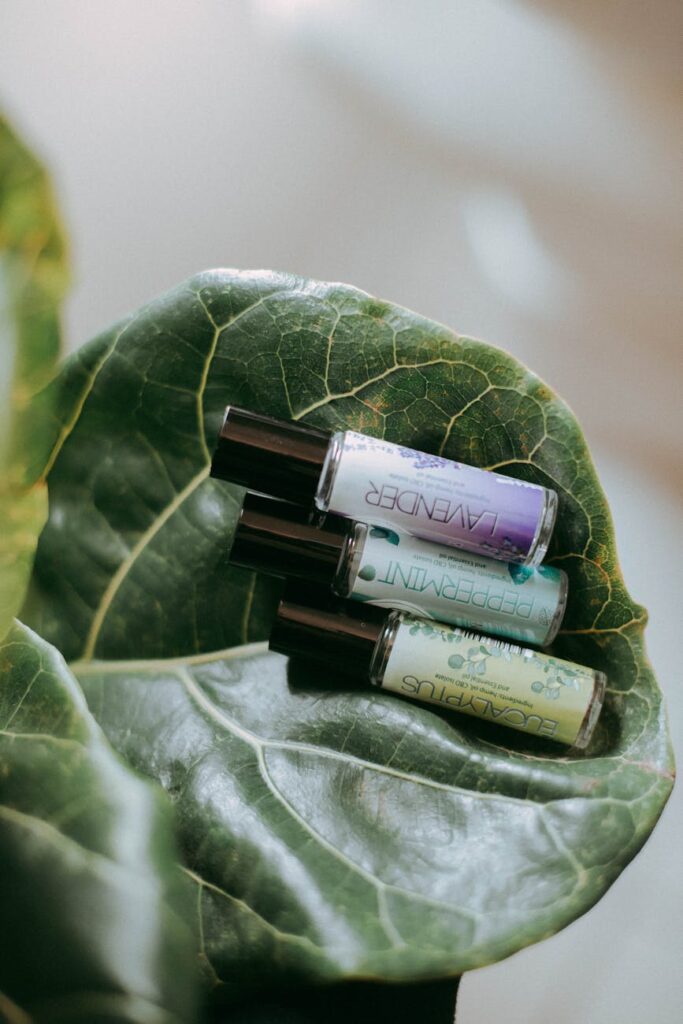
Properties and Uses of Aromatherapy Blends for Creativity Enhancement
Introduction
In an era where creativity is often heralded as a key driver of innovation and personal expression, many individuals seek methods to stimulate their creative faculties. Aromatherapy, a practice that harnesses the power of essential oils, has gained popularity for its potential to enhance various aspects of wellness, including creativity. This article delves into aromatherapy blends specifically formulated for creativity enhancement, exploring their properties, applications, and benefits.
What Is Aromatherapy Blends for Creativity Enhancement?
Aromatherapy blends for creativity enhancement are carefully curated combinations of essential oils designed to evoke feelings, stimulate the mind, and inspire innovative thinking. These blends typically incorporate oils known for their uplifting, invigorating, and clarifying properties. By utilizing these scents, individuals may find it easier to break through creative blocks, enhance focus, and foster a more open mindset conducive to artistic expression.
Key Benefits and Properties
The essential oils used in creativity-enhancing blends possess various properties that contribute to their effectiveness. Here are some key benefits:
1. Mental Clarity: Oils such as rosemary and peppermint can help improve focus and cognitive function, clearing mental fog and enabling better idea generation.
2. Emotional Upliftment: Citrus oils, including lemon and sweet orange, are known for their mood-lifting qualities. They can help reduce feelings of anxiety or stress, creating a more conducive environment for creativity.
3. Inspiration and Imagination: Oils like bergamot and ylang-ylang are often associated with enhancing mood and stimulating imagination, encouraging individuals to think outside the box.
4. Relaxation and Stress Relief: Blends containing lavender or chamomile can help alleviate stress and tension, allowing for a more relaxed state that is often necessary for creative flow.
5. Increased Energy: Certain oils, such as ginger and eucalyptus, can invigorate the mind and body, providing the energy needed to embark on creative projects.
Common Uses
Aromatherapy blends for creativity enhancement can be used in various settings and contexts. Here are some common applications:
- Workspace Diffusion: Diffusing essential oil blends in a workspace can create a stimulating environment that encourages focus and creativity.
- Personal Inhalation: Carrying a personal inhaler or applying oils to a cotton ball can provide quick access to the uplifting effects of essential oils whenever needed.
- Creative Rituals: Incorporating essential oils into creative rituals—such as journaling, painting, or brainstorming—can enhance the overall experience and promote a deeper connection to the creative process.
- Meditation and Visualization: Using specific blends during meditation or visualization practices can help individuals tap into their creative potential, opening pathways for inspiration.
- Dilution: Essential oils are highly concentrated and should be diluted with a carrier oil before topical application to prevent skin irritations.
- Allergies and Sensitivities: Individuals should conduct a patch test before using a new essential oil blend to check for any allergic reactions.
- Quality of Oils: It is essential to source high-quality, pure essential oils from reputable suppliers. Synthetic fragrances may not offer the same benefits and can contain harmful chemicals.
- Pregnancy and Medical Conditions: Certain essential oils may not be suitable for pregnant individuals or those with specific medical conditions. Always consult with a knowledgeable professional about oil compatibility.
- Cool, Dark Place: Essential oils should be stored in a cool, dark place away from direct sunlight and heat. This helps to prevent degradation.
- Tightly Sealed Containers: Keeping oils in tightly sealed glass bottles protects them from oxidation and evaporation.
- Shelf Life: Essential oils generally have a long shelf life, but some may degrade more quickly than others. Citrus oils, for example, typically last 1-2 years, while woody and resinous oils can last for several years.
Aromatherapy Applications
Aromatherapy blends can be applied in several ways, each offering unique benefits:
1. Diffusion: Essential oil diffusers release the therapeutic properties of oils into the air, creating an inviting and inspiring atmosphere. Popular blends for creativity may include combinations of citrus and floral oils, such as lemon, bergamot, and ylang-ylang.
2. Topical Application: When diluted with a carrier oil, essential oils can be applied to pulse points, such as wrists and temples. A blend of sweet orange and frankincense, for example, can enhance emotional well-being and promote a creative mindset.
3. Bath Additive: Adding a few drops of essential oils to a warm bath can create a relaxing environment, encouraging creative thoughts to flow. Blends that include lavender and chamomile are particularly soothing.
4. Personal Inhalers: These portable devices allow individuals to inhale concentrated essential oils directly. A blend of rosemary and peppermint can provide a quick mental boost during moments of creative stagnation.
5. Crafts and DIY Projects: Individuals can incorporate essential oils into art supplies, such as paints or clay. This not only adds a sensory dimension but also infuses creative projects with specific aromatic qualities.
Safety Considerations
While aromatherapy can be a beneficial practice, it is important to prioritize safety. Here are some considerations:
Storage and Shelf Life
Proper storage of essential oils is crucial for maintaining their potency and effectiveness. Here are some tips:
Frequently Asked Questions
Can I create my own aromatherapy blend for creativity enhancement?
Yes, many individuals enjoy experimenting with their own blends. Start with a base oil that promotes focus or inspiration, such as rosemary or bergamot, and combine it with complementary oils that suit your personal preferences.
How often should I use aromatherapy blends for creativity?
The frequency of use can vary based on personal preference and needs. Some individuals may find daily use beneficial, while others may prefer to use them during specific creative sessions or moments of inspiration.
Are there any essential oils I should avoid?
Certain essential oils, such as those from the mint family (like peppermint), may cause irritation if overused. It’s advisable to research specific oils and their properties to ensure they align with your goals.
Can I use aromatherapy blends with children?
When using essential oils around children, it is essential to dilute them properly and choose oils that are deemed safe for their age group. Always consult with a knowledgeable professional when in doubt.
What is the best method for diffusing essential oils?
Diffusion methods vary, including electric diffusers, essential oil candles, and reed diffusers. Electric diffusers are often preferred for their ability to disperse oils evenly and maintain a consistent aroma throughout the space.
Conclusion
Aromatherapy blends for creativity enhancement offer a unique approach to unlocking the creative potential within individuals. By harnessing the properties of essential oils, these blends can promote mental clarity, emotional upliftment, and inspiration. Whether used in a workspace, during creative rituals, or for personal inhalation, the applications of these blends are diverse and accessible. By adhering to safety considerations and proper storage practices, individuals can enjoy the benefits of aromatherapy as a valuable tool in their creative endeavors.