
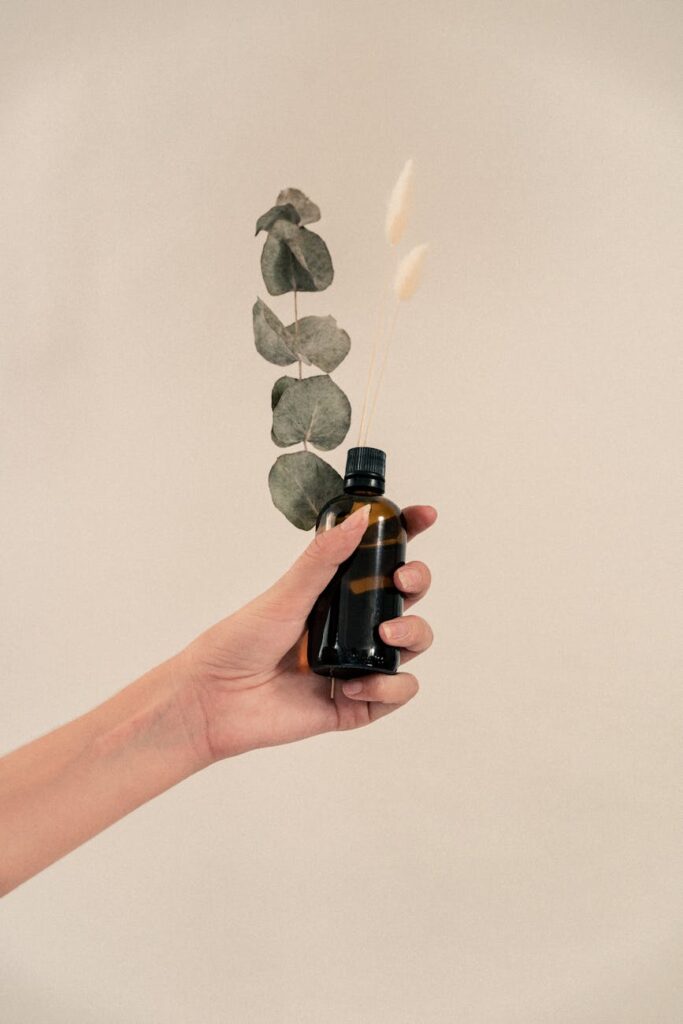
Properties and Uses of Aromatherapy Blends for Emotional Healing
Introduction
Aromatherapy, the practice of using essential oils for therapeutic benefits, has gained recognition for its potential to enhance emotional well-being. By harnessing the aromatic properties of plants, individuals can explore a holistic approach to emotional healing. This article delves into aromatherapy blends specifically formulated for emotional healing, outlining their properties, benefits, common uses, and application methods.
What Is Aromatherapy Blends for Emotional Healing?
Aromatherapy blends are combinations of essential oils designed to promote psychological and emotional balance. Each essential oil possesses unique properties derived from the plant’s chemistry, which can influence mood and emotional states. When combined, these oils can create synergistic effects, enhancing their overall therapeutic potential. Aromatherapy blends for emotional healing may address various emotional challenges, including stress, anxiety, depression, and emotional fatigue.
Key Benefits and Properties
Emotional Regulation
Many essential oils used in aromatherapy blends are known for their calming or uplifting effects. For example, lavender is often associated with relaxation, while citrus oils like bergamot can be invigorating and mood-enhancing. By utilizing these properties, aromatherapy blends can help individuals regulate their emotions.
Stress Relief
Aromatherapy blends can be particularly effective in alleviating stress. Oils such as chamomile and ylang-ylang are commonly included for their soothing qualities, helping to create a sense of peace and tranquility.
Mood Enhancement
Certain essential oils have uplifting properties that can boost mood and promote a sense of well-being. Oils like sweet orange and rosemary may stimulate feelings of happiness and energy, making them valuable components of emotional healing blends.
Grounding and Centering
Some blends are designed to promote feelings of grounding and stability. Essential oils like vetiver and patchouli are often included for their earthy, calming qualities, helping individuals feel more centered and connected.
Common Uses
Anxiety and Stress Management
Aromatherapy blends can be employed in various settings to help manage anxiety and stress. Diffusing calming blends in a workspace or during meditation can create an environment conducive to relaxation.
Emotional Support
Individuals navigating emotional challenges may benefit from the supportive qualities of specific blends. For example, a blend containing frankincense and geranium can be used during times of emotional upheaval, offering a comforting presence.
Sleep Aid
Certain blends can be tailored to promote restful sleep. Combining oils like lavender, marjoram, and cedarwood can create a soothing nighttime ritual, helping individuals unwind and prepare for sleep.
Mood Lifting
When facing low mood or fatigue, uplifting blends can provide a quick emotional boost. Citrus-based oils, such as lemon and grapefruit, can be invigorating and refreshing, making them excellent choices for midday pick-me-ups.
Aromatherapy Applications
Diffusion
One of the most common methods of using aromatherapy blends is through diffusion. Using an essential oil diffuser allows the aromatic compounds to disperse into the air, creating an atmosphere that can enhance emotional well-being.
Inhalation
Inhaling the scent of a blend directly from the bottle or using an inhaler can provide immediate emotional support. This method is particularly effective for quick relief from anxiety or stress.
Topical Application
Diluted essential oils can be applied to the skin for localized effects. Common areas include pulse points (wrists, neck) or areas of tension (shoulders, temples). Always ensure proper dilution ratios to promote safety.
Bathing
Adding a few drops of an emotional healing blend to a warm bath can create a soothing experience. The combination of warm water and aromatic oils can enhance relaxation and promote emotional clarity.
Massage
Incorporating aromatherapy blends into massage can deepen the emotional and physical benefits. The combined effects of touch and aroma can create a powerful healing experience.
Safety Considerations
While aromatherapy can be beneficial, it is essential to practice safety. Here are some key safety considerations when using aromatherapy blends:
- Dilution: Always dilute essential oils with a carrier oil before applying them to the skin. This helps prevent skin irritation.
- Patch Testing: Conduct a patch test on a small area of skin to check for any allergic reactions prior to widespread use.
- Quality of Oils: Choose high-quality, pure essential oils from reputable sources. Adulterated oils may not offer the desired benefits and can even be harmful.
- Pregnancy and Health Conditions: Pregnant individuals and those with specific health conditions should consult a healthcare professional before using essential oils.
- Children and Pets: Exercise caution when using essential oils around children and pets, as some oils may not be safe for them.
Storage and Shelf Life
Proper storage of essential oils is crucial to maintain their potency and efficacy. Essential oils should be stored in a cool, dark place, away from direct sunlight. Amber or cobalt glass bottles are ideal for protecting oils from light exposure.
The shelf life of essential oils can vary, but most will remain effective for 1-3 years when stored correctly. Citrus oils may have a shorter shelf life due to their high volatility. Regularly check the oils for changes in smell or appearance, as these may indicate degradation.
Frequently Asked Questions
Can aromatherapy blends replace professional therapy?
While aromatherapy can complement emotional healing, it should not be considered a replacement for professional therapy or medical treatment. Aromatherapy can be a valuable tool for emotional support but is most effective when used alongside other methods.
How do I choose the right blend for my emotional needs?
Selecting the right blend depends on your specific emotional needs. Research various essential oils and their properties, and consider blending oils that resonate with you personally. Consulting with a certified aromatherapist can provide additional guidance.
Are there any essential oils to avoid?
Certain essential oils may not be suitable for everyone, particularly those with specific health conditions or sensitivities. For example, peppermint and eucalyptus can be stimulating and might not be suitable for anxiety. Always conduct thorough research or consult a professional.
How often can I use aromatherapy blends?
Aromatherapy blends can be used as needed. However, it is advisable to take breaks and not rely solely on them for emotional support. Regular use in moderation is typically safe.
Can I create my own blends?
Yes, creating your own blends can be a rewarding experience. Begin with a few essential oils that you resonate with, and experiment with different ratios to find a blend that works for you. Always document your recipes for future reference.
Conclusion
Aromatherapy blends for emotional healing offer a natural and holistic approach to enhancing emotional well-being. By understanding the properties, benefits, and applications of these blends, individuals can empower themselves to navigate emotional challenges with greater ease. Incorporating aromatherapy into daily routines can provide valuable support, promoting a balanced emotional state and fostering a deeper connection to oneself.