
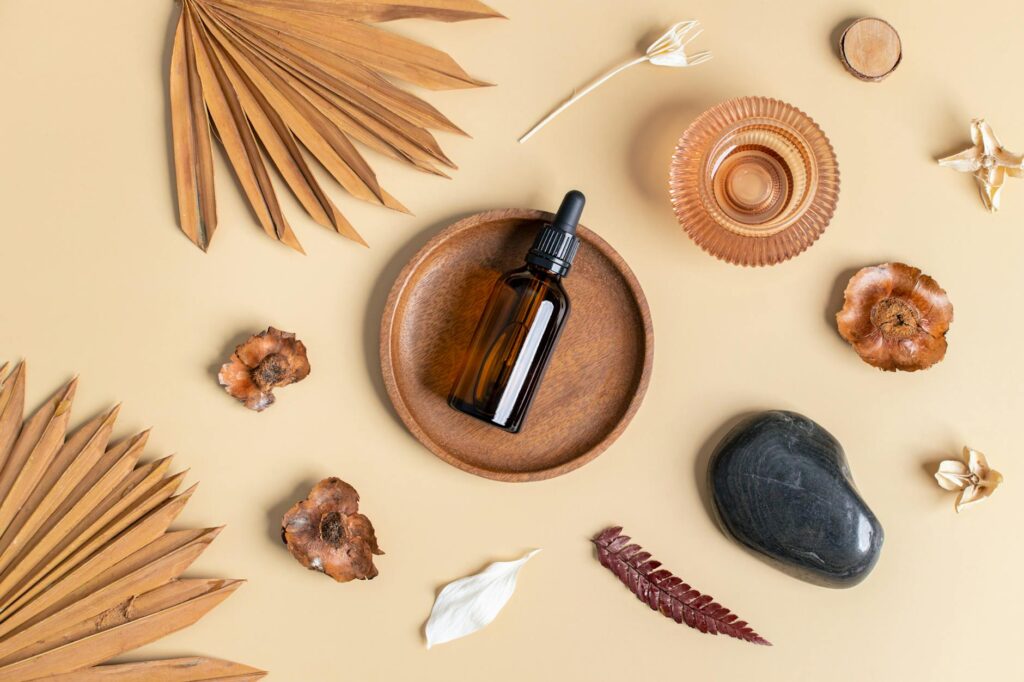
Properties and Uses of Aromatherapy Blends for Hormonal Balance
Introduction
Hormonal balance is essential for overall health and well-being, influencing mood, energy levels, and various bodily functions. Many individuals seek holistic approaches to support their hormonal health, and aromatherapy has emerged as a popular choice. This article delves into the properties and uses of aromatherapy blends specifically designed for hormonal balance, exploring their ingredients, benefits, and applications.
What Is Aromatherapy Blends for Hormonal Balance?
Aromatherapy blends for hormonal balance consist of carefully selected essential oils combined to promote emotional and physical equilibrium. These blends harness the natural properties of essential oils, which are concentrated plant extracts known for their aromatic and therapeutic qualities. The oils used in these blends often target specific hormonal issues, such as menstrual discomfort, mood swings, and menopausal symptoms, aiming to restore harmony within the body.
Key Benefits and Properties
Aromatherapy blends for hormonal balance offer numerous benefits, many of which stem from the unique properties of the essential oils used. Here are some key benefits:
Mood Regulation
Certain essential oils like clary sage, lavender, and geranium have calming properties that may help alleviate anxiety, stress, and mood swings associated with hormonal fluctuations. These oils can promote relaxation and emotional stability.
Menstrual Support
Essential oils such as roman chamomile and peppermint are often included in blends to help ease menstrual discomfort. Their antispasmodic and anti-inflammatory properties can provide relief from cramps and other associated symptoms.
Menopausal Relief
Blends containing sage and ylang-ylang may assist in managing symptoms related to menopause, such as hot flashes and sleep disturbances. These oils are known for their balancing effects on the body.
Energy Enhancement
Certain oils like citrus (e.g., lemon and orange) can invigorate the senses and uplift the spirit. They may be beneficial for combating fatigue often associated with hormonal imbalances.
Hormonal Regulation
Some essential oils, such as fennel and basil, are believed to have properties that can support hormonal regulation by mimicking the effects of estrogen or promoting overall endocrine balance.
Common Uses
Aromatherapy blends for hormonal balance can be used in various ways, making them versatile tools for holistic wellness. Common applications include:
Diffusion
Using an essential oil diffuser allows the aromas to fill a room, creating a calming and uplifting atmosphere. This method is particularly effective for mood regulation.
Topical Application
Diluting essential oils in a carrier oil for topical application can target specific areas of discomfort, such as the abdomen during menstrual cramps. This method can enhance the localized benefits of the oils.
Bathing
Adding a few drops of an aromatherapy blend to bathwater provides a soothing experience. The combined effects of warm water and essential oils can promote relaxation and relief from tension.
Inhalation
Direct inhalation can be achieved by placing a few drops of an essential oil blend on a tissue or in the palms of the hands. This method allows for quick access to the calming or invigorating properties of the oils.
Aromatherapy Applications
When creating or using aromatherapy blends for hormonal balance, understanding the properties of individual essential oils is essential. Here are some commonly used oils and their applications:
Clary Sage
Known for its ability to alleviate menstrual cramps and promote relaxation, clary sage can be blended with other oils for enhanced effects.
Lavender
Widely recognized for its calming properties, lavender can help reduce anxiety and improve sleep quality, making it a staple in hormonal balance blends.
Geranium
This oil is often used for its mood-stabilizing properties and ability to help regulate hormones. It is commonly included in blends targeting emotional balance.
Ylang-Ylang
Renowned for its uplifting and sedative qualities, ylang-ylang can help ease tension and promote a sense of well-being during hormonal fluctuations.
Roman Chamomile
With its soothing properties, roman chamomile is beneficial for relieving menstrual discomfort and promoting relaxation.
Fennel
Fennel oil is believed to help regulate menstrual cycles and alleviate symptoms associated with hormonal imbalance.
Bergamot
This citrus oil is known for its uplifting and calming properties, making it a valuable addition to blends aimed at reducing stress and anxiety.
Safety Considerations
When using aromatherapy blends for hormonal balance, safety is paramount. Here are some important precautions to consider:
Dilution
Essential oils are highly concentrated and should be diluted with a carrier oil (such as jojoba, coconut, or olive oil) before topical application. A general guideline is to use a dilution ratio of 2-3% for adults.
Skin Sensitivity
Conduct a patch test before applying any new essential oil blend to the skin. Apply a small amount to a discreet area and wait 24 hours to check for any adverse reactions.
Pregnancy and Nursing
Certain essential oils may not be safe during pregnancy or breastfeeding. It is advisable to consult a certified aromatherapist or healthcare professional for guidance.
Avoiding Ingestion
Essential oils should not be ingested unless under the supervision of a qualified practitioner. Ingestion can lead to toxic reactions or adverse effects.
Children and Pets
Take extra precautions when using essential oils around children and pets. Some oils may be safe for adults but not for younger individuals or animals.
Storage and Shelf Life
Proper storage of essential oils is crucial for maintaining their potency and effectiveness. Here are some guidelines:
Dark Glass Containers
Store essential oils in dark glass bottles to protect them from light, which can degrade their quality. Amber or cobalt blue bottles are ideal.
Cool, Dry Place
Keep essential oils in a cool, dry environment away from direct sunlight and heat sources. High temperatures can alter their chemical composition.
Shelf Life
Essential oils have varying shelf lives. Citrus oils typically last around 1-2 years, while heavier oils like patchouli and sandalwood can last for several years. Regularly check for changes in aroma or consistency, which may indicate that the oil is no longer effective.
Frequently Asked Questions
1. Can aromatherapy blends completely balance hormones?
Aromatherapy blends can support hormonal balance, but they should not be considered a replacement for medical treatment. They may complement other wellness strategies.
2. How often should I use aromatherapy blends for hormonal balance?
Frequency of use varies based on individual needs. Some may benefit from daily use, while others may use them as needed for specific symptoms.
3. Can I create my own blends for hormonal balance?
Yes, many individuals enjoy experimenting with their own blends. It is important to research the properties of each essential oil and focus on those known for their hormonal balancing effects.
4. Are there any essential oils to avoid for hormonal balance?
Certain oils, such as those with strong hormonal effects like clary sage and fennel, should be used with caution, particularly during pregnancy or breastfeeding. Always consult a professional if unsure.
5. Can aromatherapy blends interact with medications?
Some essential oils may interact with medications. It is advisable to consult a healthcare professional if you are taking prescription medications or have underlying health conditions.
Conclusion
Aromatherapy blends for hormonal balance offer a natural and holistic approach to supporting emotional and physical well-being. Understanding the properties and benefits of essential oils, along with safe application methods, can empower individuals to incorporate these blends into their wellness routines. While aromatherapy can provide support, it is essential to approach hormonal health with a comprehensive strategy that includes professional guidance and lifestyle adjustments.