
Properties and Uses of Aromatherapy Blends for Meditation and Mindfulness
Introduction
In recent years, the practice of meditation and mindfulness has gained traction as a powerful tool for enhancing well-being and promoting mental clarity. As people seek to deepen their meditative practices, many are turning to aromatherapy, a holistic approach that utilizes the natural properties of essential oils. Aromatherapy blends specifically designed for meditation and mindfulness can create an atmosphere conducive to relaxation, focus, and emotional balance. This article delves into the properties, uses, and applications of these blends, offering a comprehensive guide for enthusiasts and practitioners alike.
What Is Aromatherapy Blends for Meditation and Mindfulness?
Aromatherapy blends are combinations of essential oils derived from plants, flowers, and herbs, formulated to evoke specific emotional and physical responses. When used in meditation and mindfulness practices, these blends can help cultivate a serene environment, enhance focus, and promote a sense of grounding. Common essential oils used in these blends include lavender, frankincense, sandalwood, and bergamot, each offering unique properties that can support mental clarity and emotional equilibrium.
Key Benefits and Properties
Calming and Relaxing
Many essential oils possess calming properties that can help reduce anxiety and promote relaxation. Lavender, for instance, is renowned for its soothing effects, making it a popular choice in meditation blends. The aroma of lavender can help lower heart rates and promote a sense of tranquility.
Enhancing Focus and Clarity
Certain essential oils are known for their ability to enhance concentration and cognitive function. Oils like rosemary and peppermint can stimulate the mind, making them ideal for creating an environment conducive to focused meditation practices.
Emotional Balance
Essential oils can evoke powerful emotional responses. Oils such as bergamot and ylang-ylang are often used to uplift mood and promote emotional balance, aiding practitioners in overcoming feelings of stress or negativity during meditation.
Grounding and Centering
Grounding essential oils, such as vetiver and cedarwood, can help individuals connect with their physical selves and the present moment. These oils foster a sense of stability and security, making them particularly useful for mindfulness practices.
Common Uses
Aromatherapy blends for meditation and mindfulness can be utilized in various ways, enhancing the overall experience. Below are several common applications:
Diffusion
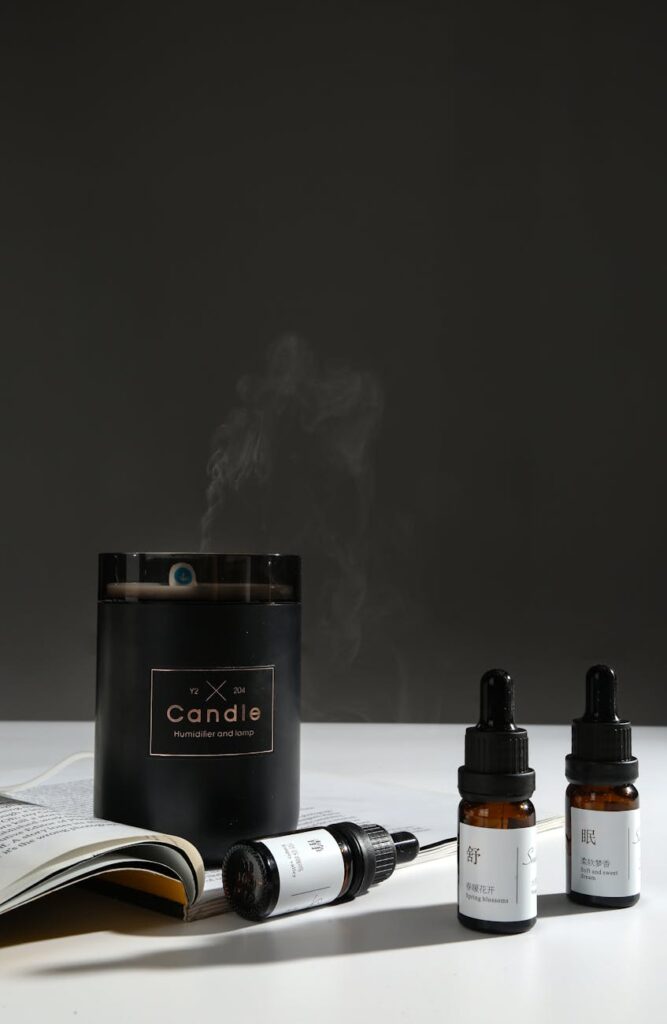
Using an essential oil diffuser is one of the most popular methods for dispersing aromatherapy blends into the air. The diffusion process allows the oils to be inhaled easily, creating an inviting atmosphere for meditation sessions.
Massage
Incorporating aromatherapy into massage can enhance the benefits of both practices. Blending essential oils with a carrier oil can create a soothing massage experience that promotes relaxation and mindfulness.
Bathing
Adding aromatherapy blends to a warm bath can create a serene environment for relaxation and meditation. The heat of the water helps to release the essential oils into the air, allowing for an immersive experience.
Inhalation
Simply inhaling essential oils directly from the bottle or applying a small amount to a tissue can quickly provide the desired aroma. This method is particularly useful for on-the-go mindfulness practices.
Meditation Accessories
Some practitioners choose to infuse their meditation accessories, such as cushions or blankets, with essential oils. This approach can create a consistent aromatic experience that enhances the overall meditative environment.
Aromatherapy Applications
Creating Your Own Blend
Crafting a personalized aromatherapy blend for meditation involves selecting essential oils that resonate with your intentions and preferences. A basic recipe might include a combination of calming, focusing, and grounding oils. For example:
- Calming: 4 drops of lavender
- Focusing: 3 drops of rosemary
- Grounding: 2 drops of cedarwood
Combine these oils with a carrier oil or alcohol for a spray, and use them during meditation sessions.
Pre-Meditation Ritual
Many practitioners find it helpful to establish a pre-meditation ritual involving aromatherapy. This might include diffusing a calming blend or applying a few drops to pulse points. Creating a routine reinforces the association between scent and mindfulness, enhancing the overall experience.
Guided Meditation
Incorporating aromatherapy into guided meditation sessions can augment the effectiveness of the practice. A facilitator might use specific blends to signify different phases of the meditation, guiding participants through an enhanced sensory experience.
Safety Considerations
While aromatherapy is generally considered safe, certain precautions should be observed:
Skin Sensitivity
Always dilute essential oils with a carrier oil before topical application to prevent skin irritation. A patch test can help determine individual sensitivities.
Allergies
Individuals with allergies or specific sensitivities should consult ingredient lists carefully and consider using hypoallergenic essential oils.
Inhalation
When diffusing essential oils, ensure adequate ventilation to avoid overwhelming scents, which can lead to headaches or nausea in some individuals.
Pregnant and Nursing Individuals
Pregnant and nursing individuals should exercise caution and consult with a healthcare provider before using essential oils, as some oils may not be safe during these periods.
Storage and Shelf Life
Proper storage of essential oils is crucial for maintaining their efficacy and longevity. Here are some tips for optimal storage:
Dark Glass Containers
Essential oils should be stored in dark glass bottles to protect them from light, which can degrade their quality. Avoid plastic containers, as essential oils can break down plastic over time.
Cool, Dry Place
Store essential oils in a cool, dry place, away from direct sunlight and heat sources. This helps preserve their aromatic and therapeutic properties.
Shelf Life
The shelf life of essential oils varies depending on the type of oil and how well it is stored. Generally, high-quality essential oils can last anywhere from 1 to 10 years. Citrus oils tend to have shorter shelf lives, while oils like patchouli and sandalwood can age beautifully.
Frequently Asked Questions
1. What essential oils are best for beginners in meditation?
Some excellent beginner-friendly essential oils include lavender for relaxation, peppermint for focus, and frankincense for grounding.
2. Can I use essential oils if I have allergies?
Yes, but it is essential to choose hypoallergenic oils and perform a patch test before widespread use. Consulting with a healthcare provider is also advisable.
3. How do I know which oil to use for my meditation practice?
Consider your goals for meditation—whether you seek relaxation, focus, or grounding—and select oils that align with those intentions.
4. Are there any essential oils I should avoid during pregnancy?
Certain essential oils, such as rosemary and clary sage, are often advised against during pregnancy. Always consult a healthcare provider for personalized advice.
5. How long should I diffuse essential oils during meditation?
Diffusing essential oils for 15-30 minutes prior to or during meditation is generally recommended to create an inviting atmosphere.
Conclusion
Aromatherapy blends for meditation and mindfulness offer a rich and engaging way to enhance your practice. By understanding the properties, benefits, and safe applications of these essential oils, practitioners can create personalized experiences that deepen their connection to both themselves and their surroundings. Whether you are seeking calm, clarity, or grounding, the right aromatherapy blend can support your journey towards mindfulness and inner peace.