
Properties and Uses of Aromatherapy Blends for Respiratory Health
Introduction
Aromatherapy, the practice of using essential oils to promote physical and emotional well-being, has gained recognition for its potential benefits in various health areas, including respiratory health. The use of aromatherapy blends, which are combinations of different essential oils, can create synergistic effects that may support respiratory function. This article explores the properties, benefits, common applications, and safety considerations of aromatherapy blends specifically formulated for respiratory health.
What Is Aromatherapy Blends for Respiratory Health?
Aromatherapy blends for respiratory health typically consist of essential oils that are known for their supportive properties concerning the respiratory system. These blends aim to alleviate discomfort associated with respiratory issues, such as congestion, sinusitis, and seasonal allergies. The essential oils used in these blends may possess anti-inflammatory, antimicrobial, or decongestant properties, and they can be inhaled, diffused, or applied topically (when diluted).
The selection of essential oils varies, but common choices include eucalyptus, peppermint, tea tree, and lavender. Each of these oils brings unique characteristics that can enhance respiratory function when combined thoughtfully.
Key Benefits and Properties
1. Decongestant Properties
Many essential oils used in respiratory blends act as natural decongestants. For instance, eucalyptus oil contains a compound called eucalyptol, which may help clear mucus from the airways and support easier breathing. Similarly, peppermint oil has menthol, which can provide a cooling sensation and promote a feeling of clear air passages.
2. Anti-Inflammatory Effects
Chronic respiratory conditions often involve inflammation of the airways. Essential oils like chamomile and lavender have anti-inflammatory properties that may help reduce swelling in the respiratory tract, thereby improving airflow and comfort.
3. Antimicrobial Activity
Certain essential oils exhibit antimicrobial properties, potentially assisting in the fight against respiratory infections. For example, tea tree oil is known for its antibacterial and antiviral properties, making it a common component in respiratory blends.
4. Relaxation and Stress Relief
Aromatherapy is well-regarded for its ability to promote relaxation. Stress can exacerbate respiratory issues, so oils such as lavender and bergamot may be included in blends to help calm the mind and body, facilitating deeper and easier breathing.
Common Uses
Aromatherapy blends for respiratory health can be utilized in various ways, catering to individual preferences and specific needs. Some common uses include:
1. Inhalation
Inhalation is one of the most direct methods of using essential oils for respiratory support. A few drops of a respiratory blend can be added to a bowl of hot water for steam inhalation, or a diffuser can be employed to disperse the oils into the air.
2. Topical Application
When diluted with a carrier oil, respiratory blends can be applied to the chest, back, or neck. This method allows the oils to penetrate the skin and provides localized relief. A common dilution ratio is 2-3 drops of essential oil per teaspoon of carrier oil.
3. Bathing
Adding a few drops of an aromatherapy blend to a warm bath can create a soothing experience. The steam from the bathwater can also aid in inhaling the beneficial properties of the oils.
4. Sleep Support
Using a respiratory blend in a diffuser before bedtime may help facilitate deeper breathing during sleep, particularly for individuals who experience respiratory discomfort at night.
Aromatherapy Applications
1. Essential Oil Blends for Cough Relief
A popular blend might include eucalyptus, peppermint, and tea tree oils. When diffused, this mixture can help clear airways and reduce coughing.
2. Sinus Support
A blend of lavender, peppermint, and lemon essential oils can be effective for sinus support. These oils may help alleviate pressure and promote a sense of clarity.
3. Seasonal Allergies
For individuals suffering from seasonal allergies, a blend of chamomile, lavender, and lemon can be calming and supportive, helping to alleviate symptoms of irritation.
4. Chronic Respiratory Issues
For chronic conditions, a blend incorporating frankincense, eucalyptus, and myrrh may provide comfort and relief, promoting a calming environment conducive to easier breathing.
5. Stress Management
Incorporating calming oils like bergamot or clary sage into respiratory blends can be beneficial for overall respiratory health, as managing stress can positively impact breathing.
Safety Considerations
While aromatherapy can offer various benefits, it is essential to approach its use with caution. Here are several safety considerations:
1. Dilution: Always dilute essential oils with a carrier oil before applying them to the skin to avoid irritation.
2. Quality of Oils: Use high-quality, pure essential oils from reputable sources to ensure safety and effectiveness.
3. Allergies and Sensitivities: Conduct a patch test before using a new essential oil, especially if you have sensitive skin or known allergies.
4. Pregnancy and Nursing: Some essential oils may not be suitable for pregnant or nursing women. Consultation with a qualified professional is recommended.
5. Children: Special care should be taken when using essential oils around children. Specific oils may be contraindicated for certain age groups.
6. Existing Health Conditions: Individuals with chronic health issues should consult with a healthcare professional before using essential oils, especially if they have respiratory conditions.
Storage and Shelf Life
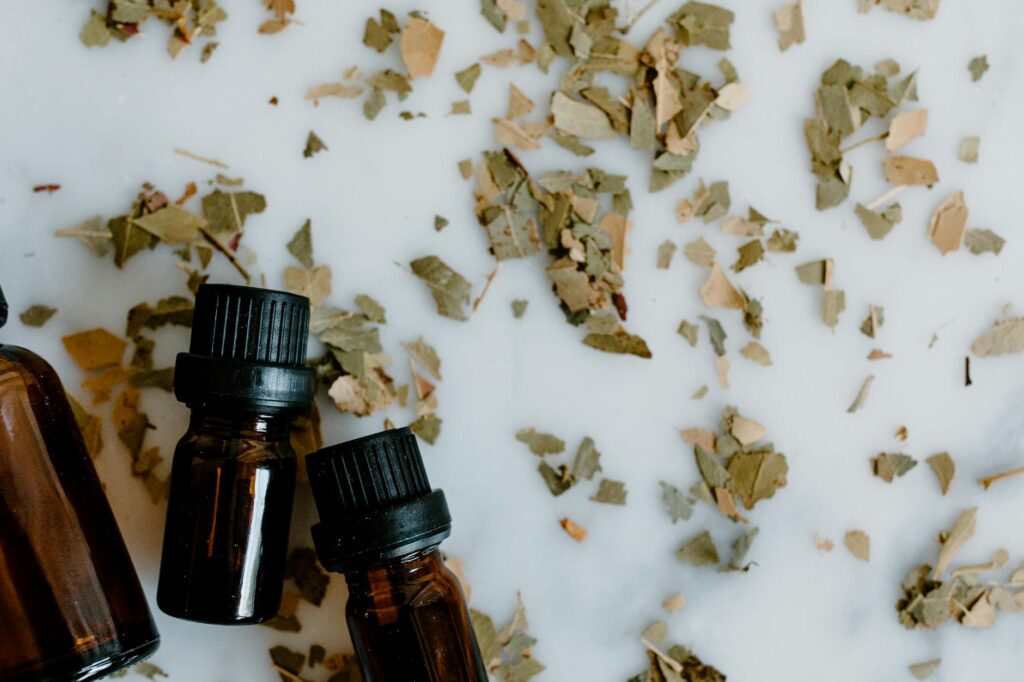
Proper storage of essential oils is critical to maintain their potency and effectiveness. Essential oils should be stored in a cool, dark place, away from direct sunlight and heat. Dark glass bottles are preferable, as they help protect the oils from light degradation.
Shelf Life
The shelf life of essential oils varies depending on the type. Generally, most essential oils can last from 1 to 3 years, while citrus oils may have a shorter shelf life of about 6 months to 1 year. It is advisable to label the storage date and check for any changes in color, scent, or consistency before use.
Frequently Asked Questions
1. Can aromatherapy replace conventional medicine?
Aromatherapy should not be viewed as a replacement for conventional medicine. It can complement traditional treatments, but individuals should consult healthcare professionals for medical advice.
2. How often can I use aromatherapy blends for respiratory health?
The frequency of use can vary based on individual needs and the specific blend. It is advisable to start with once or twice daily and adjust as necessary based on personal experience.
3. What are the best essential oils for respiratory support?
Common choices include eucalyptus, peppermint, tea tree, lavender, chamomile, and lemon, but individual preferences and sensitivities can influence the best selection.
4. Are there any contraindications for using essential oils?
Yes, certain medical conditions, pregnancy, and young children may have specific contraindications. Always consult a healthcare provider if you have concerns.
5. Can I make my own respiratory blend?
Yes, creating a personalized blend can be an enriching experience. Start with the essential oils that resonate with you, and consider their properties to create a balanced blend.
Conclusion
Aromatherapy blends for respiratory health can serve as a natural adjunct to promote comfort and well-being. With their diverse properties and applications, essential oils can be a valuable addition to holistic health practices. However, it is crucial to approach their use with mindfulness, ensuring safety and efficacy through responsible practices. As interest in natural health continues to grow, the exploration of aromatherapy offers a compelling avenue for enhancing respiratory health and overall wellness.