
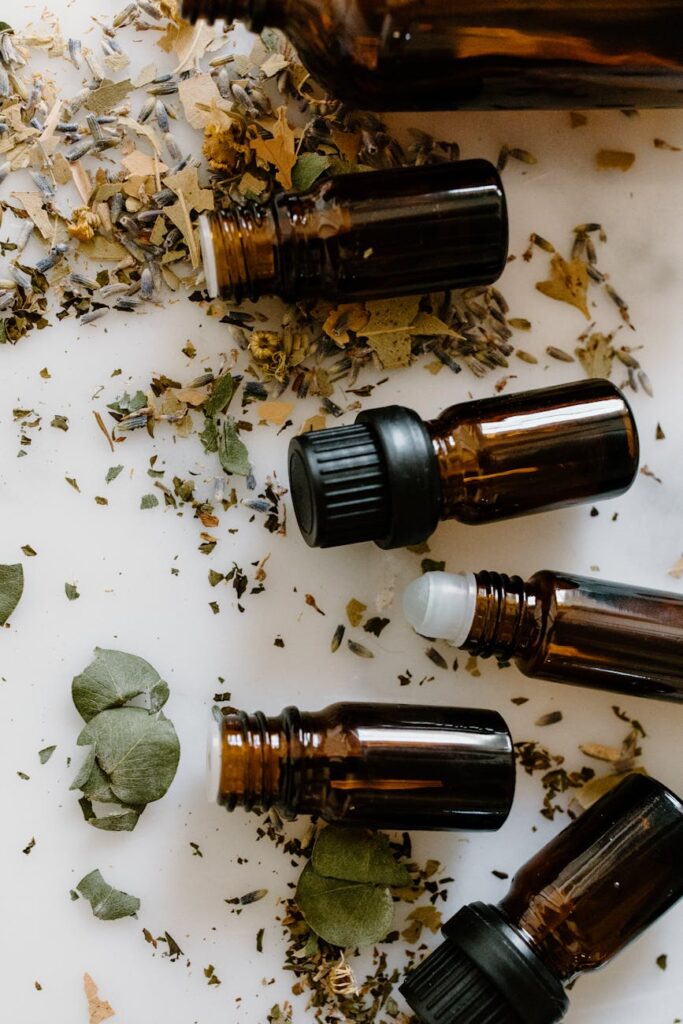
Properties and Uses of Aromatherapy Blends for Seasonal Allergies
Introduction
Seasonal allergies, often triggered by pollen from trees, grasses, and flowers, affect millions of individuals worldwide. Symptoms can range from mild to severe and may include sneezing, nasal congestion, itchy eyes, and fatigue. Many people seek alternative remedies to alleviate these symptoms, and aromatherapy has emerged as a popular choice. This article explores the properties and uses of aromatherapy blends specifically formulated for seasonal allergies, highlighting their benefits, applications, and safety considerations.
What Is Aromatherapy Blends for Seasonal Allergies?
Aromatherapy involves the use of essential oils extracted from plants to promote physical and emotional well-being. Aromatherapy blends for seasonal allergies typically combine various essential oils known for their anti-inflammatory, antihistamine, and soothing properties. These blends aim to provide relief from allergy symptoms while enhancing overall mental and emotional health.
Essential oils can be inhaled, diffused, or applied topically when diluted with a carrier oil. The aromatic compounds in these oils are believed to interact with the brain’s limbic system, influencing mood and potentially helping to alleviate allergy-related discomfort.
Key Benefits and Properties
The essential oils commonly used in aromatherapy blends for seasonal allergies possess several beneficial properties:
1. Anti-inflammatory Effects
Many essential oils, such as eucalyptus and peppermint, have anti-inflammatory properties that can help reduce swelling in the nasal passages and airways, making breathing easier during allergy season.
2. Antihistamine Properties
Certain oils, like lavender and chamomile, may exhibit natural antihistamine effects, helping to counteract the body’s histamine response to allergens.
3. Decongestant Qualities
Essential oils such as tea tree and lemon can act as natural decongestants, helping to clear nasal passages and promote easier breathing.
4. Calming Effects
Seasonal allergies can lead to increased stress and anxiety. Oils like bergamot and ylang-ylang possess calming properties, which can help promote relaxation and emotional balance.
5. Immune Support
Some essential oils, including thyme and frankincense, are believed to support the immune system, assisting the body in fighting off allergens more effectively.
Common Uses
Aromatherapy blends for seasonal allergies can be used in various ways to provide relief and comfort. Here are some common applications:
1. Inhalation
Inhaling essential oils directly can provide immediate relief. This can be done by adding a few drops of an aromatherapy blend to a tissue or cotton ball and taking deep breaths.
2. Diffusion
Using an essential oil diffuser allows for a gentle, continuous release of aromatic compounds into the air. This method can help create a soothing environment while reducing allergy symptoms.
3. Topical Application
When diluted with a carrier oil, such as jojoba or sweet almond oil, aromatherapy blends can be applied to pulse points, such as wrists or behind the ears. This method can offer localized relief, particularly for symptoms like headaches or sinus pressure.
4. Bathing
Adding a few drops of an aromatherapy blend to a warm bath can create a relaxing experience while simultaneously helping to alleviate allergy symptoms through inhalation and skin absorption.
5. Steam Inhalation
Adding essential oils to a bowl of hot water and inhaling the steam can provide intense relief from nasal congestion and respiratory discomfort.
Aromatherapy Applications
Popular Essential Oils for Seasonal Allergies
Here are some essential oils commonly included in blends for seasonal allergies:
- Eucalyptus: Known for its decongestant properties, eucalyptus helps open up the airways and can ease respiratory symptoms.
- Peppermint: This invigorating oil can help relieve sinus pressure and headaches associated with allergies.
- Lavender: Renowned for its calming effects, lavender also possesses antihistamine properties that can help alleviate allergy symptoms.
- Lemon: With its uplifting scent, lemon oil can act as a natural decongestant and aid in clearing sinus passages.
- Tea Tree: This oil has powerful antiseptic properties, making it beneficial for respiratory health.
- Chamomile: This oil is known for its soothing effects, which can help calm irritated sinuses and reduce inflammation.
- 5 drops eucalyptus essential oil
- 3 drops lavender essential oil
- 2 drops lemon essential oil
- 2 drops peppermint essential oil
- 1 tablespoon carrier oil (for topical application)
- Dark Glass Containers: Store essential oils in dark glass bottles to protect them from light, which can degrade their quality.
- Cool, Dry Place: Keep essential oils in a cool, dry environment, away from direct sunlight and heat sources.
- Avoid Contamination: Use a clean dropper or pipette to avoid contamination of the oils, which can reduce shelf life.
- Check Expiration Dates: Essential oils can have varying shelf lives, typically ranging from 1 to 5 years. Check labels for specific expiration dates and discard oils that have changed in color, scent, or consistency.
Sample Aromatherapy Blend
Soothing Allergy Relief Blend:
Mix the essential oils and carrier oil in a small glass container. This blend can be used for inhalation, diffusion, or topical application.
Safety Considerations
While aromatherapy is generally considered safe, there are several important safety considerations to keep in mind:
1. Dilution: Always dilute essential oils with a carrier oil before applying them to the skin to prevent irritation or allergic reactions.
2. Sensitivity: Conduct a patch test on a small area of skin before using a new essential oil or blend to check for sensitivity.
3. Pregnancy and Nursing: Pregnant and nursing individuals should consult with a healthcare provider before using essential oils, as some oils may not be safe during these times.
4. Children and Pets: Use caution when using essential oils around children and pets, as some essential oils can be harmful to them.
5. Allergic Reactions: If you experience any adverse reactions, such as skin irritation or respiratory distress, discontinue use immediately and consult a healthcare professional.
Storage and Shelf Life
Proper storage of essential oils is crucial for maintaining their potency and effectiveness. Here are some tips for storing aromatherapy blends:
Frequently Asked Questions
1. Can aromatherapy completely cure seasonal allergies?
Aromatherapy is not a cure for seasonal allergies but may provide relief from symptoms. Consultation with a healthcare provider is recommended for comprehensive allergy management.
2. Can I use essential oils if I have asthma?
Individuals with asthma should exercise caution when using essential oils, as some can trigger respiratory issues. It’s advisable to consult a healthcare provider before use.
3. How often can I use aromatherapy blends for seasonal allergies?
The frequency of use can vary based on individual preferences and sensitivity. Generally, aromatherapy blends can be used multiple times throughout the day as needed.
4. Can I make my own aromatherapy blends?
Yes, creating your own blends is a common practice. However, it is essential to research the properties of each essential oil and ensure safe dilution.
5. Are there essential oils that should be avoided during allergy season?
Certain oils may irritate sensitive respiratory systems, such as those with strong, heavy scents. It’s best to start with lighter, more soothing oils and consult with a healthcare provider if uncertain.
Conclusion
Aromatherapy blends can offer a natural and soothing approach to managing seasonal allergies. By harnessing the properties of essential oils known for their anti-inflammatory, antihistamine, and calming effects, individuals may find relief from the discomfort associated with allergies. However, it is important to approach aromatherapy with knowledge and caution, ensuring safe practices and proper usage. As with any alternative remedy, consulting a healthcare professional for personalized advice is recommended, particularly for individuals with existing health conditions.