
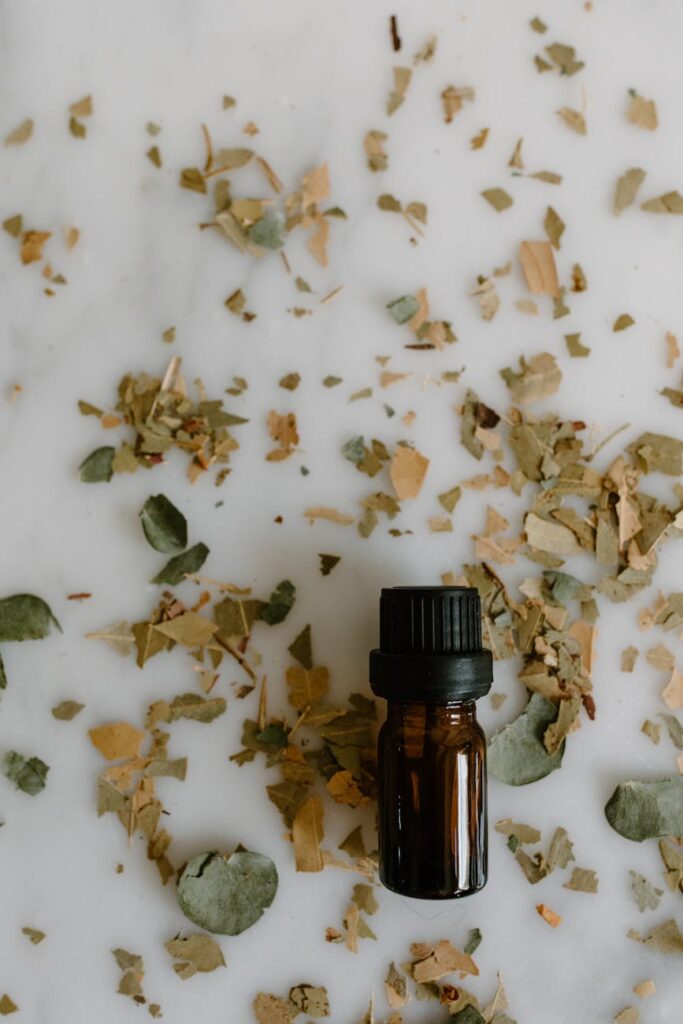
Properties and Uses of Aromatherapy Blends for Seasonal Immune Boosting
Introduction
As the seasons change, so do the demands on our immune system. Aromatherapy, a holistic healing practice utilizing essential oils derived from plants, has garnered attention for its potential to support wellness during these transitional times. This article delves into the properties and uses of aromatherapy blends specifically designed for seasonal immune boosting, exploring their composition, benefits, applications, and safety considerations.
What Is Aromatherapy Blends for Seasonal Immune Boosting?
Aromatherapy blends for seasonal immune boosting consist of combinations of essential oils chosen for their individual and synergistic properties that may support immune function, enhance mood, and promote overall well-being. These blends are typically formulated to counteract the challenges posed by seasonal changes, such as increased susceptibility to colds, allergies, and other ailments.
Commonly used essential oils in these blends include eucalyptus, tea tree, lemon, and rosemary, each recognized for their specific properties that may contribute to immune support. The effectiveness of these blends is attributed to the chemical compounds present in the oils, which can interact with the body in various ways.
Key Benefits and Properties
Antimicrobial Properties
Many essential oils possess inherent antimicrobial properties that may help fend off pathogens. For instance, tea tree oil (Melaleuca alternifolia) is well-known for its ability to combat bacteria and viruses, while eucalyptus (Eucalyptus globulus) may help clear respiratory pathways.
Immune System Support
Certain oils, such as oregano (Origanum vulgare) and thyme (Thymus vulgaris), are believed to stimulate the immune system. Their rich content of phenolic compounds may enhance the body’s natural defenses during peak cold and flu seasons.
Respiratory Health
Blends containing oils like peppermint (Mentha piperita) and lavender (Lavandula angustifolia) may promote respiratory health, helping to clear nasal passages and alleviate breathing difficulties associated with seasonal allergies.
Mood Enhancement
The olfactory stimulation provided by essential oils can also uplift mood and reduce stress, which is crucial for maintaining a robust immune system. Citrus oils such as lemon (Citrus limon) are often included in these blends for their refreshing and uplifting properties.
Common Uses
Aromatherapy blends for immune boosting can be used in various ways to maximize their benefits. Here are some common applications:
Diffusion
Using a diffuser is one of the most popular methods to disperse essential oils into the air. This method allows for the inhalation of beneficial compounds while simultaneously enhancing the ambiance of a space.
Topical Application
Many blends can be diluted with a carrier oil (such as jojoba or coconut oil) and applied to the skin. This method allows the oils to be absorbed transdermally, promoting localized effects.
Inhalation
Direct inhalation from the bottle or via steam inhalation can deliver immediate benefits. Simply adding a few drops of an essential oil blend to a bowl of hot water and inhaling the steam can be effective.
Bathing
Adding a few drops of a diluted essential oil blend to a warm bath can promote relaxation and enhance the immune-boosting experience through skin absorption and inhalation.
Household Cleaning
Some essential oils are also effective for cleaning surfaces, providing antimicrobial properties that help maintain a healthy living environment.
Aromatherapy Applications
Essential Oil Blends for Immune Support
1. Eucalyptus and Lemon Blend: Combining eucalyptus with lemon can create a refreshing blend that may help open airways and uplift the spirit.
2. Tea Tree and Lavender Blend: This combination may offer both calming and antimicrobial properties, making it suitable for daily use during flu season.
3. Thyme and Rosemary Blend: A more robust blend that can invigorate and support the immune system, particularly during transitional seasons.
Creating Your Own Blend
For those interested in crafting personalized blends, consider the following essential oils known for their immune-boosting properties:
- Oregano: Known for its strong antimicrobial effects.
- Frankincense: Often praised for its grounding aroma and potential immune support.
- Cinnamon: Adds warmth and may have protective properties against seasonal pathogens.
- Dilution: Always dilute essential oils with a carrier oil before topical application. Undiluted oils can cause skin irritation or sensitization.
- Pregnancy and Nursing: Certain essential oils may not be safe during pregnancy or breastfeeding. Consult with a qualified professional for guidance.
- Allergies: Conduct a patch test by applying a diluted oil to a small skin area to check for adverse reactions.
- Pre-existing Conditions: Individuals with respiratory issues, skin sensitivities, or other health concerns should consult a healthcare provider before using essential oils.
- Children and Pets: Some oils may not be suitable for children or pets. Ensure that any oils used around them are safe.
- Storage Conditions: Keep essential oils in dark glass bottles, away from sunlight and heat, to prevent degradation.
- Shelf Life: The shelf life of essential oils can vary. Most oils last between 1-3 years. Citrus oils tend to have a shorter shelf life, while oils like patchouli and sandalwood can improve with age.
When creating a blend, use a ratio of 3-5% essential oils to carrier oil for topical applications, adjusting the concentration based on personal preference and sensitivity.
Safety Considerations
While essential oils are generally regarded as safe when used correctly, there are important precautions to consider:
Storage and Shelf Life
Proper storage is essential for maintaining the integrity of essential oils and blends:
Frequently Asked Questions
Can aromatherapy blends replace medical treatment?
Aromatherapy should be viewed as a complementary practice rather than a substitute for medical treatment. While blends may support wellness, they do not cure diseases or replace professional care.
How often can I use these blends?
The frequency of use will depend on the specific blend and individual tolerance. For topical applications, 1-3 times per day is common, while diffusing can occur as needed.
Are there any essential oils to avoid during specific seasons?
Some oils, like peppermint, may be too stimulating for certain individuals, especially during allergy season. It is advisable to choose oils that resonate well with personal preferences and needs.
Can I use these blends in a humidifier?
It is generally not recommended to use essential oils in humidifiers unless specified by the manufacturer, as the oils can degrade plastic components. Opt for diffusers specifically designed for essential oils.
Where can I find quality essential oils?
Look for reputable suppliers that offer pure, therapeutic-grade essential oils. Certifications like organic or GC/MS testing can also indicate quality.
Conclusion
Aromatherapy blends for seasonal immune boosting offer a holistic approach to support overall wellness during transitional times. By understanding the properties, benefits, and applications of these blends, individuals can harness the power of nature to enhance their immune function and promote a sense of well-being. As always, practicing proper safety measures and considerations will ensure a safe and enjoyable aromatherapy experience.