
Properties and Uses of Aromatherapy Blends for Seasonal Mood Changes
Introduction
As the seasons shift, many individuals experience changes in their mood and emotional well-being. These fluctuations can be influenced by various factors, including variations in light exposure, temperature, and even social activities. Aromatherapy, an ancient practice that utilizes essential oils derived from plants, offers a natural approach to support emotional balance during these transitional times. This article delves into the properties and uses of aromatherapy blends specifically crafted to address seasonal mood changes.
What Is Aromatherapy Blends for Seasonal Mood Changes?
Aromatherapy blends for seasonal mood changes consist of carefully selected essential oils combined to enhance emotional well-being. These blends are designed to evoke positive emotional responses, alleviate feelings of sadness, and promote relaxation or invigoration, depending on the season. Essential oils, known for their aromatic properties, can influence the limbic system of the brain, which plays a crucial role in emotional regulation.
Key Components of Aromatherapy Blends
1. Essential Oils: The primary ingredients in aromatherapy blends are essential oils, which are extracted from various parts of plants, including leaves, flowers, and roots. Each oil carries unique properties that can influence mood and emotional health.
2. Carrier Oils: When using essential oils, especially for topical applications, carrier oils, such as jojoba or sweet almond oil, are often added to dilute the concentrated essential oils. This ensures safe application on the skin and enhances the overall aromatic experience.
3. Synergy: The effectiveness of an aromatherapy blend often comes from the synergistic effects of combining different essential oils. The interaction between various oils can enhance their individual therapeutic properties, leading to a more profound impact on mood.
Key Benefits and Properties
Aromatherapy blends for seasonal mood changes can provide several benefits, including:
1. Emotional Support
Certain essential oils have been shown to help alleviate feelings of anxiety or sadness. For instance, oils like lavender and bergamot are renowned for their calming effects, while citrus oils such as lemon and orange can uplift the spirit.
2. Enhanced Relaxation
Blends containing oils like chamomile and sandalwood are known for their relaxing properties. These oils can help ease tension and promote a sense of tranquility, making them ideal for use during stressful seasonal transitions.
3. Increased Energy and Motivation
As daylight hours decrease in winter, many people experience fatigue or lethargy. Blends with energizing oils such as peppermint and rosemary can stimulate mental clarity and motivation, providing a natural boost when energy levels dip.
4. Improved Sleep Quality
Seasonal changes can disrupt sleep patterns. Oils like cedarwood and marjoram are often used in blends designed to promote restful sleep, helping to establish a calming bedtime routine.
Common Uses
Aromatherapy blends can be utilized in various ways to support emotional well-being throughout the seasons:
1. Diffusion
Using an essential oil diffuser is one of the most popular methods for dispersing aromatherapy blends into the air. This method allows the oils to be inhaled, providing immediate access to their aromatic properties and emotional benefits.
2. Topical Application
When diluted with carrier oils, aromatherapy blends can be applied to the skin. Common application areas include pulse points, such as wrists and temples, or as part of a massage. This method allows for both inhalation and absorption of the oils.
3. Bathing
Adding aromatherapy blends to bathwater can create a soothing and immersive experience. The combination of warm water and essential oils can enhance relaxation, making it an ideal practice during times of seasonal stress or fatigue.
4. Inhalation
For a quick mood boost, simply inhaling the scent of an essential oil directly from the bottle or by placing a few drops on a tissue can provide immediate emotional support.
Aromatherapy Applications
The following are some recommended aromatherapy blends tailored to different seasonal mood changes:
1. Winter Blues Blend
- Ingredients:
- 3 drops of bergamot
- 2 drops of frankincense
- 2 drops of sweet orange
- Ingredients:
- 3 drops of lemon
- 2 drops of lavender
- 2 drops of rosemary
- Ingredients:
- 3 drops of peppermint
- 2 drops of eucalyptus
- 2 drops of grapefruit
- Ingredients:
- 3 drops of cedarwood
- 2 drops of clary sage
- 2 drops of chamomile
This blend can help uplift the spirits and counteract feelings of sadness often associated with the winter months.
2. Spring Renewal Blend
Ideal for the energizing feeling of spring, this blend promotes clarity and rejuvenation.
3. Summer Refresh Blend
This invigorating blend is perfect for combating the fatigue that can come with the heat of summer.
4. Autumn Comfort Blend
This warm and comforting blend can help ease the transition into the cooler months and promote relaxation.
Safety Considerations
While aromatherapy can be beneficial, it is essential to practice safety when using essential oils:
1. Dilution: Always dilute essential oils with a carrier oil before applying them to the skin to prevent irritation.
2. Patch Test: Conduct a patch test on a small skin area to check for any allergic reactions before widespread use.
3. Consultation: Pregnant individuals, nursing mothers, and those with specific medical conditions should consult with a qualified professional before using essential oils.
4. Quality of Oils: Use high-quality, pure essential oils from reputable sources to ensure safety and efficacy.
Storage and Shelf Life
Proper storage of essential oils is crucial for maintaining their potency and effectiveness:
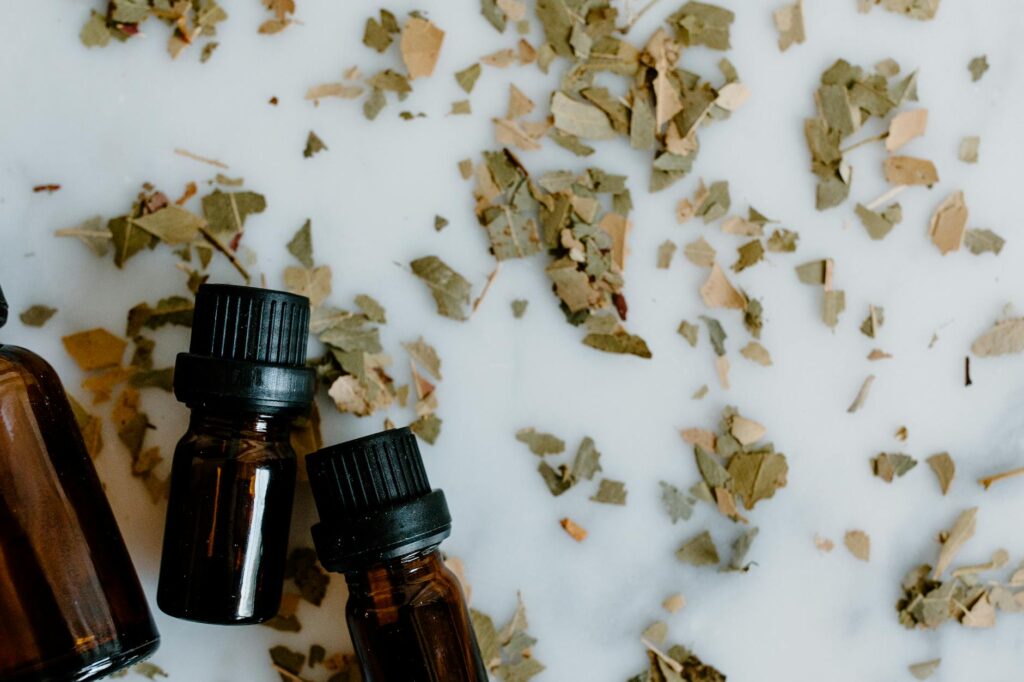
1. Dark Containers: Store essential oils in dark glass bottles to protect them from light, which can degrade their quality.
2. Cool, Dry Place: Keep oils in a cool, dry environment, away from direct sunlight and heat sources.
3. Shelf Life: Essential oils have varying shelf lives, typically ranging from 1 to 5 years. Citrus oils tend to have a shorter shelf life, while oils like patchouli can last much longer.
Frequently Asked Questions
1. Can I create my own aromatherapy blends?
Yes, with a basic understanding of essential oil properties and safety guidelines, individuals can experiment with creating their own blends tailored to their preferences.
2. How often can I use aromatherapy blends?
Frequency of use can vary depending on personal preference and specific oils. Generally, using blends a few times daily is safe, but always monitor how your body responds.
3. Are there any essential oils to avoid during pregnancy?
Certain essential oils, such as clary sage and rosemary, should be avoided during pregnancy. It is essential to consult a healthcare provider for personalized recommendations.
4. Can aromatherapy blends replace traditional medicine?
Aromatherapy is a complementary approach and should not be used as a substitute for professional medical treatment. Always consult a healthcare professional for medical concerns.
Conclusion
Aromatherapy blends can serve as a valuable tool for navigating the emotional challenges that accompany seasonal changes. By harnessing the unique properties of essential oils, individuals can create personalized blends that promote emotional well-being and enhance their overall quality of life. Understanding the benefits, uses, and safety considerations of these blends empowers individuals to incorporate aromatherapy into their self-care routines effectively.