
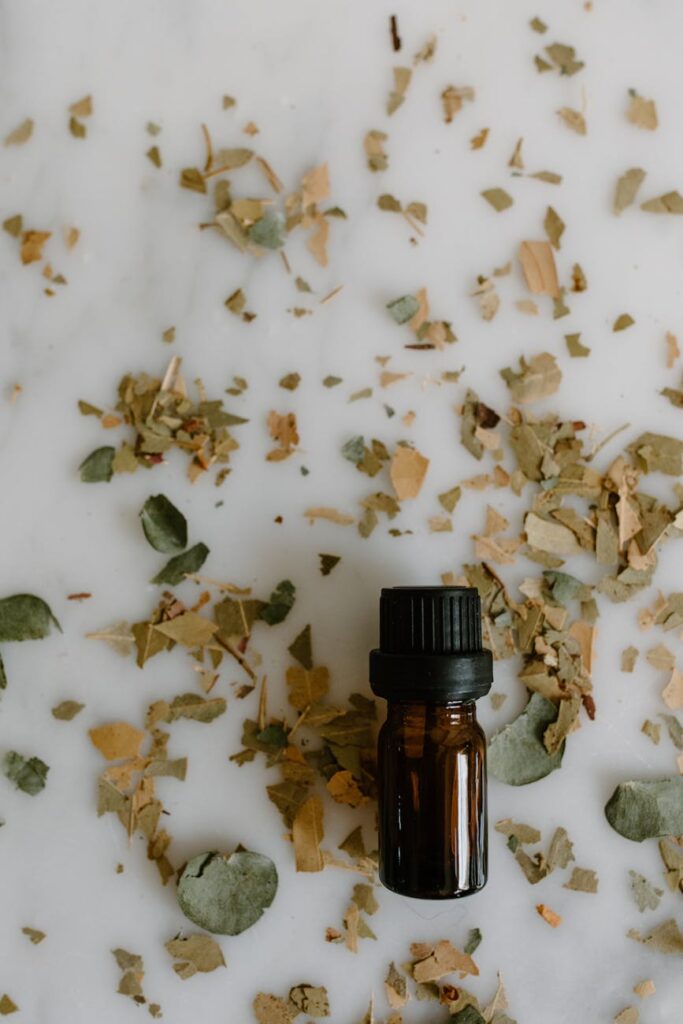
Properties and Uses of Aromatherapy Blends for Seasonal Mood Enhancement
Introduction
As the seasons change, many individuals experience shifts in their mood and emotional well-being. The arrival of winter may bring feelings of lethargy and sadness, while spring often evokes a sense of renewal and energy. Aromatherapy, an ancient practice that utilizes essential oils for therapeutic purposes, offers a natural approach to enhance mood and alleviate seasonal emotional fluctuations. This article delves into the properties and uses of aromatherapy blends specifically designed for seasonal mood enhancement, exploring their benefits, applications, and safety considerations.
What Is Aromatherapy Blends for Seasonal Mood Enhancement?
Aromatherapy blends are mixtures of essential oils that are chosen for their aromatic and therapeutic properties. These blends are designed to evoke specific emotional responses and promote well-being, particularly during transitional seasons when mood changes are common. Seasonal mood enhancement blends typically incorporate oils known for their uplifting, calming, or grounding effects, allowing individuals to tailor their aromatic experience to their emotional needs.
Key Benefits and Properties
Uplifting and Energizing
Certain essential oils, such as sweet orange, lemon, and peppermint, possess uplifting properties that can help combat feelings of fatigue and lethargy often associated with seasonal changes. These oils stimulate the senses, invigorate the mind, and promote feelings of happiness and vitality.
Calming and Grounding
Conversely, oils such as lavender, chamomile, and frankincense are known for their calming and grounding properties. These essential oils help reduce anxiety and stress, making them suitable for individuals who may feel overwhelmed during transitions like the end of summer or the onset of winter.
Mood Stabilizing
Blends that include oils like bergamot and ylang-ylang can help stabilize mood swings. These oils are often used to create a balanced emotional state, providing comfort during times of change.
Mindfulness and Clarity
Essential oils such as rosemary and basil are believed to enhance mental clarity and promote mindfulness. Their invigorating scents can help individuals focus, making them ideal for those who may feel distracted or unfocused during seasonal transitions.
Common Uses
Aromatherapy blends for seasonal mood enhancement can be employed in various ways to suit personal preferences and lifestyles. Here are some common uses:
Diffusion
Using an essential oil diffuser is one of the most popular methods for dispersing aromatherapy blends into the air. This method allows for the gentle release of aromatic compounds, creating an inviting and uplifting atmosphere in any space.
Personal Inhalation
Individuals may choose to inhale essential oils directly from the bottle or place a few drops on a tissue or cotton ball. This immediate inhalation can provide quick relief and an instant mood boost.
Personal Care Products
Aromatherapy blends can be incorporated into lotions, creams, and body oils, allowing users to enjoy the aromatic benefits while nourishing their skin. Adding a few drops to a carrier oil or body lotion can enhance daily self-care routines.
Bathing Rituals
Adding essential oils to bathwater creates a soothing and aromatic experience. This method not only promotes relaxation but also allows the body to absorb the beneficial properties of the oils.
Massage Therapy
Combining essential oils with a carrier oil for massage can provide both physical relaxation and emotional uplift. The therapeutic touch, along with the aromatic experience, promotes a holistic approach to seasonal mood enhancement.
Aromatherapy Applications
Seasonal Blends for Different Times of Year
- Winter: Blends that include warm and spicy oils such as cinnamon and clove can evoke feelings of comfort and coziness. Citrus oils like orange or lemon can also help combat the winter blues by bringing brightness to the atmosphere.
- Spring: Floral and fresh scents like lavender and geranium can promote feelings of renewal and growth, aligning with the vibrant energy of spring. Uplifting oils such as grapefruit and lemon can invigorate the senses.
- Summer: Light and airy scents like eucalyptus and peppermint can be refreshing during the hot summer months. These oils can promote energy and clarity, helping individuals feel more active and engaged.
- Autumn: Earthy and grounding oils like cedarwood and sandalwood can provide comfort as the days shorten and temperatures drop. Blends that incorporate spices like nutmeg and cardamom can evoke the warmth and coziness of fall.
Safety Considerations
While aromatherapy can be a beneficial practice, it is essential to adhere to safety guidelines to ensure a positive experience:
Dilution
Essential oils are highly concentrated and should always be diluted in a carrier oil before applying to the skin to avoid irritation. A common dilution ratio is 2-3 drops of essential oil per teaspoon of carrier oil.
Allergies and Sensitivities
Individuals should conduct a patch test before using a new essential oil to ensure there are no allergic reactions. If irritation occurs, discontinue use immediately.
Pregnancy and Nursing
Pregnant or nursing individuals should consult with a qualified practitioner before using essential oils, as some oils may not be suitable during these times.
Children and Pets
Certain essential oils are not safe for use around children or pets. It is important to research specific oils and consult with a professional if you are unsure about their safety.
Storage and Shelf Life
Proper storage of essential oils is crucial to maintain their potency and effectiveness. Here are some guidelines:
Storage Conditions
Essential oils should be stored in a cool, dark place, away from direct sunlight and heat sources. Dark glass bottles are preferred, as they help protect the oils from light degradation.
Shelf Life
The shelf life of essential oils can vary widely depending on the type of oil and its composition. Generally, citrus oils have a shorter shelf life of about 1-2 years, while oils like sandalwood and patchouli can last for several years. Always check for signs of rancidity or changes in scent before use.
Frequently Asked Questions
1. Can I create my own aromatherapy blends for mood enhancement?
Absolutely! Many individuals enjoy blending their own essential oils to create personalized mixtures that suit their emotional needs. Start with a small number of oils and experiment with different ratios until you find a blend that resonates with you.
2. How often should I use aromatherapy blends for mood enhancement?
The frequency of use can vary depending on personal preference. Many individuals find that using their chosen blend daily or during specific times of emotional need is beneficial.
3. Are there any essential oils I should avoid?
Certain essential oils, such as those derived from the wintergreen or birch family, should be avoided in large quantities due to their potential toxicity. Always conduct thorough research and seek guidance from a qualified aromatherapist if unsure.
4. Can aromatherapy blends replace professional counseling or medication?
While aromatherapy can be a helpful tool for enhancing mood, it is not a substitute for professional mental health care. Individuals experiencing severe emotional distress should seek support from licensed professionals.
5. How can I incorporate aromatherapy into my daily routine?
Incorporating aromatherapy into your daily routine can be as simple as adding a few drops of essential oil to your morning shower, using a diffuser during work hours, or applying a calming blend before bedtime.
Conclusion
Aromatherapy blends for seasonal mood enhancement provide a natural and holistic approach to managing emotional fluctuations that often accompany changing seasons. By understanding the properties and benefits of various essential oils, individuals can create personalized blends that resonate with their unique emotional states. With careful consideration of safety and proper application techniques, aromatherapy can serve as a valuable tool for promoting emotional well-being throughout the year.