
Properties and Uses of Aromatherapy Blends for Seasonal Transitions
Introduction
As the seasons shift, so too do our physical and emotional states. The transition from one season to another can evoke a variety of feelings, from excitement over the arrival of warmer weather to the melancholy that often accompanies the end of summer. Aromatherapy, an ancient practice that utilizes the therapeutic properties of essential oils, offers a holistic way to navigate these seasonal changes. This article delves into the properties and uses of aromatherapy blends specifically designed for seasonal transitions, exploring their benefits, common applications, and safety considerations.
What Is Aromatherapy Blends for Seasonal Transitions?
Aromatherapy blends for seasonal transitions are carefully formulated combinations of essential oils that aim to balance and support the body and mind during times of change. Essential oils, derived from various parts of plants, possess unique aromatic compounds that can influence mood, energy levels, and overall well-being. By using specific blends tailored to the characteristics of each season, individuals can enhance their emotional and physical responses to these changes, promoting a sense of harmony and balance.
Key Benefits and Properties
The therapeutic efficacy of aromatherapy blends is largely attributed to the unique properties of essential oils. Understanding these properties can help individuals select the most suitable blends for their needs during seasonal transitions.
Emotional Balance
Many essential oils are known for their ability to promote emotional well-being. For instance, citrus oils like lemon and bergamot can uplift spirits and reduce feelings of anxiety, while grounding oils such as sandalwood and frankincense can induce calmness and relaxation. Blends that combine these oils can help ease emotional turmoil often experienced during seasonal shifts.
Immune Support
Seasonal changes can often lead to fluctuations in health, as the body adjusts to different environmental conditions. Essential oils like eucalyptus and tea tree possess antimicrobial properties that may support the immune system. Incorporating these oils into blends can help fortify the body’s defenses during transitional periods.
Energy and Focus
As the seasons change, many people experience shifts in energy levels. Essential oils such as peppermint and rosemary are known for their stimulating properties, which can enhance mental clarity and focus. Blends that include these oils can provide a refreshing boost during the sluggish days of transitioning seasons.
Respiratory Relief
Seasonal transitions often bring about changes in weather, which can affect the respiratory system. Essential oils like lavender and chamomile are celebrated for their soothing properties, making them ideal for creating blends that promote respiratory comfort and ease.
Common Uses
Aromatherapy blends for seasonal transitions can be utilized in various ways, making them versatile tools for enhancing well-being. Here are some common uses:
Diffusion
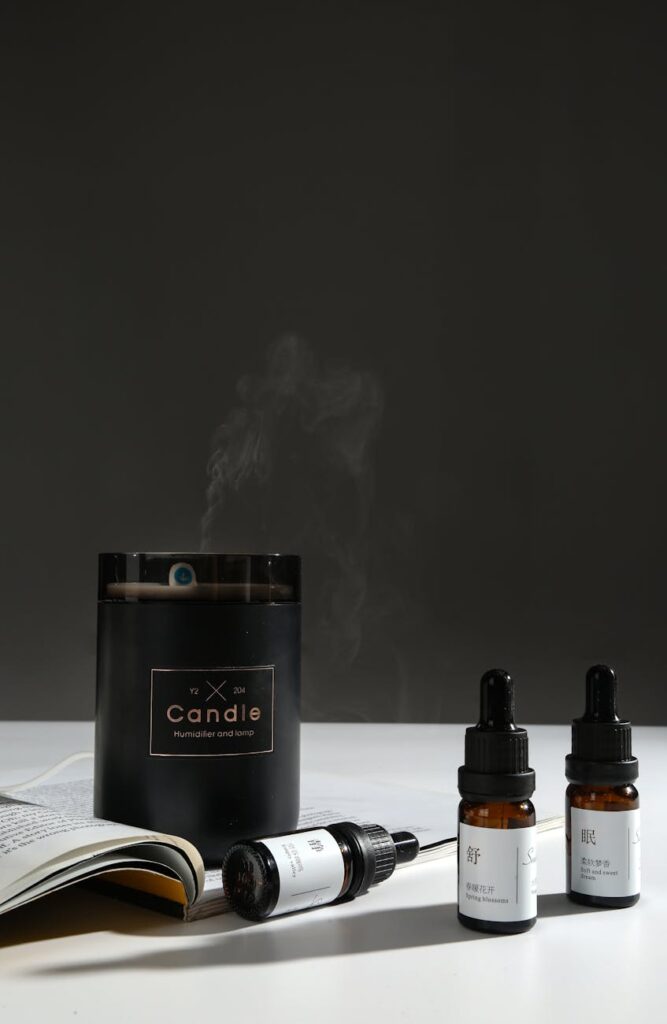
One of the most popular methods for using aromatherapy blends is through diffusion. By adding a few drops of the blend to a diffuser, the aromatic compounds are dispersed into the air, creating a calming or invigorating atmosphere. This method is particularly effective for promoting emotional balance and enhancing focus.
Topical Application
Many essential oils can be applied topically, often diluted in a carrier oil. This method allows for the direct absorption of the oils into the skin, providing localized relief and benefits. Blends designed for seasonal transitions can be applied to pulse points, the chest, or the back of the neck for maximum effect.
Inhalation
Inhaling essential oils directly from the bottle or through a tissue can provide immediate benefits. This method is often used for quick emotional support or respiratory relief, making it an excellent option during times of seasonal change.
Bathing
Adding aromatherapy blends to a warm bath can create a soothing experience that enhances relaxation. The heat and steam can help diffuse the oils, allowing for both inhalation and topical absorption. This practice is particularly beneficial during colder months or when transitioning from hot to cooler weather.
Aromatherapy Applications
Spring Transitions
In the spring, as life begins to blossom, individuals may experience feelings of renewal and revitalization. Blends that incorporate uplifting citrus oils such as grapefruit and lemon, combined with grounding oils like cedarwood, can help balance energy levels and promote emotional clarity.
Summer Transitions
As summer approaches, the heat can become overwhelming, leading to feelings of fatigue or irritability. Blends featuring cooling oils like peppermint and eucalyptus can help invigorate the mind and body. Additionally, floral oils such as geranium can provide emotional support during this lively season.
Autumn Transitions
The arrival of autumn often brings about feelings of nostalgia and reflection. Warm, comforting oils like cinnamon and clove combined with grounding oils such as vetiver can create a cozy atmosphere. These blends may help individuals process emotions and prepare for the upcoming winter months.
Winter Transitions
Winter can be a challenging season, marked by shorter days and colder temperatures. Blends that include warming oils like ginger and cardamom, along with soothing oils like lavender, can promote comfort and relaxation. These combinations may help alleviate feelings of seasonal sadness and provide emotional balance.
Safety Considerations
While aromatherapy can be a beneficial addition to one’s wellness routine, it is essential to exercise caution. Here are some key safety considerations:
Dilution
Essential oils are highly concentrated substances and should be diluted with a carrier oil before topical application. A common dilution ratio is 2-3 drops of essential oil per teaspoon of carrier oil.
Skin Sensitivity
Some individuals may have sensitivities or allergies to specific essential oils. It is advisable to conduct a patch test by applying a diluted oil to a small area of skin to check for any adverse reactions.
Pregnancy and Nursing
Certain essential oils are not recommended for use during pregnancy or nursing. Consulting with a healthcare professional is advisable for pregnant or nursing women considering the use of aromatherapy.
Children and Pets
Some essential oils can be harmful to children and pets. It is crucial to research the safety of specific oils and consult guidelines for use around these vulnerable populations.
Storage and Shelf Life
Proper storage is vital to maintain the efficacy of essential oils. Here are some guidelines to follow:
Storage
Essential oils should be stored in dark glass bottles, away from direct sunlight and heat sources. A cool, dark cabinet is ideal for preserving the integrity of the oils.
Shelf Life
The shelf life of essential oils varies by type. Generally, citrus oils have a shorter shelf life of about 1-2 years, while oils like sandalwood and patchouli can last for several years when stored properly. It is advisable to check for any changes in aroma or consistency before use.
Frequently Asked Questions
Can I create my own aromatherapy blends for seasonal transitions?
Yes, creating custom aromatherapy blends can be a rewarding experience. However, it is essential to understand the properties of different essential oils and how they interact. Experimenting with small batches can help you find the right combination for your seasonal needs.
How often can I use aromatherapy blends?
The frequency of use depends on individual preferences and sensitivities. Many people find that using aromatherapy blends several times a week or even daily can provide emotional and physical support during seasonal transitions.
Are there any specific oils to avoid?
While many essential oils are safe for general use, some may be irritating or contraindicated for certain populations. It is vital to research any essential oil you intend to use and consult guidelines regarding its safety, especially if you have specific health concerns.
How can I incorporate aromatherapy into my daily routine?
Aromatherapy can be easily incorporated into daily life through diffusion, topical applications, and bathing. Finding moments throughout the day, such as during meditation, yoga, or while taking a relaxing bath, can enhance the benefits of aromatherapy.
In conclusion, aromatherapy blends for seasonal transitions offer a natural and holistic approach to navigating the emotional and physical shifts that accompany changes in the seasons. By understanding the properties and applications of these blends, individuals can foster a greater sense of balance and well-being throughout the year.