
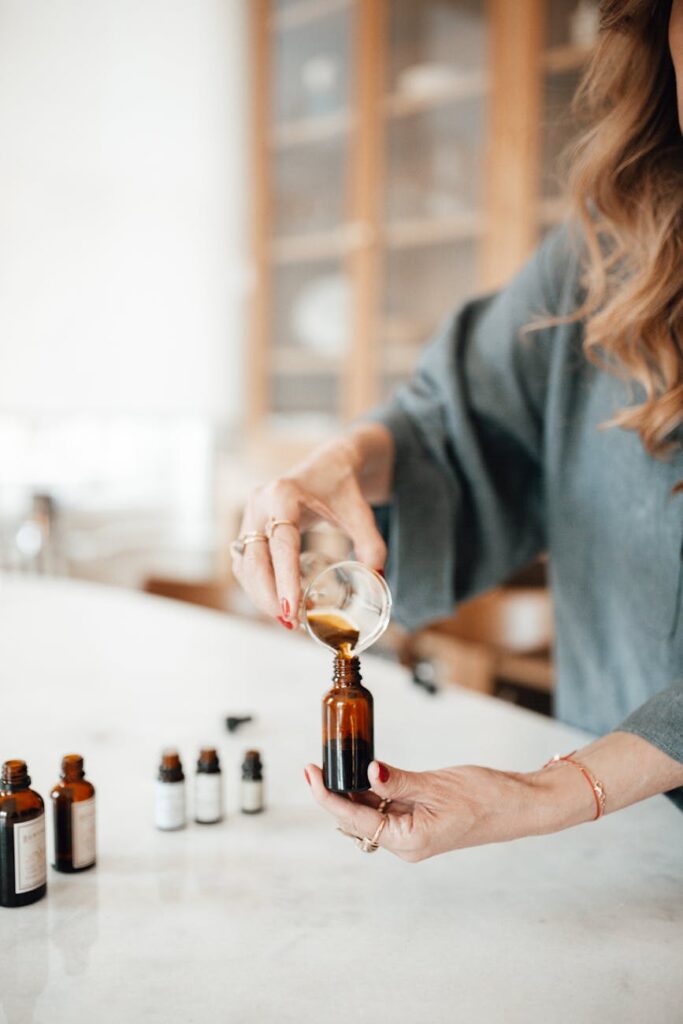
Properties and Uses of Aromatherapy Blends for Sleep
Introduction
In our fast-paced, modern world, achieving restful sleep can often feel elusive. Many individuals turn to various methods to enhance their sleep quality, and one increasingly popular approach is aromatherapy. Aromatherapy blends designed specifically for sleep harness the therapeutic properties of essential oils to promote relaxation and tranquility. This article delves into the nature of these blends, their benefits, common applications, safety considerations, and more.
What Is Aromatherapy Blends for Sleep?
Aromatherapy is the practice of using essential oils derived from plants to promote physical and psychological well-being. Aromatherapy blends for sleep typically consist of a combination of essential oils selected for their calming and sedative properties. Common ingredients in these blends may include lavender, chamomile, bergamot, and sandalwood, among others.
These blends are formulated to create a soothing environment, facilitating not only the onset of sleep but also its quality. The efficacy of aromatherapy lies in its ability to stimulate the olfactory system, which is closely linked to the brain’s emotional center, thereby influencing mood and relaxation.
Key Benefits and Properties
1. Promotes Relaxation
Essential oils used in sleep blends often exhibit calming effects. For instance, lavender is renowned for its ability to reduce stress and anxiety, making it a staple in many sleep formulations.
2. Improves Sleep Quality
Certain essential oils may help enhance the quality of sleep. Studies suggest that oils like chamomile and bergamot can lead to deeper, more restorative sleep cycles.
3. Reduces Sleep Disruptions
Aromatherapy blends may help in minimizing nighttime awakenings. Oils such as ylang-ylang and cedarwood can create an environment conducive to uninterrupted sleep.
4. Supports a Healthy Sleep Environment
By promoting relaxation and creating a serene atmosphere, these blends can contribute to a healthier sleep environment. The pleasant aromas can transform a bedroom into a sanctuary for rest.
Common Uses
Aromatherapy blends for sleep can be utilized in various ways to maximize their benefits. Here are some common applications:
1. Diffusion
Using an essential oil diffuser is one of the most popular ways to disperse the aroma of sleep blends throughout a room. This method allows for a gentle release of the oils, creating a calming atmosphere.
2. Topical Application
Blends can be diluted with a carrier oil and applied to pulse points, such as the wrists, neck, or behind the ears. This method allows for the direct absorption of the oils into the skin while providing an immediate aromatic experience.
3. Bathing
Adding a few drops of a sleep blend to a warm bath can enhance relaxation. The combination of warm water and essential oils can help alleviate tension and promote a sense of calm.
4. Pillow Sprays
Creating a pillow spray with a sleep blend can provide a direct and comforting scent as you lay down to sleep. This method can be particularly useful for individuals who have a hard time winding down at night.
Aromatherapy Applications
1. Creating a Sleep-Inducing Atmosphere
To foster a peaceful sleep environment, consider using a diffuser in your bedroom. Add a few drops of a sleep blend to the water, and let it run for about 30 minutes before bedtime. This ensures that the room is filled with calming scents, preparing the mind for rest.
2. Massage for Relaxation
Incorporating a sleep blend into a gentle massage can be beneficial. Mix the essential oils with a carrier oil, such as jojoba or sweet almond oil, and apply it to the back, shoulders, or feet. This not only delivers the benefits of the oils but also promotes physical relaxation through touch.
3. Bedtime Rituals
Incorporating aromatherapy into a bedtime routine can signal to the body that it’s time to wind down. Consider using a sleep blend in a warm bath, followed by applying a diluted oil to pulse points or using a pillow spray.
4. Meditation and Mindfulness
Using aromatherapy during meditation or mindfulness practices can enhance the experience. Incorporate sleep blends into your routine to promote deeper relaxation and mental clarity.
Safety Considerations
While aromatherapy is generally considered safe, there are several important safety considerations to keep in mind:
1. Dilution
Essential oils are potent and should always be diluted with a carrier oil before applying them to the skin. A common dilution ratio is 2-3 drops of essential oil per tablespoon of carrier oil.
2. Allergies and Sensitivities
Individuals with allergies or sensitivities should perform a patch test before using a new essential oil. Apply a small amount of diluted oil to a discreet area of skin and wait 24 hours to check for any adverse reactions.
3. Pregnancy and Nursing
Certain essential oils are not recommended during pregnancy or while nursing. It is advisable to consult a professional before using any essential oils in these situations.
4. Children and Pets
When using essential oils around children or pets, it is essential to ensure that the oils are safe for their age and species. Some essential oils can be toxic to animals, and children may require diluted formulations.
Storage and Shelf Life
Proper storage of essential oils and aromatherapy blends is crucial for maintaining their potency and efficacy. Here are some tips:
1. Store in Dark Glass Bottles
Essential oils should be stored in dark glass bottles to protect them from light, which can degrade their quality over time.
2. Keep in a Cool, Dry Place
Heat and humidity can also affect essential oils. Store them in a cool, dry location away from direct sunlight.
3. Monitor Shelf Life
Most essential oils have a shelf life of 1-5 years, depending on the type. Check for any changes in scent, color, or consistency, as these may indicate that the oil has expired.
Frequently Asked Questions
1. How do I choose the right aromatherapy blend for sleep?
Selecting a blend depends on personal preferences and specific needs. Look for blends containing calming oils like lavender, chamomile, and bergamot. Experimenting with different combinations can help you find what works best for you.
2. Can I use sleep blends in a diffuser?
Yes, using a diffuser is an effective way to disperse sleep blends throughout a room. Follow the manufacturer’s instructions for the appropriate amount of essential oils to use.
3. How long does the scent of the oils last?
The duration of the scent will depend on various factors, including the type of oil, the method of application, and environmental conditions. Diffused scents may linger for hours, while topical applications might fade more quickly.
4. Are there any oils I should avoid?
Certain essential oils can be stimulating and may not be suitable for sleep, such as peppermint and citrus oils. It is advisable to focus on calming oils for sleep blends.
5. Can I mix my own sleep blend?
Certainly! Creating a personalized sleep blend can be a rewarding experience. Start with a base oil and add a few drops of your chosen essential oils, adjusting the ratio to suit your preferences.
In conclusion, aromatherapy blends for sleep offer a natural approach to enhancing relaxation and improving sleep quality. By understanding their properties, benefits, and safe practices, individuals can create a calming nighttime routine that supports restful sleep.